Travel guide
Ako Dhong and Lac: meet a community, not a generic village label
Community names, houses and hosts have particular meanings. Ask precisely instead of using one village image for every region.
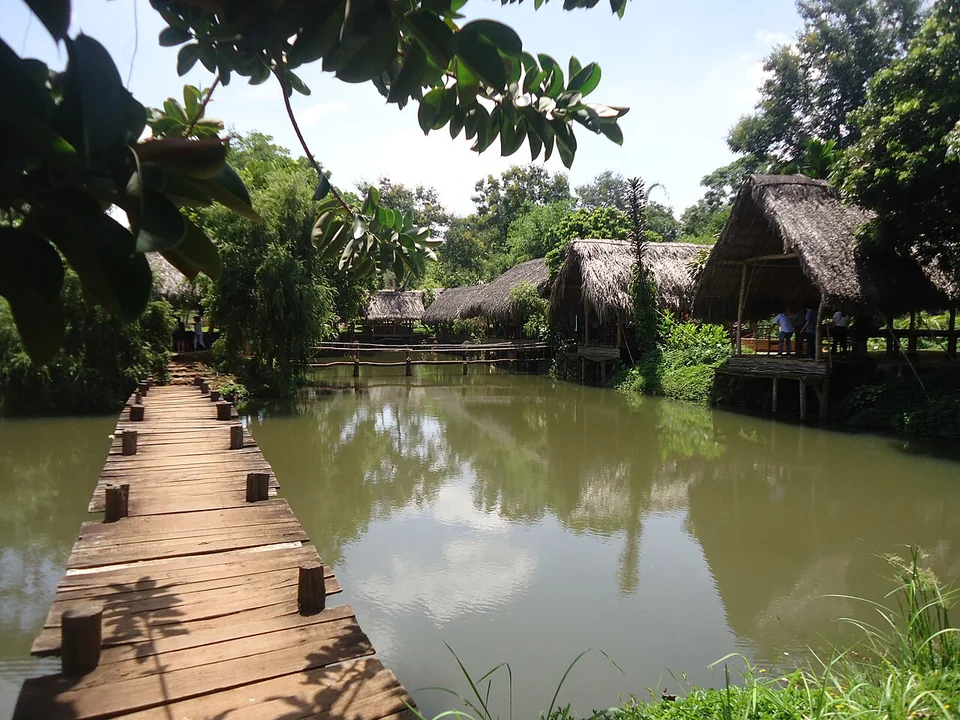

Ako Dhong: a living Ede village within Buon Ma Thuot
Begin with a slow look along the public approach: how do entrances, garden space and the length of a house differ from the street you arrived on? The contrast is a useful introduction to Ede architecture without requiring you to enter every building. Community-tourism reporting documents both preserved longhouses and houses restored or built for hospitality. Those categories can sit beside each other. A newer building need not be dismissed as meaningless, but its age and use should not be invented from appearance. Ask which house belongs to a household, which welcomes customers and what the resident wants visitors to understand about it.
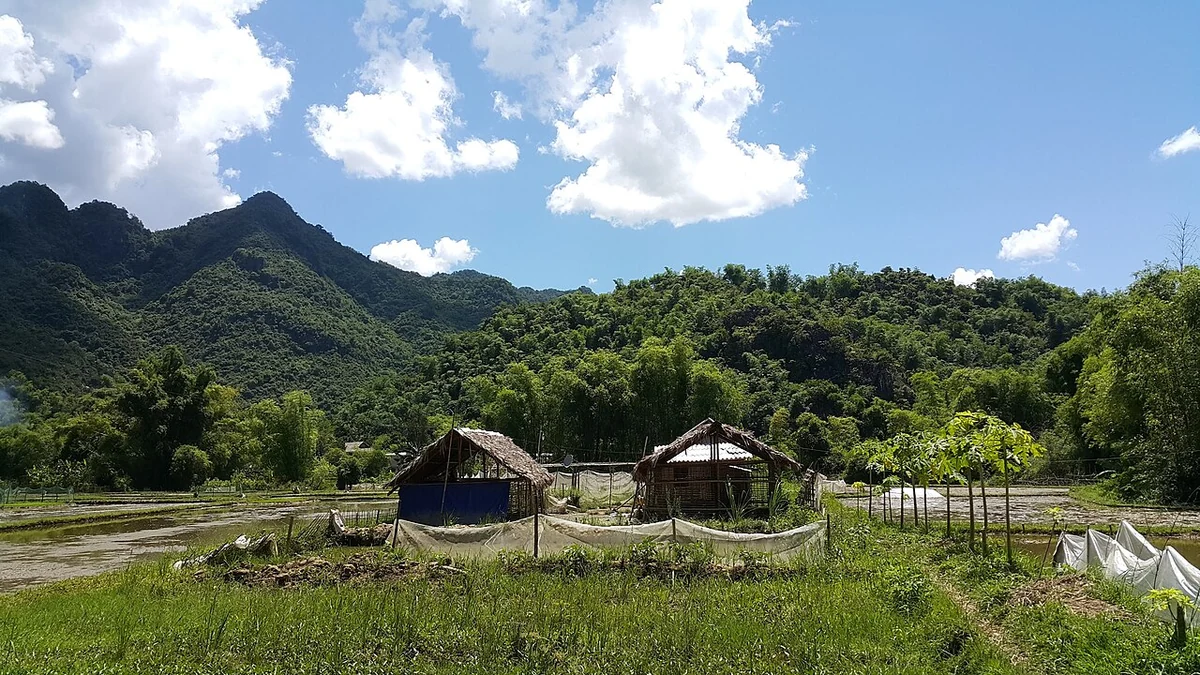

Lac village, Mai Chau: look beyond the souvenir street
National rural-tourism coverage describes Lac as a Thai community with a long history of receiving visitors. That history helps explain why the approach can contain accommodation signs, fabric displays and group meals alongside everyday households. Tourism is part of the contemporary landscape, not evidence that the village has somehow ceased to be real. Instead of rating authenticity by how few travellers you see, look at how people use buildings and share space. A family may live upstairs while trading or hosting below; another may offer a room in a newer extension. These arrangements are not interchangeable, and a decorative facade does not identify the age or construction of the room you will sleep in. Ask your host what belongs to the household and what has been adapted for guests.
Choose the experience that fits
| Choice | What to consider |
|---|---|
| Ako Dhong | Ako Dhong: retain the Ede context in Buon Ma Thuot and locally explained house terms. |
| Lac | Lac: retain the Thai context in Mai Chau; one appointment permits no unrestricted entry to homes. |
| For an encounter | For an encounter: state your interest and ask who agrees to share. Do not rank authenticity or infer every family’s life from a photograph. |
Ask VietnamGuide AI
Ask VietnamGuide AISources
- 1. nongthon.vietnamtourism.gov.vn/dak-lak-buon-ako-dhong-phat-trien-du-lich-cong-dong/
Source checked:
- 2. bvhttdl.gov.vn/Pages/chi-tiet.aspx
Source checked:
- 3. nongthon.vietnamtourism.gov.vn/nhung-diem-den-du-lich-cong-dong-hap-dan-o-huyen-mai-chau-hoa-binh/
Source checked:
- 4. vietnam.travel/things-to-do/7-essential-things-do-mai-chau
Source checked:
Explore more
- Yok Don and Cat Ba: dipterocarp forest or an island forest setting?
Choose by habitat interest rather than an animal tally. These destinations invite different forest questions.
- Dak Lak and Hoi An through objects: who made and used them?
A small object opens a larger story when you ask about community and function, not just appearance.
- Quang Ninh or Can Tho Museum: sea, coal or river life?
Choose by a question rather than a facade. These collections open different stories of work; start with what you want one object to explain.