Travel guide
Buon Don and Yok Don: one question for people, one for forest
Choose a cultural encounter or a forest-reading visit clearly, rather than merging two regional experiences.
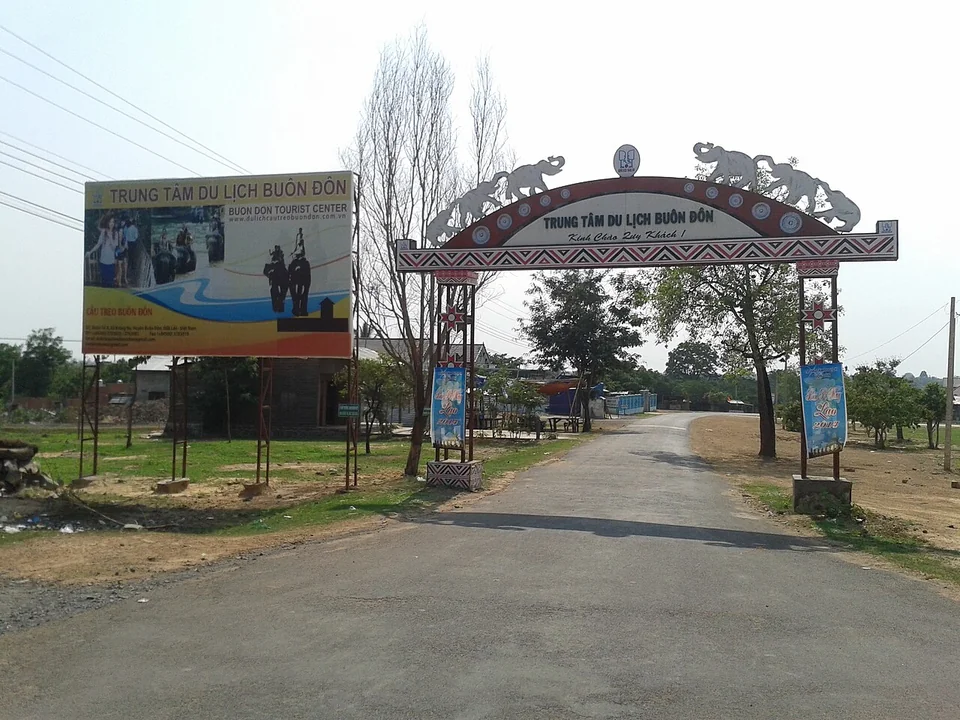

A perspective for your choice
Buon Don connects people with riverside memory; Yok Don opens an understanding of seasonal forest. Separating these purposes makes arrangements clearer and values both village stories and natural observation without requiring a promise of animal encounters.
Buon Don village: river heritage beyond the elephant photograph
Buon Don is best approached as a place with people and a layered history, not as a single attraction with one entrance ticket. River views, stories of elephant keepers and different visitor venues share the regional name. Decide what you want to understand before choosing where the driver should stop.
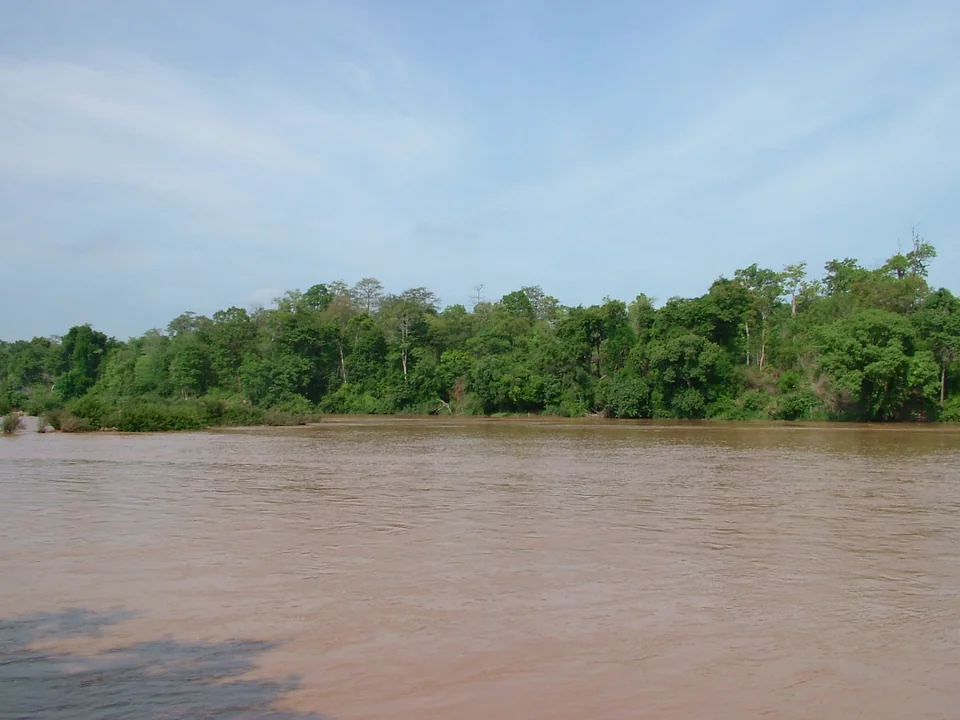

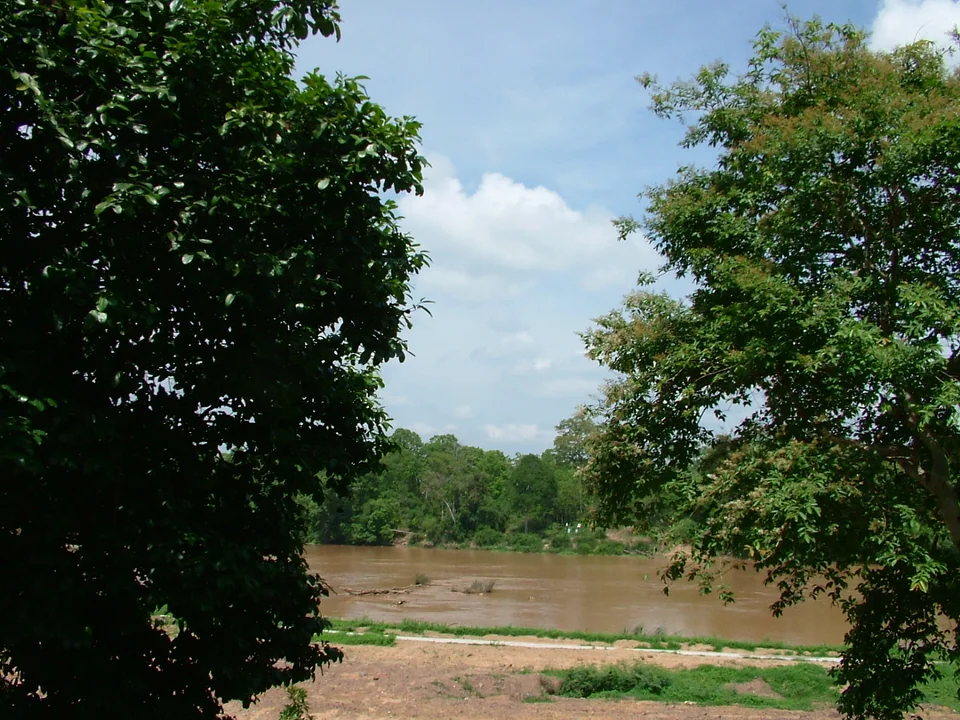

Yok Don National Park: learn to read an open forest
The first surprise at Yok Don can be the space between the trees. This is a place to learn how a seasonal forest works, rather than judge a national park by how dense and green it looks in a photograph. Give the visit one clear purpose and a guide enough time to reveal details that a hurried walk would miss.
Choose the experience that fits
| Choice | What to consider |
|---|---|
| Buon Don village: river heritage beyond the elephant photograph | The Srepok gives the area its geographical setting, but a riverbank or bridge visit should be judged on the conditions that day. Confirm which managed viewpoint or crossing is open, follow barriers and do not assume a photograph proves present access. Keep children close and avoid climbing outside railings to fit more water in the frame. Arrange lunch with a host or venue that has confirmed what it can serve; ask the total for the group rather than guessing from an old menu online. Leave a buffer for the drive back to Buon Ma Thuot. A well-paced visit can contain one interpreted heritage stop, a safe river view and a conversation over food without adding an elephant activity merely to make the itinerary sound complete. |
| Yok Don National Park: learn to read an open forest | Wear footwear you can walk in securely and carry water and weather protection appropriate to the day's advice. Keep your bag light enough that you can stand still comfortably and listen. Let the guide set wildlife viewing distance; do not leave the group in pursuit of movement or use calls to draw an animal closer. Record a few observations about shade, leaf shape or river vegetation rather than measuring success by a species count. At the end, ask how the tourism service supports guides and local livelihoods, and what changes the park is trying to make. Yok Don is most memorable when the forest becomes intelligible, not when an unlikely encounter has been promised as part of the ticket. |
| Try this | In your enquiry, separate what you want to hear from a host from what you want to observe with a forest guide. |
Ask VietnamGuide AI
Ask VietnamGuide AISources
- 1. csdl.vietnamtourism.gov.vn/dest/
Source checked:
- 2. daklak.gov.vn/-/cac-iem-tham-quan-du-lich
Source checked:
- 3. tour.yokdonnationalpark.vn/EN/yokdon-national-park.html
Source checked:
- 4. tour.yokdonnationalpark.vn/EN/Tours/Detail/5
Source checked:
Explore more
- Dak Lak beyond the display: take a question to a coffee garden
A museum offers regional context; a grower explains work happening among particular rows of trees.
- Dak Lak waterfalls with time to listen: Dray Sap and Gia Long
Add a waterfall for something different to notice, rather than neighbouring names on a map.
- Yok Don through open spaces: forest and the Srepok’s rhythm
Gaps between trees and broad river views are things to observe, not missing pieces of scenery.