Travel guide
Buon Ma Thuot from street corner to village lane: shared spaces
An urban junction and Ako Dhong reveal city rhythms alongside village life. Notice how people use paths to understand the present-day connection.
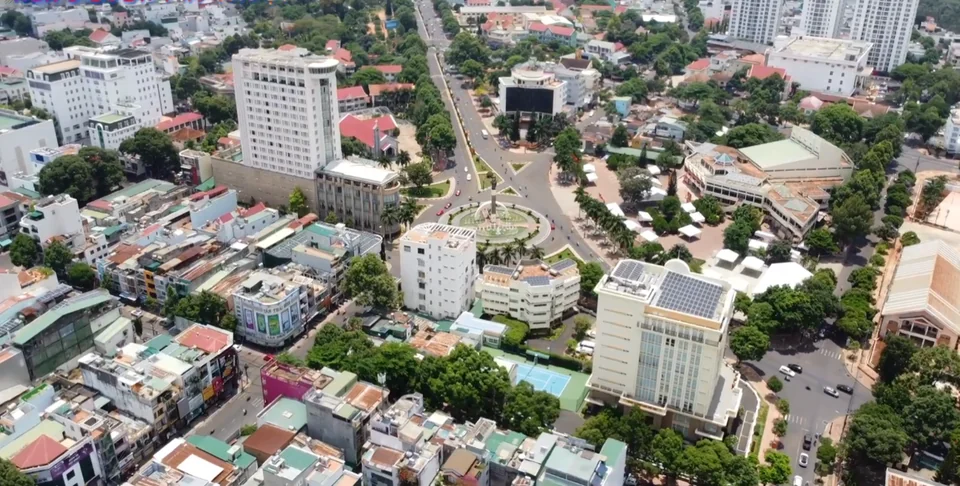

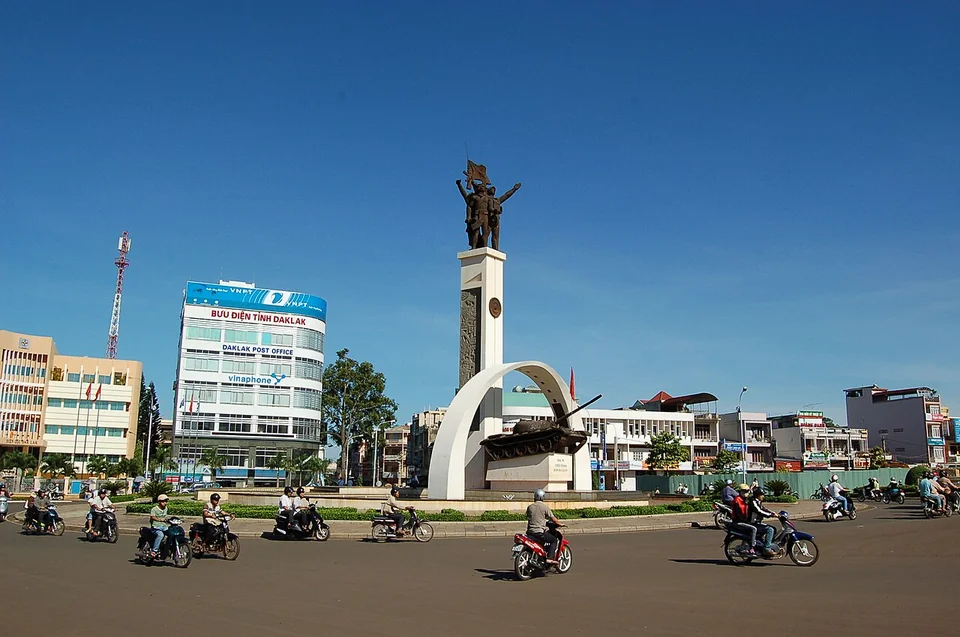

Buon Ma Thuot on foot: a city walk with room to look closely
At the central intersection, Buon Ma Thuot reveals itself in motion: motorbikes turning, people meeting, a monument rising above ordinary journeys. A rewarding city walk begins by slowing down enough to read that scene. Build a compact outing around the centre, then choose one extension according to your energy and the day’s conditions.
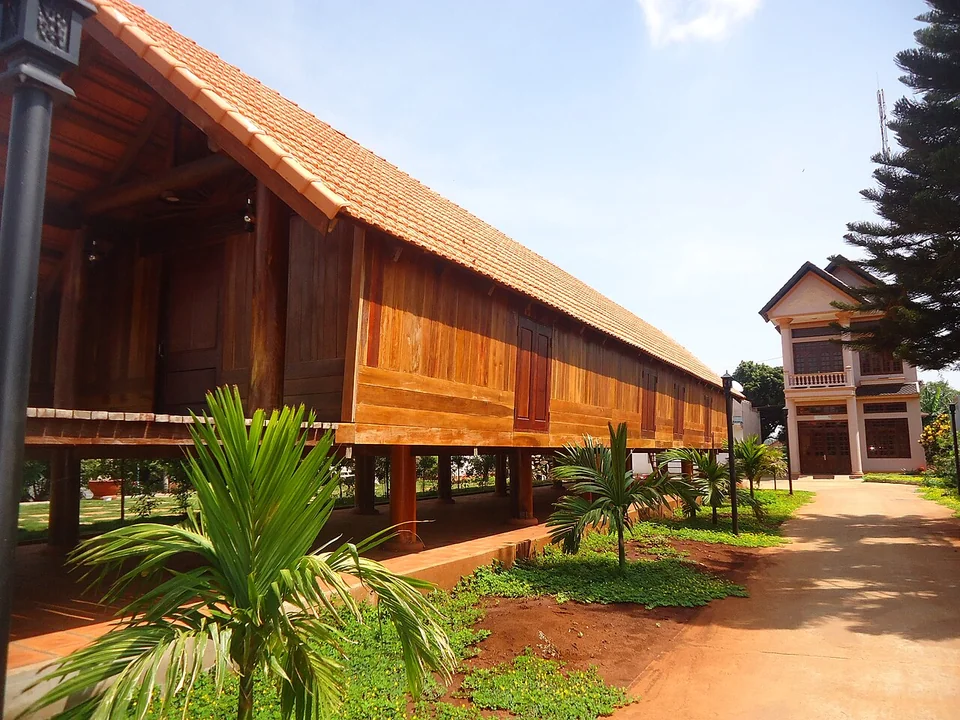

Ako Dhong: a living Ede village within Buon Ma Thuot
Ako Dhong is interesting because the city and the village are present together. Longhouse forms, gardens, everyday homes and visitor businesses share an urban setting. Rather than searching for a place untouched by change, look at how residents choose to keep, adapt and explain their cultural inheritance while continuing ordinary lives.
Choose the experience that fits
| Choice | What to consider |
|---|---|
| Buon Ma Thuot on foot: a city walk with room to look closely | Use marked crossing points where available and wait for a workable opportunity; do not step into the junction while studying your phone. Follow local signals and keep children beside you rather than dispersing for photographs. Pavements can require detours around parked vehicles or activity, so anyone with mobility needs should check the proposed stretch and retain a vehicle option. Carry water and protect against the day’s weather without loading yourself for a rural expedition. If the group is tired, finish at the agreed café or arrange a clearly named pickup instead of forcing a circular route back to the start. Before leaving, look again at the monument from the side you have reached and compare the scene with your first impression. The best result is a usable sense of the city’s centre, not a map filled with hurriedly visited pins. |
| Ako Dhong: a living Ede village within Buon Ma Thuot | Ako Dhong fits naturally with a city-based programme, especially after museum context, but leave enough space for an unhurried meeting. Confirm your drop-off and return point so that vehicles do not create unnecessary congestion in residential space. Ask about steps, seating and toilets if those affect your group. Before photographing people or recording a performance, ask permission and agree whether sharing the recording is acceptable. Do not promise a public online audience on somebody else’s behalf. The strongest memory is often a small explanation that makes a house or a daily practice intelligible, not a posed image collected without a conversation. |
| Try this | Observe from a safe pavement, then ask your host about a space they would like to introduce; let them choose what to share. |
Ask VietnamGuide AI
Ask VietnamGuide AISources
- 1. vpubnd.daklak.gov.vn/TaiLieu/Dak%20Lak_Bo%20Buu%20Thiep.pdf
Source checked:
- 2. daklakmuseum.vn/tin-tuc-su-kien/bai-viet/thong-bao-thay-doi-cong-vao-tham-quan-bao-tang-dak-lak-va-di-tich-lich-su-quoc-gia-biet-dien-bao-dai
Source checked:
- 3. vietnam.travel/things-to-do/7-reasons-explore-dak-lak
Source checked:
- 4. nongthon.vietnamtourism.gov.vn/dak-lak-buon-ako-dhong-phat-trien-du-lich-cong-dong/
Source checked:
- 5. bvhttdl.gov.vn/Pages/chi-tiet.aspx
Source checked:
Explore more
- Ninh Binh: Trang An’s cave entrance and Bich Dong’s temple levels
A boat journey and a separate temple visit offer different encounters with rock, shade and openings. Notice transitions to give each place its own rhythm.
- Ha Long: taste cha muc, then ask about maritime work
A meal brings seafood to the table; the museum opens working lives through objects and records. Carry curiosity between them while distinguishing their evidence.
- Chau Doc: choose your date by what you want at Sam Mountain
A major pilgrimage and a visit at another time offer different rhythms. Start with cultural learning or unhurried attention at individual stops.