Travel guide
One group, three interests: agree a shared anchor between museum, temple and riverfront
Start with a question rather than collecting every stop: One group, three interests: agree a shared anchor between museum, temple and riverfront. The perspectives below help choose what to understand; their reading order is not a continuous route or a promise of one ticket. Choose one main anchor before adding optional stops. If stamina, visibility or transport does not fit, omitting a stop is better than rushing through everything.
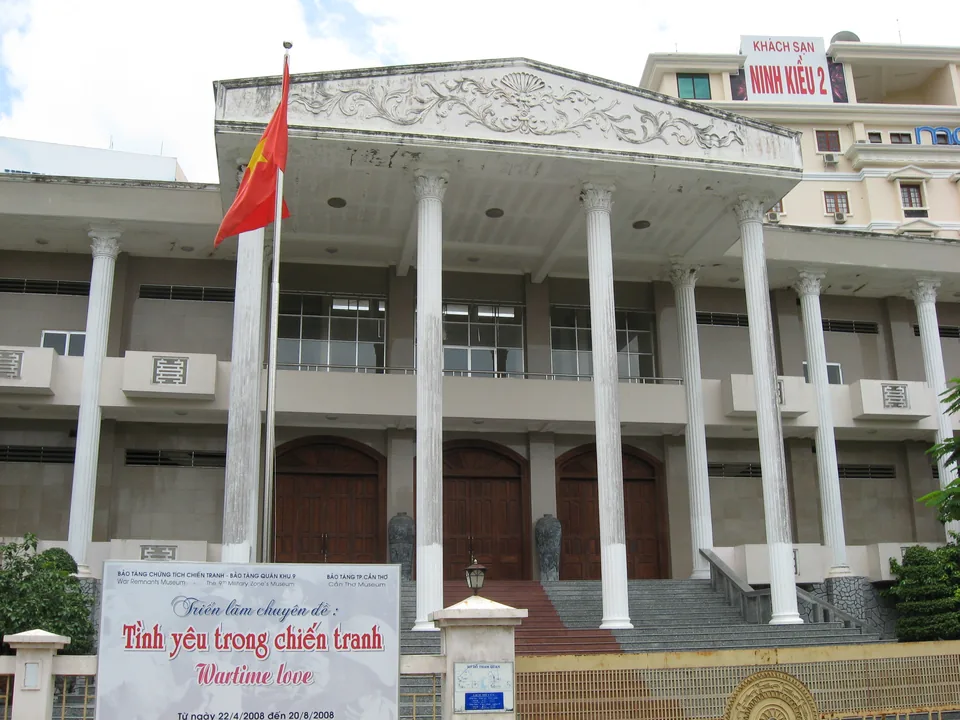

Can Tho Museum: put the river city into historical context
Start with the relationship between water, settlement and work. A tool, a household object or a picture of an earlier street can explain something a wide river photograph cannot. Choose a few objects that interest you and ask what problem each solved: transporting goods, producing food, organising a home or expressing belief.
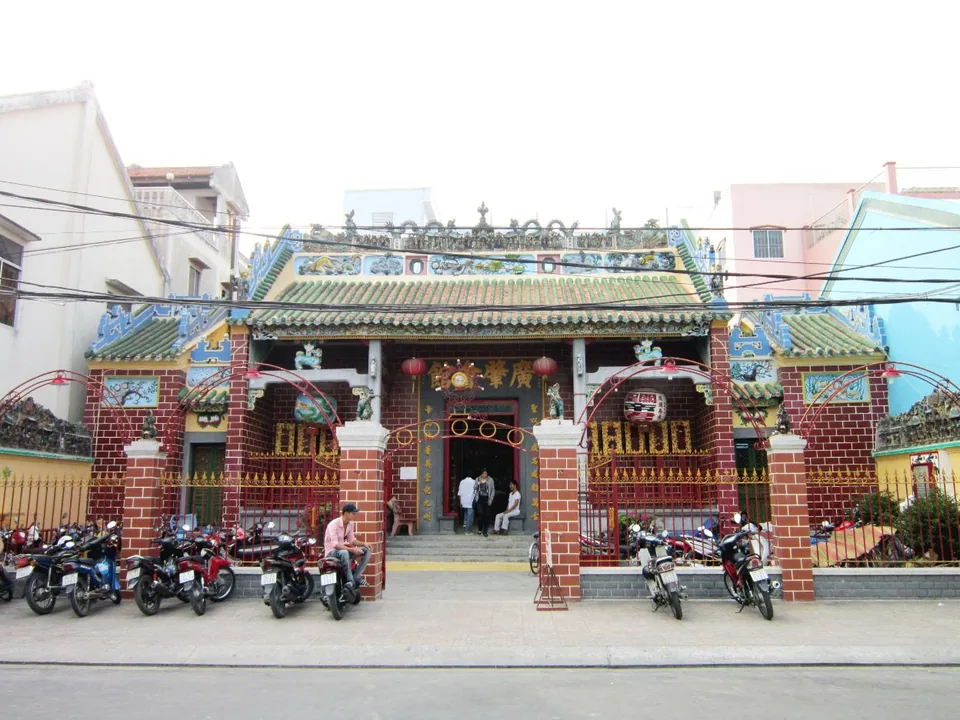

Ong Pagoda in Can Tho: a living Chinese community heritage
An assembly hall connects belief with the history of a community gathering in a trading city. The association with Quan Cong helps explain the familiar name Chua Ong. Rather than reading every shrine as interchangeable Buddhist decoration, pay attention to the names and explanations available on site; different figures and observances have their own meaning.
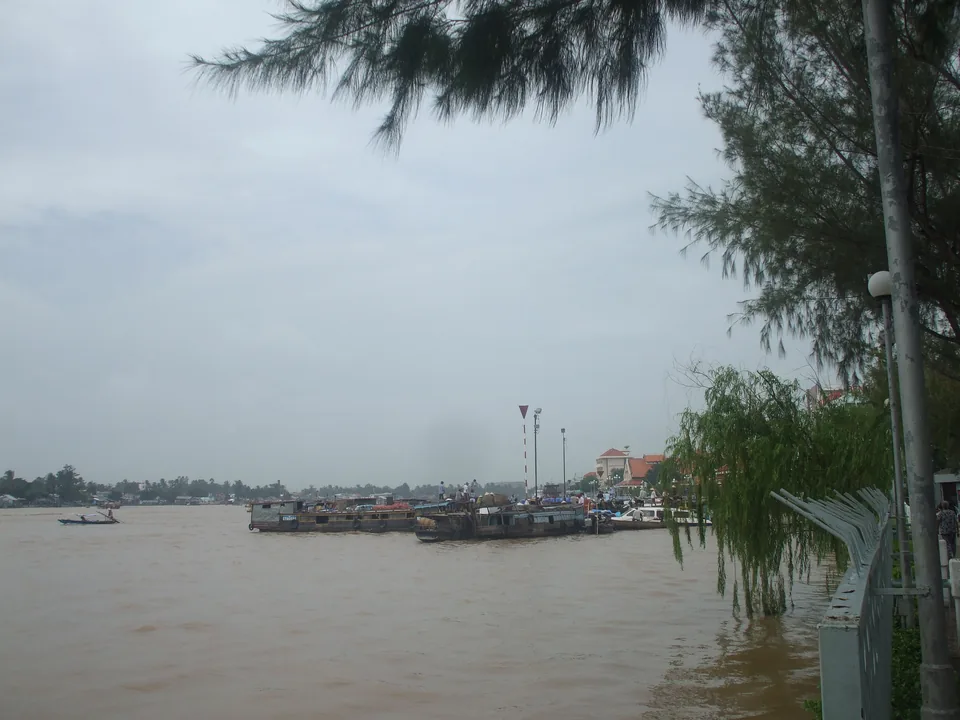

Ninh Kieu waterfront: a walk between river and city
Begin on the riverside section of Hai Ba Trung Street and orient yourself before following the promenade towards the pedestrian bridge. Look at the relationship between the park, landing places and the broad river view. Stay on public paths; a boat boarding area or restaurant frontage is not automatically an extension of the park.
Choose the experience that fits
| Choice | What to consider |
|---|---|
| Can Tho Museum: put the river city into historical context | Use this question to decide: One group, three interests: agree a shared anchor between museum, temple and riverfront. Check current opening arrangements before using the museum as a fixed rainy-day backup; a building can be indoors without being open throughout every day. Establish whether the areas you want are accessible and whether useful interpretation is available in a language you read. Photography rules and temporary displays may change, so follow the staff’s guidance and allow a quiet pause rather than trying to record every case. |
| Ong Pagoda in Can Tho: a living Chinese community heritage | The temple fits a Ninh Kieu walk without a separate river excursion. Check visitor access on arrival and follow any temporary restrictions during observances. A festival mentioned in an old article is not a promise of an event on your date. Keep the visit independent of shopping or donation pressure, and leave by the public entrance without cutting through private or staff spaces. |
| Ninh Kieu waterfront: a walk between river and city | Wear shoes that handle uneven or wet surfaces and keep young children away from unprotected river edges. Identify a convenient meeting point if your group splits between the bridge and cafes. Nearby Ong Pagoda can add a heritage stop when access permits; leave time for its worshippers rather than treating every doorway as a shortcut through the neighbourhood. |
Ask VietnamGuide AI
Ask VietnamGuide AISources
- 1. canthotourism.vn/vi/baotangcantho
Source checked:
- 2. canthotourism.vn/vi/detailnews/
Source checked:
- 3. canthotourism.vn/iv/chuaong
Source checked:
- 4. canthotourism.vn/iv/detailnews/
Source checked:
- 5. canthotourism.vn/vi/benninhkieu
Source checked:
- 6. vietnam.travel/things-to-do/can-tho-glimpse-river-and-garden
Source checked:
Explore more
- Listen to Can Tho: from displayed instruments to an evening by the river
Listen to Can Tho: from displayed instruments to an evening by the river — Compare perspectives, access conditions and a main visiting focus.
- Film location or literary association: distinguish two Mekong houses
Film location or literary association: distinguish two Mekong houses — Compare perspectives, access conditions and a main visiting focus.
- Tra Su, Tram Chim or Lung Ngoc Hoang: choose a wetland visit by habitat
Tra Su, Tram Chim or Lung Ngoc Hoang: choose a wetland visit by habitat — Compare perspectives, access conditions and a main visiting focus.