Travel guide
Dia Tren paper village: follow the making of giay ban
Dia Tren in Cao Bang is associated with giay ban, a handmade paper produced from the bark of the tree locally called may sla. Local tourism accounts describe its importance in spiritual life, giving a sheet a context beyond souvenir shopping. A visit becomes more rewarding when a maker explains how bark becomes usable paper and why a particular kind is needed. Leave time for that conversation rather than expecting a retail display.
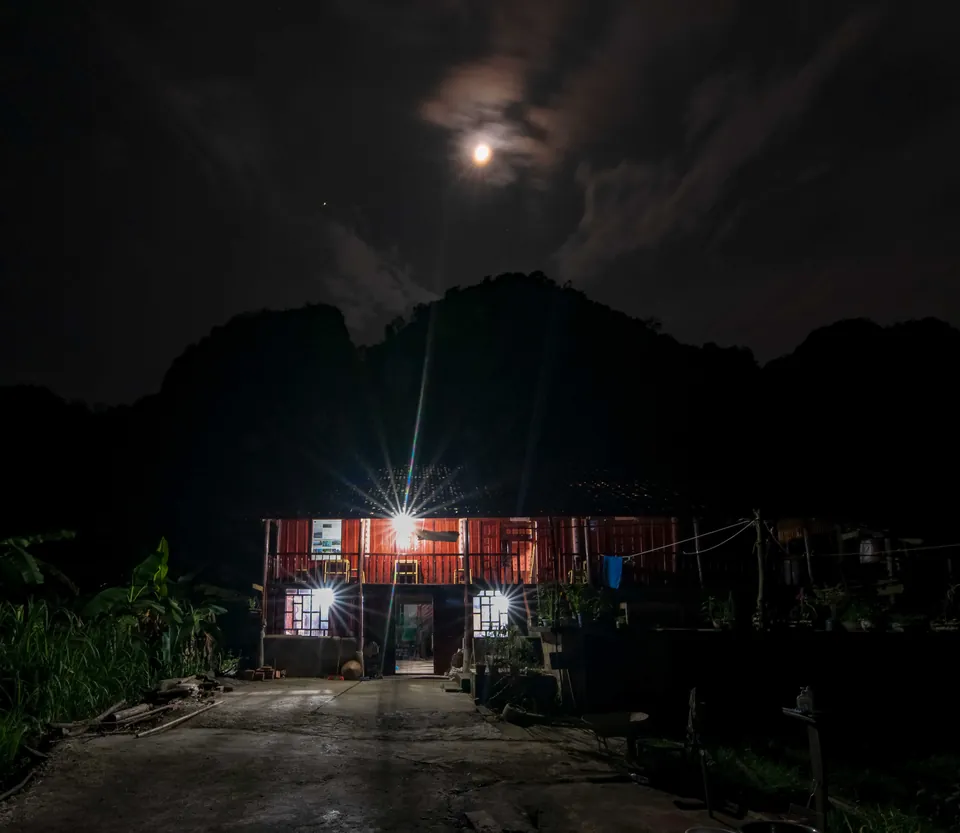
House in a village — Phja Thắp, Cao Bằng. Cao Bang context illustration; this is not a photograph establishing the attraction, dish, accommodation or service discussed in the article.
Rod Waddington from Kergunyah, Australia · CC BY-SA 2.0 · Resized and converted to WebP

Arrange the stages you can see
Ask a local guide or host to contact a receiving household and confirm the work planned for your date, interpretation and any demonstration fee. Paper production has several stages, and a short visit may catch only one. Do not expect a family to begin an entire batch for an unannounced arrival. A clear explanation beside existing materials can be as useful as a staged demonstration.
Follow the material through the process
Invite the maker to explain bark preparation, pulp, sheet forming and drying in the sequence used at their workshop. Compare the appearance of material at different stages and notice how an even sheet depends on controlled movement. Touch a mould or attempt a task only when invited and supervised. Do not collect bark or take raw material away as a free sample.
Respect a working household
Keep to the path your host identifies around wet floors, containers and tools. Keep children beside you and ask before photographing people at close range. Leave drying sheets where they are: lifting one can affect work that has already taken considerable time. If ritual objects are present, ask whether they may be discussed or viewed; do not open, move or rearrange them for a photograph.
Choose paper for its actual use
Ask who made the paper, what it is normally used for and how it should be packed. Not every sheet is intended for writing or printing. Carry purchases flat and protected from moisture, following the maker’s advice. Pay the agreed explanation or activity fee separately from shopping, and remember that careful listening supports a meaningful visit even when your luggage leaves little room for purchases.
Ask VietnamGuide AI
Ask VietnamGuide AISources
Explore more
- Ban Gioc Waterfall: choose a viewpoint and an unhurried visit
Plan a Vietnam-side visit to Ban Gioc with realistic water conditions, shore viewpoints and questions about optional raft trips.
- Nguom Ngao Cave: choose the right visitor route
Prepare for Nguom Ngao's managed cave walk, protect its formations and ask separately about any advertised extended route.
- Khuoi Ky stone village: architecture and considerate stays
Explore Tay stone stilt houses at Khuoi Ky, distinguish public lanes from private homes and agree homestay details with your host.