Travel guide
Dong Khe: read the opening battle of the 1950 Border Campaign
Dong Khe explains why a place on Route 4 mattered in the 1950 Border Campaign. This is a battlefield history visit that benefits from a map and interpretation rather than a race between commemorative markers. The present landscape also includes streets, traffic and ordinary life. Read those surroundings alongside the wartime story, allowing enough time to understand the relationships between places instead of expecting every feature to survive unchanged.
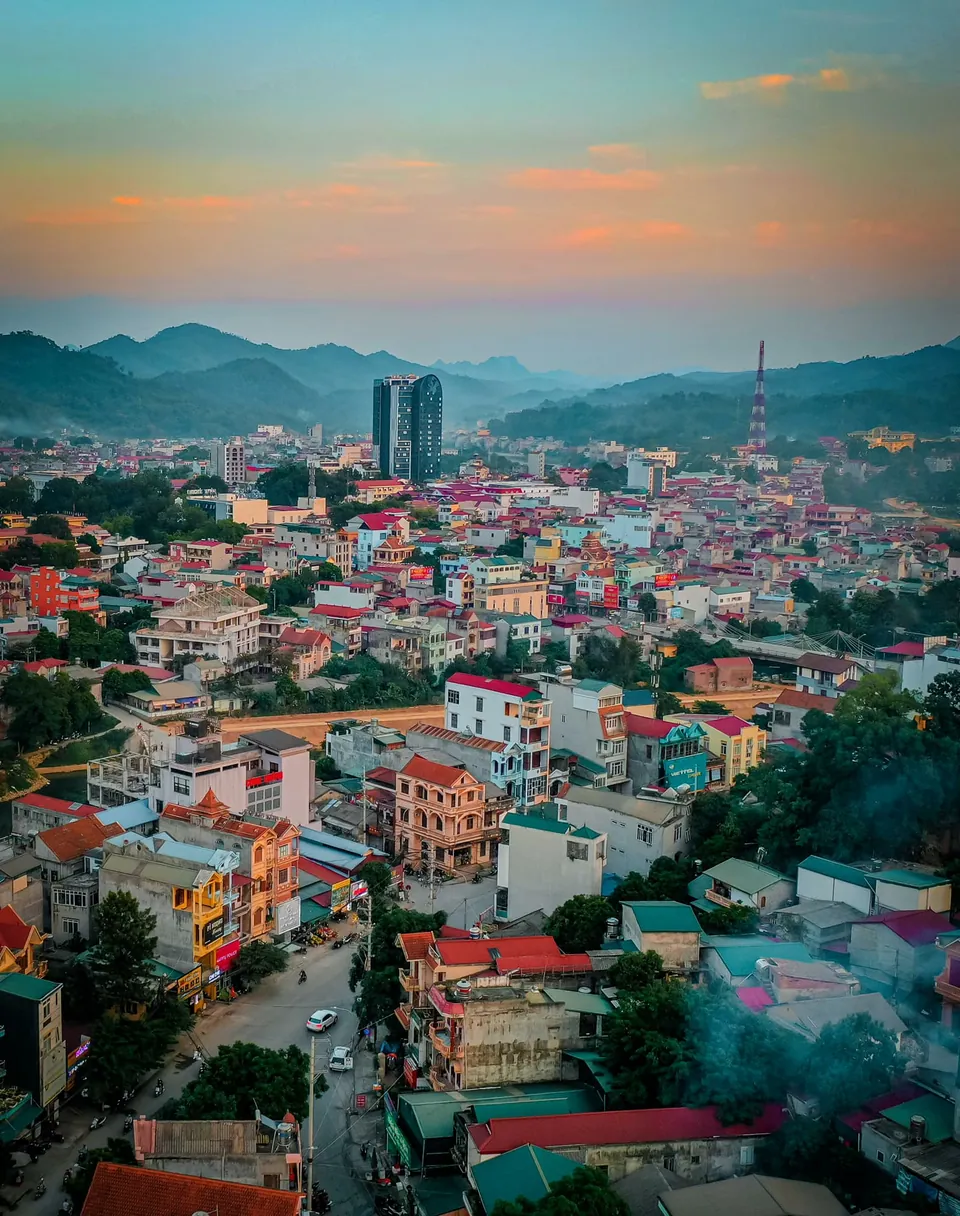
Urban landscape — Cao Bằng. Cao Bang context illustration; this is not a photograph establishing the attraction, dish, accommodation or service discussed in the article.
VietHung02092007 · CC BY-SA 4.0 · Resized and converted to WebP

Place the opening battle
The Dong Khe attack opened on 16 September 1950. When looking at a map, notice its position in the road network and its relationship to Cao Bang and That Khe. That setting clarifies the aim of disrupting the French border defence system without requiring you to memorize many unit names. Let the interpretation distinguish the battle at Dong Khe from the subsequent development of the wider campaign.
Separate battlefield and observation point
Bao Dong mountain is associated with President Ho Chi Minh observing the opening battle. That observation site is distinct from the Dong Khe strongpoints and commemorative structures. Seeing a summit marked on a map does not establish permission to walk up independently. Ask the managing organization which places receive visitors and which need a separate guide, vehicle arrangement or additional time.
Use interpretation to connect the traces
Where possible, arrange an interpreter who can explain the map, terrain and meaning of the surviving features. Ask which elements are original traces, reconstructions or later memorials. For a family visit, concentrate on one question: why did control of the road matter? This approach makes the story easier to understand than a dramatic retelling of combat, and it invites discussion about geography as well as military events.
Stay within the visitor area
Confirm reception arrangements, parking and the condition of paths before travelling; avoid building a tight timetable around old listings. Respect memorial areas, cemeteries and the surrounding residents. Historical relics are distinct from active border facilities: do not independently enter control zones, service roads or signed restricted areas. Photograph only where permitted, and ask staff when the status of a place or structure is unclear.
Ask VietnamGuide AI
Ask VietnamGuide AISources
Explore more
- Ban Gioc Waterfall: choose a viewpoint and an unhurried visit
Plan a Vietnam-side visit to Ban Gioc with realistic water conditions, shore viewpoints and questions about optional raft trips.
- Nguom Ngao Cave: choose the right visitor route
Prepare for Nguom Ngao's managed cave walk, protect its formations and ask separately about any advertised extended route.
- Khuoi Ky stone village: architecture and considerate stays
Explore Tay stone stilt houses at Khuoi Ky, distinguish public lanes from private homes and agree homestay details with your host.