Travel guide
King Le Temple: village space and historical memory
King Le Temple in Lang Den is dedicated to Le Thai To, also known as Le Loi. It opens a different historical layer of Cao Bang, bringing royal commemoration together with local worship and community memory. Arrive ready to hear the local account and notice the village setting, rather than expecting an intact royal palace. The value of the visit lies in understanding how a place continues to be remembered and used.
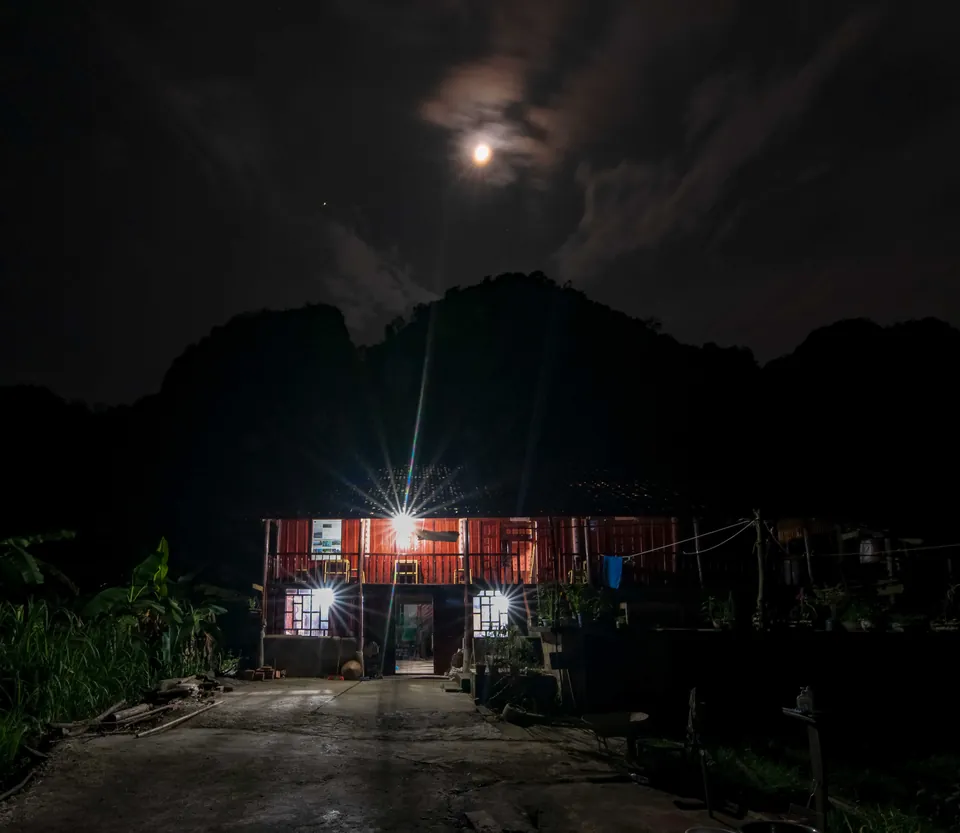
House in a village — Phja Thắp, Cao Bằng. Cao Bang context illustration; this is not a photograph establishing the attraction, dish, accommodation or service discussed in the article.
Rod Waddington from Kergunyah, Australia · CC BY-SA 2.0 · Resized and converted to WebP

Begin with the dedication
National tourism records identify the temple as a place of worship for Le Loi and place it within the Na Lu citadel heritage grouping. That relationship does not mean all structures visible today belong to one date. When hearing about changes of use or restoration, ask what comes from records, tradition and surviving architecture. A single confidently stated construction year is not necessary to understand the temple’s continuing role.
Read architecture through use
Observe the approach, courtyard and worship spaces from the areas where visitors are received. Notice how worshippers move and leave them personal space before taking photographs. Do not cross barriers, open closed doors or handle ritual objects in search of older details. An interpreter or caretaker may explain names and spatial arrangements more reliably than a visitor guessing from the appearance of a building.
Separate an ordinary day from festival day
The community festival is associated with wishes for favourable weather and good crops. The programme can change by year, so check the actual schedule if processions, folk games or performances are important to you. A quiet ordinary day can still be rewarding, but it will not necessarily reproduce activities described in earlier festival reports. Do not ask residents to reenact a ritual for a photograph.
Keep the visit flexible
Confirm the meeting location, opening arrangements and availability of interpretation before travelling. Ask about an appropriate approach for anyone with limited mobility rather than assuming the grounds have no steps. Modest clothing, a quiet voice and leaving the place clean are a sound beginning. Respect neighbouring homes, fields and paths, and extend the visit into a village walk only with suitable local direction.
Ask VietnamGuide AI
Ask VietnamGuide AISources
- 1. csdl.vietnamtourism.gov.vn/dest/
Source checked:
- 2. vietnamtourism.vn/index.php/tourism/items/2558
Source checked:
Explore more
- Ban Gioc Waterfall: choose a viewpoint and an unhurried visit
Plan a Vietnam-side visit to Ban Gioc with realistic water conditions, shore viewpoints and questions about optional raft trips.
- Nguom Ngao Cave: choose the right visitor route
Prepare for Nguom Ngao's managed cave walk, protect its formations and ask separately about any advertised extended route.
- Khuoi Ky stone village: architecture and considerate stays
Explore Tay stone stilt houses at Khuoi Ky, distinguish public lanes from private homes and agree homestay details with your host.