Travel guide
Phja Den miến dong: understand the starch noodle gift
Miến dong from Phja Den connects a dry food gift with a living craft in Cao Bang’s uplands. The noodles are associated with starch extracted from dong riềng, the edible canna plant, rather than ordinary rice flour. English labels sometimes use arrowroot loosely, so the Vietnamese ingredient name and the packet’s actual composition are more useful than a translated category alone. Local craft recognition does not automatically certify every packet carrying the place name.
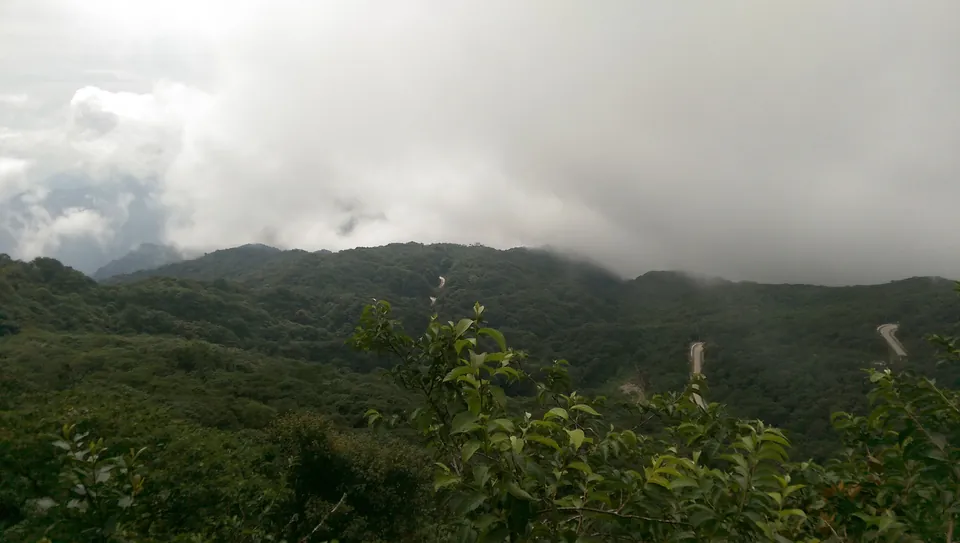
Forest and mountain view from Phia Oac — Phja Oắc, Cao Bằng. Cao Bang context illustration; this is not a photograph establishing the attraction, dish, accommodation or service discussed in the article.
Gió Đông (thảo luận) · CC BY 3.0 · Resized and converted to WebP

Connect the product to a maker
Ask who produced the noodles and where the processing took place. Look for a name and address that can be checked, rather than accepting a scenic picture as evidence of origin. Official rural tourism reporting has discussed misuse of the Phia Den name, which makes provenance questions worthwhile. If visiting a workshop, arrange permission and ask what production will actually be happening on that day.
Read ingredients without guessing from colour
Makers interviewed locally describe noodles made from red canna-root starch. Confirm the ingredient list of your chosen product, including any blend or additives. A darker strand does not by itself prove purity, and an attractive label does not establish organic status or a current certification. If a claim matters to the purchase, ask for information tied to that producer and product rather than applying it to the entire region.
Ask for the cooking method
These noodles are used in broth dishes and stir-fries, but preparation depends on strand thickness and the product. Ask whether soaking is needed and how the maker recommends cooking them. Do not assume that a method for rice noodles will give the same result. For a vegetarian meal, check the broth, sauce and cooking fat as well as the dry noodles themselves.
Pack a practical amount
Choose an intact, dry package with production and date information and follow its storage directions. Ask the net weight and agree the total price before buying several bundles. Protect the strands from crushing and moisture during travel. At home, keep the label until you have used the noodles; remembering the maker and cooking guidance is more useful than an unsupported promise about indefinite storage.
Ask VietnamGuide AI
Ask VietnamGuide AISources
- 1. nongthon.vietnamtourism.gov.vn/cong-nhan-lang-nghe-truyen-thong-mien-dong-phia-den-xa-thanh-cong-nguyen-binh-cao-bang/
Source checked:
- 2. baotintuc.vn/cao-bang-bao-ton-va-phat-huy-lang-nghe-truyen-thong-post1368501.html
Source checked:
- 3. mst.gov.vn/khoa-hoc-va-cong-nghe-tiep-suc-lang-nghe-mien-dong-huong-thao-moc-cao-bang-197260913210123196.htm
Source checked:
Explore more
- Ban Gioc Waterfall: choose a viewpoint and an unhurried visit
Plan a Vietnam-side visit to Ban Gioc with realistic water conditions, shore viewpoints and questions about optional raft trips.
- Nguom Ngao Cave: choose the right visitor route
Prepare for Nguom Ngao's managed cave walk, protect its formations and ask separately about any advertised extended route.
- Khuoi Ky stone village: architecture and considerate stays
Explore Tay stone stilt houses at Khuoi Ky, distinguish public lanes from private homes and agree homestay details with your host.