Travel guide
Kim Giao Forest: slow down before the Ngu Lam climb
Kim Giao Forest is often mentioned only as the first part of the Ngu Lam walk. Giving it attention changes the outing: instead of counting the remaining steps, you begin noticing the forest’s layers, the rock beneath your feet and the difference between a place name and an individual tree identification. This is a useful choice for travellers who enjoy natural history as much as distant views.
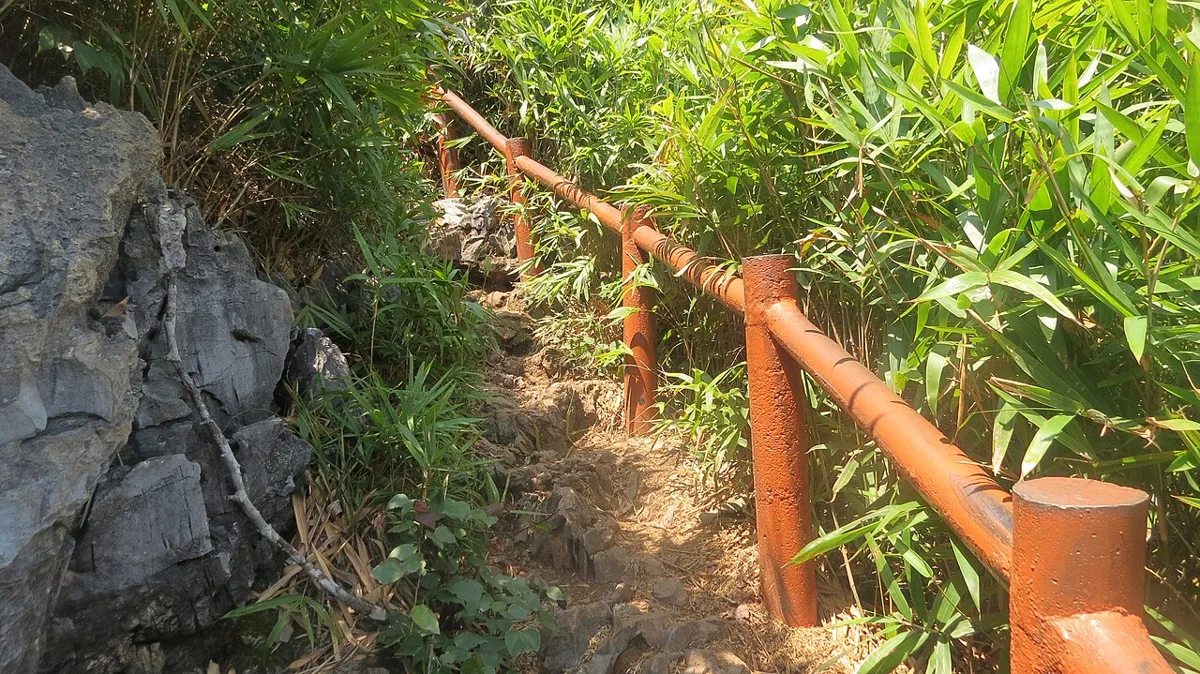

Ask what you are actually looking at
At the visitor centre, ask how the Kim Giao section is marked and whether an interpretive walk or suitable guide is available. A forest name does not mean every tree beside the path belongs to that species. Use labels or a knowledgeable guide to distinguish trees, and accept an uncertain identification rather than turning a guess into a fact. Local stories associated with the forest can enrich a visit, but they should be presented as stories rather than evidence of a plant’s medicinal or other powers.
Read the forest in layers
Choose a permitted stopping place and look from the canopy down to trunks, roots and leaf litter. Notice how exposed limestone and small pockets of soil shape the vegetation you can see from the trail. Try comparing a sunlit opening with a shaded section without leaving the path. Photographs of roots and foliage can tell a more specific story than another wide landscape image. Avoid moving branches or turning over rocks simply to create a cleaner photograph or reveal a small animal.
Make a quiet observation stop
Walk slowly enough to notice changes in bird calls, insects and the movement of leaves, but do not interpret every sound as a rare animal. A short pause gives wildlife time to resume normal activity after a noisy group passes. Keep snacks packed, take all rubbish back and do not feed animals. If you use binoculars, look from a stable position clear of the walking line. A nature notebook can record colours, sounds and questions without requiring a confirmed species list.
Decide separately about the summit
Enjoying the Kim Giao section does not oblige you to continue to Ngu Lam. Ask staff about the approved return option and current trail conditions, especially after rain. If some of your group want a slower forest visit, agree the plan before separating and do not leave inexperienced walkers waiting at an unconfirmed junction. Arrange a return pickup that fits the route you actually choose. The success of this visit is attention to the forest, not the height reached at the end.
Ask VietnamGuide AI
Ask VietnamGuide AISources
Explore more
- Lan Ha Bay day cruise: choose the route, not the longest checklist
Compare Cat Ba day cruises by boarding pier, usable time on the water, village stops, included services and the activities confirmed for your departure.
- An overnight Lan Ha cruise: read the hours behind the two-day label
Check embarkation, cabin arrangements, excursion transfers and the real second-day schedule before booking an overnight cruise through Lan Ha Bay.
- Lan Ha or Ha Long: choose the bay through your starting point
Compare Lan Ha and Ha Long by embarkation, shore visits, onward travel and the cruise itinerary rather than a blanket promise of fewer crowds.