Travel guide
Responsible travel in Lan Ha: support the places behind the view
Lan Ha is a place of overlapping uses: visitors come for limestone scenery, residents live and work around the water, and the wider Cat Ba landscape contains protected ecological values. UNESCO recognition is a reason to pay closer attention, not a label that makes every advertised activity harmless. A responsible visit begins with ordinary choices that are visible in how a trip is run.
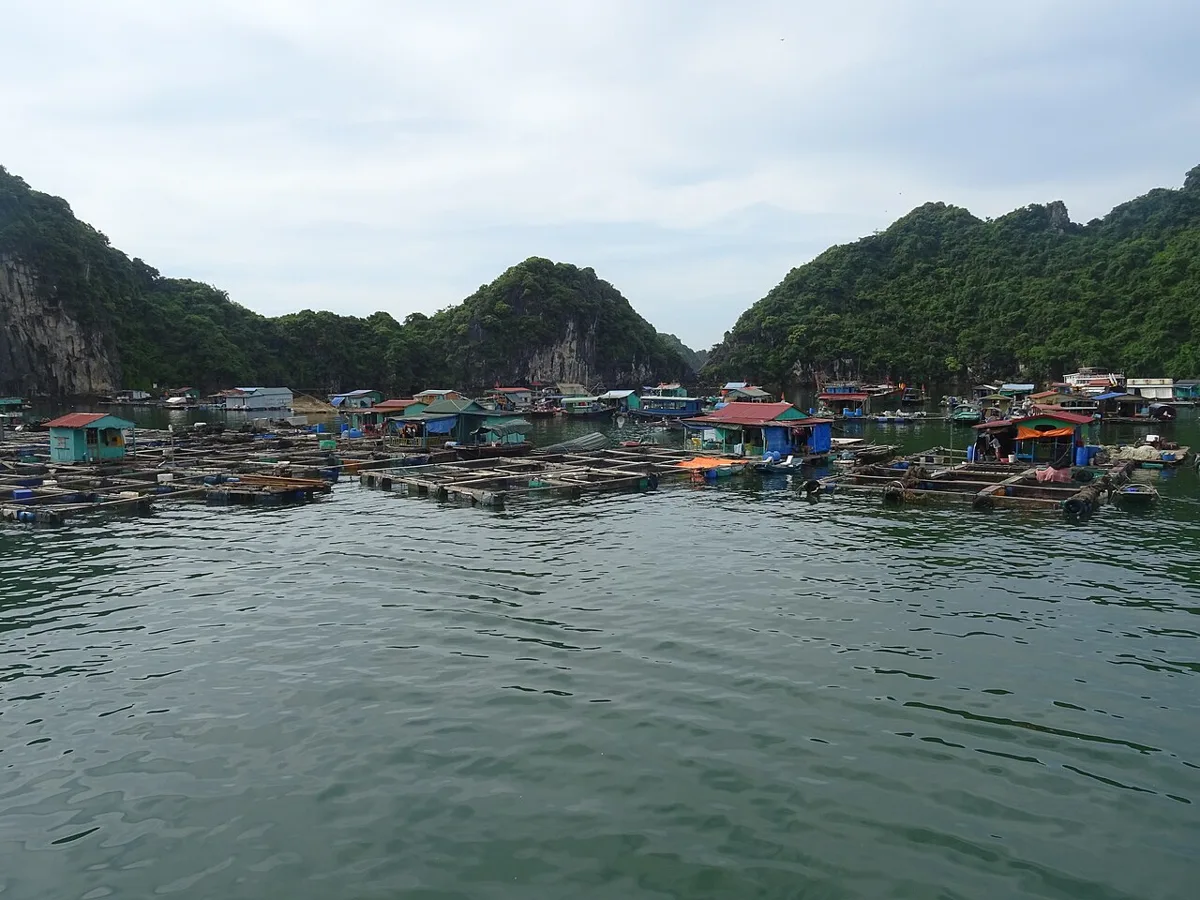

Look for an operator who explains limits
The UNESCO property combines Ha Long Bay and Cat Ba Archipelago; its value is larger than a single attractive anchorage. Ask a prospective operator what route is currently permitted, how changes are communicated and how staff explain site rules. The kayak information checked for this guide shows why those questions matter: one operator reports a continuing suspension and rowing-boat alternatives while another still advertises self-paddling. Do not pressure a guide to deliver an activity merely because an old advertisement mentions it. Reward a clear explanation and an appropriate substitute over an implausible promise of access everywhere.
Treat floating homes as inhabited places
Cai Beo is described in the national tourism database as a floating settlement, not a set built for visitors. Distinguish a scenic passage from an invited household or aquaculture visit. Keep cameras from intruding into private spaces and obtain consent for close portraits. Use an agreed local guide or service when it adds genuine interpretation, and ask the price and inclusions before ordering food or another activity. A respectful exchange does not require residents to perform a romantic version of their lives or to accept an unplanned group on a working walkway.
Plan waste before the first stop
Carry a refillable container where practical and ask the boat how drinking water is supplied, rather than buying a stack of small bottles on the assumption there will be no alternative. Keep food wrappers, tissues and wet items contained so that wind cannot carry them off the deck. Bring waste back to the operator’s collection point or shore, and ask where it is handled instead of leaving it beside an overflowing bin. These choices are useful even when you cannot assess the entire waste system from a single cruise.
Observe the landscape without collecting it
Appreciate rock surfaces, vegetation and marine life in place. Do not remove shells, break formations, pick plants or feed animals to improve a photograph. Stay within the places the crew or local guide allows and avoid crowding a narrow landing for a posed picture. Quiet observation can reveal the way small boats use channels or how light changes an island’s outline without adding disturbance. Finally, share accurate descriptions after the trip: explain what you actually experienced and which conditions applied, rather than spreading a guaranteed wildlife sighting, a supposedly private beach or an outdated activity claim.
Ask VietnamGuide AI
Ask VietnamGuide AISources
- 1. whc.unesco.org/en/list/672/
Source checked:
- 2. csdl.vietnamtourism.gov.vn/dest/
Source checked:
- 3. www.indochinasails.com/en/blog/kayak-suspension-enhanced-bamboo-boat-experience-in-lan-ha-bay.html
Source checked:
Explore more
- Lan Ha Bay day cruise: choose the route, not the longest checklist
Compare Cat Ba day cruises by boarding pier, usable time on the water, village stops, included services and the activities confirmed for your departure.
- An overnight Lan Ha cruise: read the hours behind the two-day label
Check embarkation, cabin arrangements, excursion transfers and the real second-day schedule before booking an overnight cruise through Lan Ha Bay.
- Lan Ha or Ha Long: choose the bay through your starting point
Compare Lan Ha and Ha Long by embarkation, shore visits, onward travel and the cruise itinerary rather than a blanket promise of fewer crowds.