Travel guide
Phu Binh Camp7: distinguish Con Dao’s later tiger-cage complex
Phu Binh, also known as Camp7, belongs to a later chapter of Con Dao’s prison history than the French-built tiger-cage area associated with Phu Tuong. The heritage custodian records its completion in1971 and a subsequent change to the name Phu Binh after the Paris Agreement. For visitors, that chronology helps explain why two sites carrying similar tiger-cage labels have different physical arrangements. Begin with the camp’s own name, period and plan rather than assuming it repeats an earlier installation.
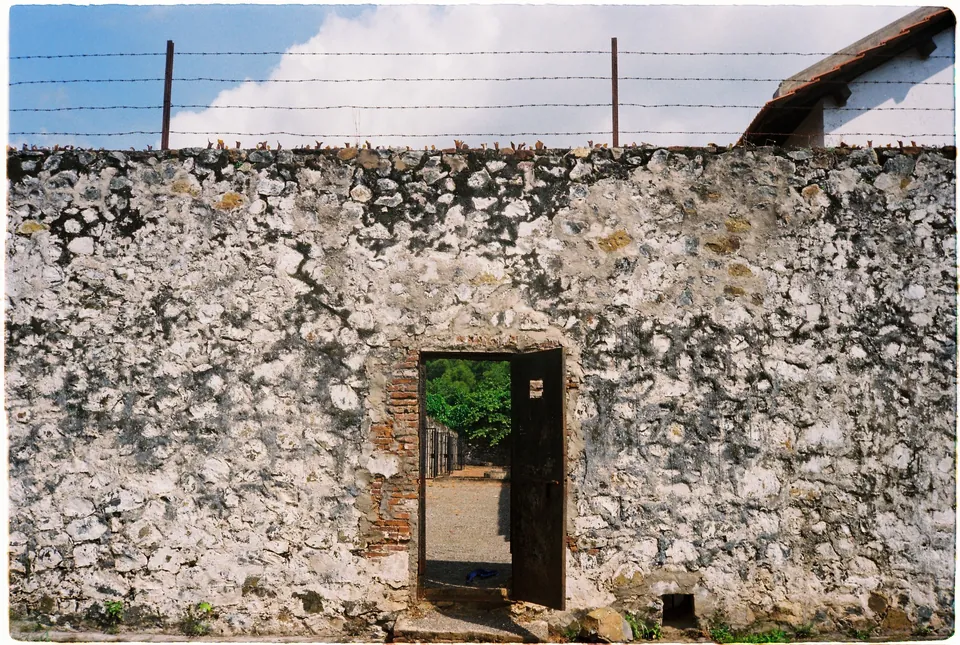
Prison relic — Côn Đảo. Regional reference photo from Con Dao; it does not document the specific site, dish, room or service discussed.
sephylmism · Pexels License · Resized and converted to WebP
Read a later form of isolation
The custodian describes groups of small isolated rooms arranged in several blocks. Their barred upper sections may recall the French cages, but there was no equivalent overhead passage for guards; a very low roof covered the rooms. This distinction changes how the site should be pictured and discussed. Examine the explanatory plan and the spaces visible from the permitted route. A photograph labelled simply “Con Dao tiger cages” loses much of the historical information contained in those differences.
Consider conditions beyond the bars
The official account describes the low roof, bare floor and inadequate sanitation as part of confinement. These are not incidental construction details: they help visitors consider heat, humidity and the loss of control over ordinary bodily needs. There is no need to recreate those conditions or seek entry into a closed room to appreciate their meaning. Read the interpretive material and ask how evidence about daily life was gathered, separating documented testimony from a reconstruction made to explain it to visitors.
Connect the camp with the island’s liberation
Phu Binh’s story also includes prisoners’ initiative as control of the island changed in1975. The custodian identifies Camp7 as a starting point for the prisoners’ actions that led to taking control of Con Dao on1May1975. That history offers an essential counterweight to a visit focused only on suffering. Ask which documents, accounts or displays explain communication and organisation among prisoners. Keep the island’s1May sequence distinct from the30April announcement on the mainland rather than compressing both into a single event.
Plan a visit that keeps the distinctions clear
When arranging a guide, specify Phu Binh or Camp7 and ask whether the itinerary also includes the French cages. Confirm present access and ticket coverage with the heritage management team; dated maintenance notices do not establish current opening conditions. Leave a pause between demanding sites, and give children the option to stop. Stay on the visitor route, avoid staged prison poses and use precise captions when sharing photographs. The strongest takeaway is an understanding of this particular camp’s architecture, chronology and human history, not a claim to have seen an interchangeable collection of cells.
Ask VietnamGuide AI
Ask VietnamGuide AISources
Explore more
- Dam Trau Beach: a relaxed shore visit near Con Dao Airport
Plan Dam Trau for its sandy bay, shade and airport-side setting, with realistic expectations about aircraft, facilities and changing sea conditions.
- Bai Nhat Beach: read the tide and enjoy Con Dao’s southern coast
Visit Bai Nhat for a changing ribbon of sand, a mountain-backed seascape and an unrushed coastal stop, with tide and return plans checked locally.
- An Hai Beach: an easy coastal pause beside Con Son town
Explore An Hai’s town-side sand, broad bay views and everyday waterfront atmosphere without mistaking the beach for An Hai Lake or a guaranteed swimming area.