Travel guide
The French tiger cages at Phu Tuong: read the architecture of confinement
The name “French tiger cages” refers to a particular disciplinary area within Con Dao’s prison landscape. It is associated with Phu Tuong, but neither that camp name nor the phrase tiger cages should be used for every cell on the island. The official site description dates the cage area to1940 and explains how its small connecting passages helped conceal it. Understanding that arrangement is more valuable than treating the place as a collection of frightening scenes.
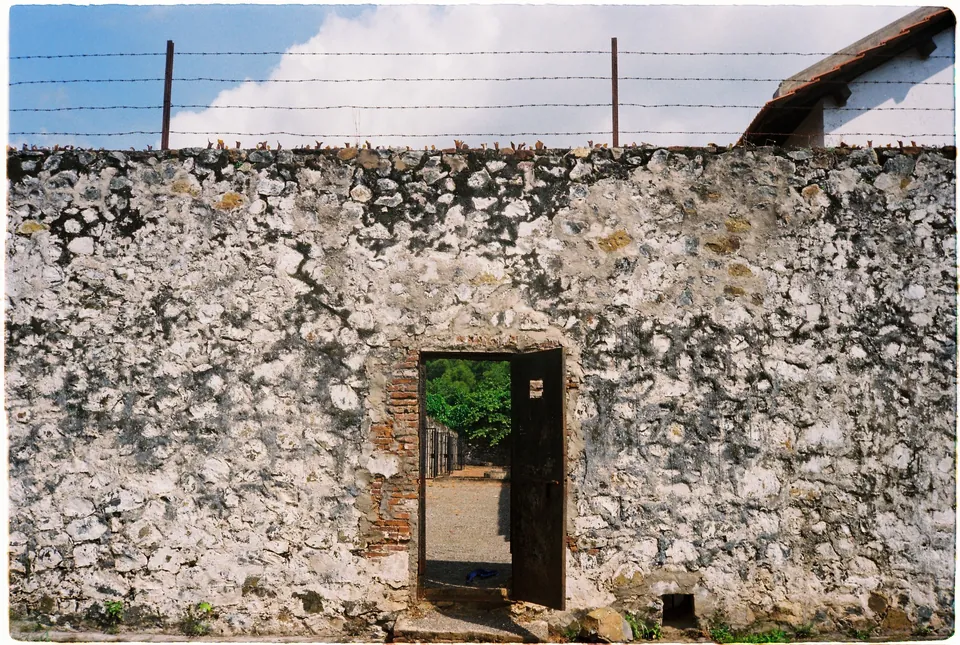
Prison relic — Côn Đảo. Regional reference photo from Con Dao; it does not document the specific site, dish, room or service discussed.
sephylmism · Pexels License · Resized and converted to WebP
Identify a concealed disciplinary area
The published account describes connections to Phu Tuong and Phu Tho rather than an ordinary principal entrance. This matters because isolation was not only a condition inside a cell: the position of the area made it difficult for people outside to know what was happening. Ask a guide to locate the historical connections on a plan and distinguish them from today’s visitor access. Do not try to retrace closed passages. The present route is a way to interpret the site, not an invitation to explore every historical opening.
Understand the view from above
The defining arrangement includes barred cell tops with a passage used by guards above them. The official description also distinguishes open-air cells facing the cage blocks. Read these differences in terms of exposure, surveillance and the inability of prisoners to control their surroundings. The term “French” identifies the origins of this installation; it does not mean its use ended automatically with French rule. Avoid collapsing the longer history into one simple national label, and ask about later use when looking at the chronology.
Separate this place from Phu Binh
Con Dao also has a later complex commonly called the American tiger cages at Phu Binh, or Camp7. Similar visitor labels do not make the architecture identical. Compare the overhead guard passage here with the later low-roofed arrangement described at Phu Binh. If time or emotional capacity is limited, you can examine one place carefully rather than seeing both in quick succession. Write each name beside your photographs so that your own captions do not reproduce the confusion found in loosely labelled travel galleries.
Visit without turning suffering into spectacle
Follow the indicated route, read the explanation around reconstructed figures and leave space for people listening quietly. Avoid posing as a prisoner, touching restraints or staging a punishment scene. For children, explain the subject beforehand and allow an early exit from demanding displays. Check current admission, guiding language and any maintenance restrictions with the custodian; no old account confirms today’s access to a particular passage. A pause afterward helps connect what you saw with the lives and resistance of the people held here, rather than only the methods used against them.
Ask VietnamGuide AI
Ask VietnamGuide AISources
Explore more
- Dam Trau Beach: a relaxed shore visit near Con Dao Airport
Plan Dam Trau for its sandy bay, shade and airport-side setting, with realistic expectations about aircraft, facilities and changing sea conditions.
- Bai Nhat Beach: read the tide and enjoy Con Dao’s southern coast
Visit Bai Nhat for a changing ribbon of sand, a mountain-backed seascape and an unrushed coastal stop, with tide and return plans checked locally.
- An Hai Beach: an easy coastal pause beside Con Son town
Explore An Hai’s town-side sand, broad bay views and everyday waterfront atmosphere without mistaking the beach for An Hai Lake or a guaranteed swimming area.