Travel guide
Pier 914: forced labour, remembrance and Con Son’s waterfront
Pier 914 projects into Con Son Bay from the central waterfront, close to the former Governor’s House. The sea view is immediately attractive, but the pier belongs to Con Dao’s history of imprisonment and forced labour. Its name commemorates people who died during its construction. Official descriptions use differing language around the number, including estimates and symbolic remembrance. A careful visit recognises that meaning without presenting 914 as a fully verified individual death register or turning suffering into a dramatic photo caption.
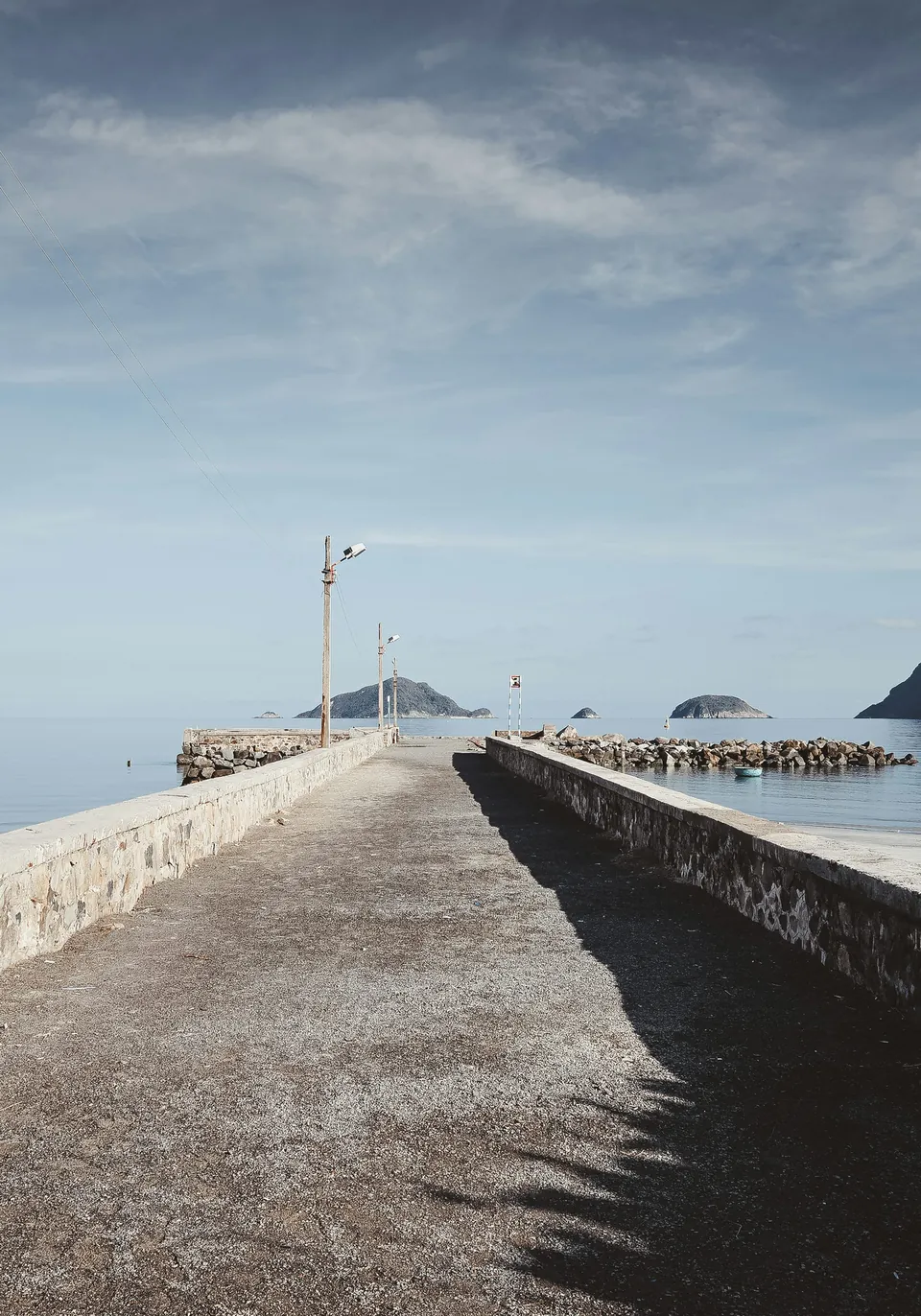
Stone pier, exact identity unverified — Côn Sơn, Côn Đảo. Regional reference photo from Con Dao; it does not document the specific site, dish, room or service discussed.
Tony Pham · Unsplash License · Resized and converted to WebP
Understand the name before taking photographs
Read the interpretation at the site and ask a qualified guide how the pier served the prison island. Keep the distinction between the commemorative name and evidence for an exact total of deaths. If you write about your visit, attribute historical statements and avoid adding dates, construction details or personal stories that you have not verified. The structure can prompt questions about forced labour and transport without requiring an invented narrative about every stone or a particular prisoner.
Observe from the permitted visitor space
Use established access and follow barriers or staff instructions. Do not climb on the monument, descend toward wet edges or assume the waterfront is a safe swimming or boat-boarding place. Wind, spray and changing conditions can affect how comfortable the stop feels. Keep a child close and choose a stable place for photographs without backing toward an edge. The purpose of looking at the pier’s relationship to the bay does not require going onto any restricted or exposed surface.
Combine nearby history without rushing
The Governor’s House offers an administrative counterpart to the pier’s transport and labour story. The museum can add background before you continue to a specific prison compound. Choose a small number of stops and confirm their present admission arrangements rather than assuming one old tour description covers everything. A quiet pause at the waterfront can be part of the visit, but leave enough time to read the signs and understand why this particular pier is remembered.
Respect memorial practice and the shoreline
Keep clothing and behaviour appropriate for a memorial setting, and avoid posing as though reenacting a prisoner’s suffering. Give people space if they are remembering relatives or participating in a ceremony. Follow posted rules for incense and offerings; do not burn votive paper or leave plastic and packaging behind. Photography should not interrupt remembrance. Afterward, check that your travel notes describe both the bay’s present appearance and the historical labour that gives this waterfront structure its significance.
Ask VietnamGuide AI
Ask VietnamGuide AISources
Explore more
- Dam Trau Beach: a relaxed shore visit near Con Dao Airport
Plan Dam Trau for its sandy bay, shade and airport-side setting, with realistic expectations about aircraft, facilities and changing sea conditions.
- Bai Nhat Beach: read the tide and enjoy Con Dao’s southern coast
Visit Bai Nhat for a changing ribbon of sand, a mountain-backed seascape and an unrushed coastal stop, with tide and return plans checked locally.
- An Hai Beach: an easy coastal pause beside Con Son town
Explore An Hai’s town-side sand, broad bay views and everyday waterfront atmosphere without mistaking the beach for An Hai Lake or a guaranteed swimming area.