Travel guide
Buon Don village: river heritage beyond the elephant photograph
Buon Don is best approached as a place with people and a layered history, not as a single attraction with one entrance ticket. River views, stories of elephant keepers and different visitor venues share the regional name. Decide what you want to understand before choosing where the driver should stop.
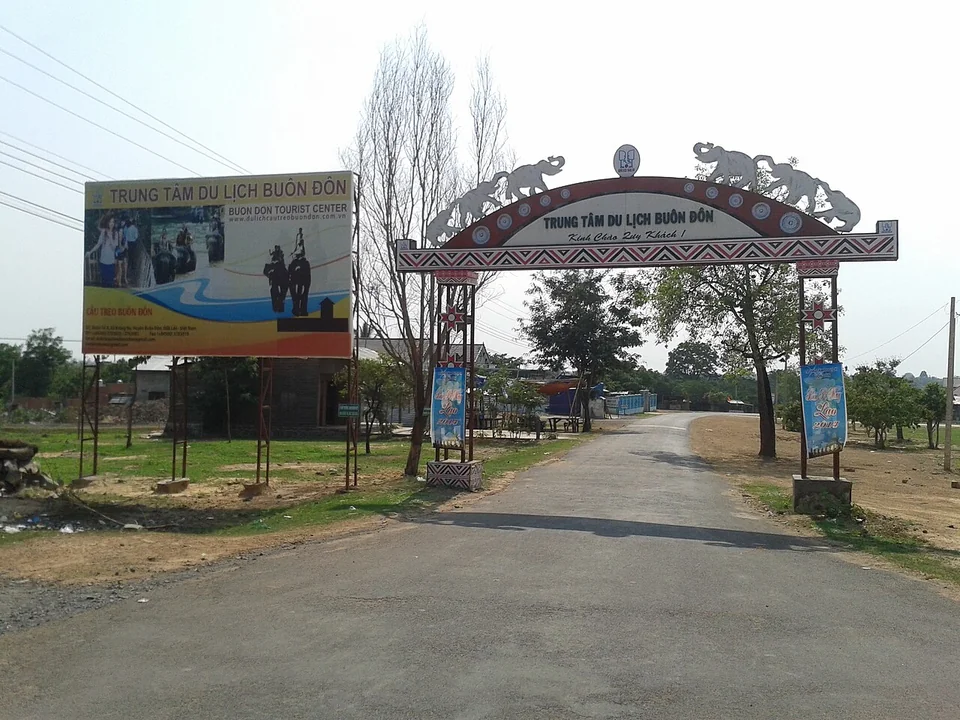

Start with a precise place and host
Ask your accommodation or guide to name the actual village stop or business, send its location and explain who will receive you. Buon Don, sometimes rendered Ban Don in tourism material, can refer to a wider area as well as particular visitor sites. Yok Don National Park has a separate tourism service and is not simply another room inside a village attraction. A bridge venue, heritage house and guided community visit may each have their own access conditions. Before buying a package, list which of these is included and how much time is allocated. A clear meeting point and a person expecting you are worth more than a description that promises every regional highlight without identifying the host.
Read elephant heritage as history
The national tourism database associates Khunjunob's memorial with Buon Don's elephant-catching and training history. The important visitor question is how that history is understood today, not how to repeat it. A local interpreter can help distinguish remembered events, community accounts and stories told for visitors. Do not expect every resident to share one ethnic identity or the same view of elephant tourism. Ask open questions about river trade, households and changes in livelihoods as well as elephants. This gives the place a life beyond a famous individual. An old photograph or trapping implement can be explained as historical evidence without turning an activity from the past into a recommendation for the present.
Visit homes and memorials with permission
Confirm whether a house is operating as a visitor venue or remains primarily a family home. An open gate does not make every room public. Ask where shoes should be removed, whether photography is welcome and which objects should not be touched. At a memorial, follow local instructions about movement and photographs instead of treating carved details as props. If you want an extended explanation, agree the guide's time and fee beforehand; a shop purchase does not automatically pay for an hour of interpretation. Travel in a small group where possible and keep doorways clear for residents. The aim is an encounter a host has chosen to offer, not access obtained by arriving with a camera and assuming hospitality.
Leave room for the river and a local meal
The Srepok gives the area its geographical setting, but a riverbank or bridge visit should be judged on the conditions that day. Confirm which managed viewpoint or crossing is open, follow barriers and do not assume a photograph proves present access. Keep children close and avoid climbing outside railings to fit more water in the frame. Arrange lunch with a host or venue that has confirmed what it can serve; ask the total for the group rather than guessing from an old menu online. Leave a buffer for the drive back to Buon Ma Thuot. A well-paced visit can contain one interpreted heritage stop, a safe river view and a conversation over food without adding an elephant activity merely to make the itinerary sound complete.
Ask VietnamGuide AI
Ask VietnamGuide AISources
- 1. csdl.vietnamtourism.gov.vn/dest/
Source checked:
- 2. daklak.gov.vn/-/cac-iem-tham-quan-du-lich
Source checked:
Explore more
- Yok Don elephant observation: let the animals set the pace
Understand Yok Don’s observation model, ask the right booking questions and plan a forest outing without rides or promised close encounters.
- Birdwatching at Yok Don: give the forest a quiet morning
Arrange a guide-led bird outing at Yok Don, compare a specialist session with a general forest walk and prepare for patient observation without guaranteed species.
- Yok Don National Park: learn to read an open forest
Plan a guided Yok Don visit around dry dipterocarp forest, a realistic activity choice and clear booking questions rather than a wildlife checklist.