Travel guide
Choosing elephant tourism in Dak Lak: questions that change the booking
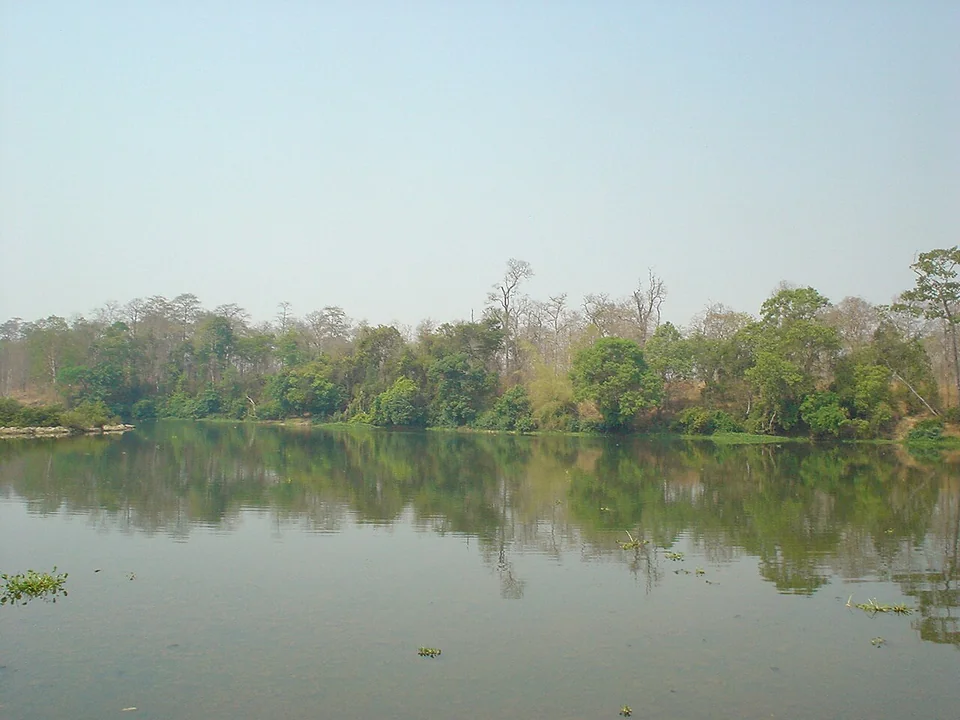
The word ethical on a booking page is a starting point for questions, not a conclusion. Dak Lak offers an opportunity to support a change in elephant tourism, but choosing well requires looking beyond a photograph of a forest. Read the activity as a sequence of things people and animals are expected to do.

Ask what happens during the encounter
Ask the seller to describe the outing from arrival to departure. Will visitors watch an elephant browsing, or will it be positioned, ridden, bathed, fed or made to perform for them? These are different interactions even when they are all advertised as experiences in nature. Animals Asia's work in Vietnam centres on moving away from riding and toward forest-based observation. Use that distinction as a practical test rather than arguing over a label. Request a written description and ask whether any close-contact element can be removed. If the answer is vague, or the main attraction is an image of a person sitting on or holding an elephant, look for a clearer observation-led option. A ticket should not buy control over the animal's movement.
Look for care and livelihood information
A responsible explanation should also address people. Ask who cares for the elephants, how former riding work is being replaced and which organisation manages the activity. The presence of a mahout or caretaker does not by itself invalidate an observation model; ongoing care can be part of an animal's life after years of work. Equally, a claim that an animal has been rescued does not prove the visitor activity supports good welfare. Look for specific information about care, the elephant's daily choices and staff roles, not only a moving backstory. Avoid judging a whole community through the behaviour of one venue. Changing livelihoods takes cooperation, and a respectful question about the current business model is more useful than a demand that residents perform an idealised story for visitors.
Compare the whole package, not one photograph
Read the package inclusions carefully. An observation session can be bundled with a separate attraction that still promotes rides or posed contact. Ask the organiser to identify every elephant-related stop, including optional extras sold on arrival. A reseller may use the regional names Buon Don or Yok Don without distinguishing the national park's tourism service from another business. Verify the actual operator, meeting point and activity before transferring money. Do not treat a photograph, an accreditation-looking logo or an old review as current proof of a programme's standards. If availability cannot be confirmed, it is better to choose a forest or village outing without elephants than accept an unsuitable substitute simply because the day has already been paid for.
Make your own behaviour part of the choice
Once on the outing, give the guide room to maintain distance and change the plan. Do not bring food to lure an elephant, request a touch for a child or compete for the nearest photograph. Keep the route open and let an animal move out of view. If a promised activity differs from the written description, ask calmly for clarification and decline the element you do not want to support. Record factual details for any later feedback rather than making assumptions about people you have just met. Share an honest account that distinguishes observed behaviour from the operator's claims. The best support for a better tourism model is a consistent choice: pay for care, interpretation and observation, and accept that these may produce a quieter memory than a staged encounter.
Ask VietnamGuide AI
Ask VietnamGuide AISources
- 1. www.animalsasia.org/our-work/ending-elephant-riding-vietnam/
Source checked:
- 2. vietnam.travel/things-to-do/7-reasons-explore-dak-lak
Source checked:
Explore more
- The Srepok around Buon Don: follow the landscape, not a risky shortcut
Plan a Srepok river landscape outing with an identified managed viewpoint, clear transport and a guide who can explain the setting without promising a boat trip.
- Buon Don and Yok Don in one day: build around one real booking
Plan a Buon Ma Thuot day trip with one confirmed park activity, a separate village stop and enough time for transfers, meals and changing conditions.
- Birdwatching at Yok Don: give the forest a quiet morning
Arrange a guide-led bird outing at Yok Don, compare a specialist session with a general forest walk and prepare for patient observation without guaranteed species.