Travel guide
Hue through family ties: Dong Khanh and Tu Hieu’s story
Who is remembered and how opens a human view of heritage.

A perspective for your choice
Dong Khanh’s worship building began with honouring a father and later changed; Tu Hieu’s tradition recalls its founder caring for his mother. Together they reveal remembrance while distinguishing historical sequence from temple tradition.
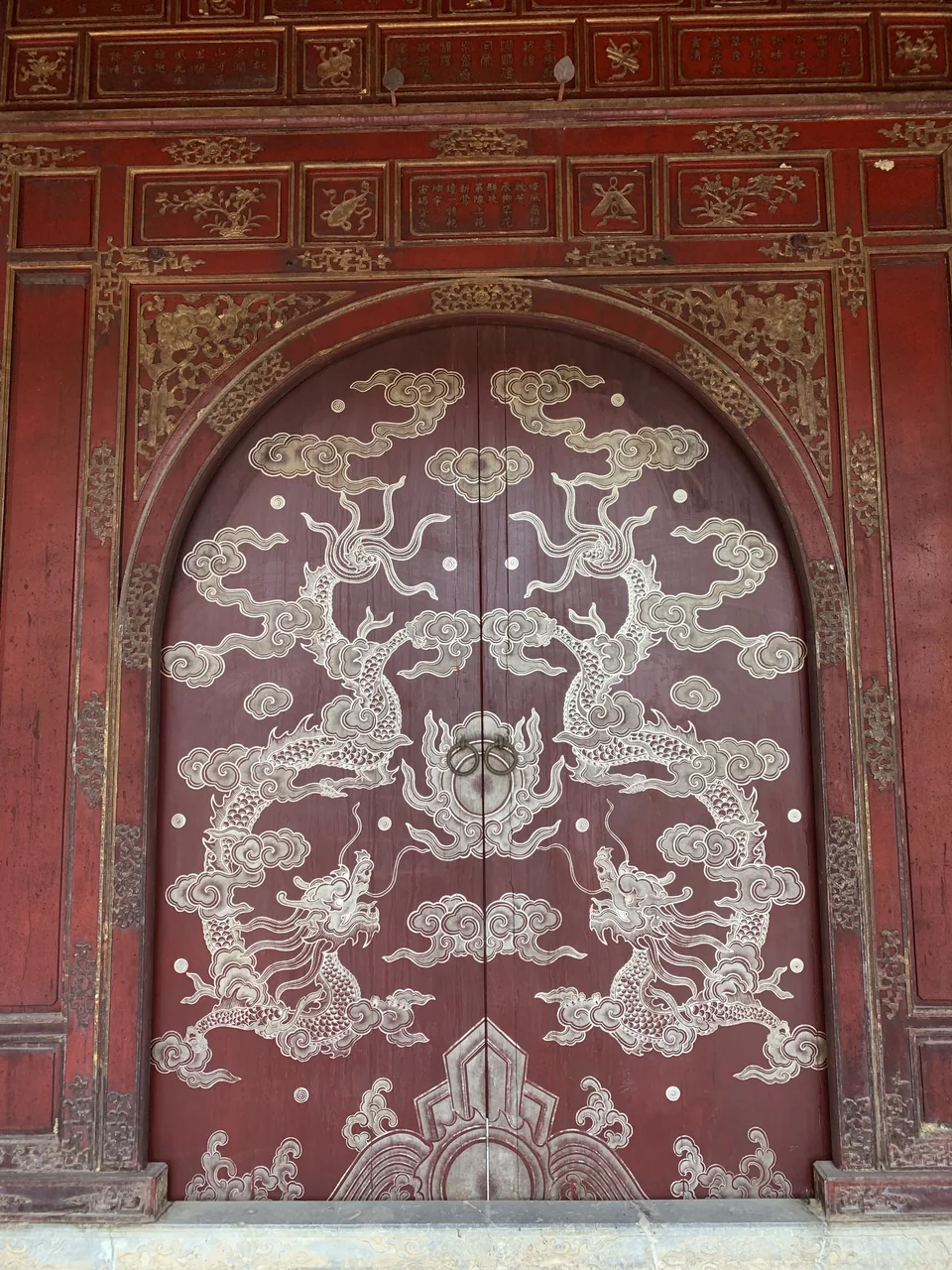
Dong Khanh Tomb: architectural layers in one complex
Dong Khanh commissioned Truy Tu temple to honour his father, Kien Thai Vuong. After the emperor’s death, his successor Thanh Thai adapted the building as Ngung Hy for Dong Khanh’s worship. Later, Dong Khanh’s son Khai Dinh undertook further work on the temple and funerary area. This sequence matters more than memorising a list of completion dates: the complex grew through changed needs and family remembrance. Ask a guide to distinguish the origins of the worship building from the later work on the burial architecture before comparing decorative styles.
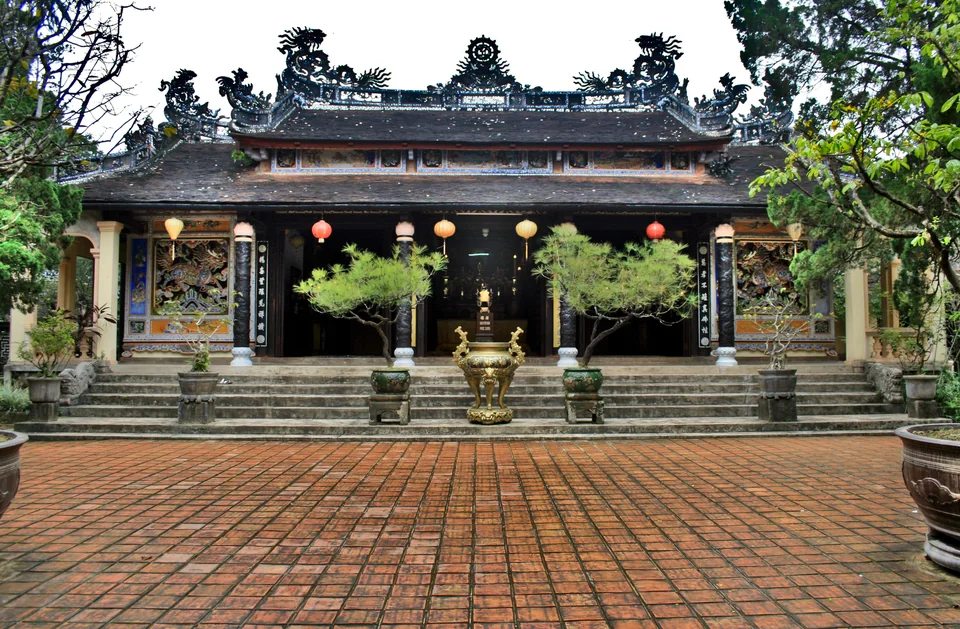

Tu Hieu Pagoda: a contemplative landscape and royal connections
The temple developed from An Duong hermitage, founded by Master Nhat Dinh in 1843. Its name connects compassion with filial devotion, and the temple tradition remembers his care for his mother alongside his religious practice. This human story provides an accessible way into the visit without reducing Buddhism to decoration. Ask how the founder is remembered and how a modest hermitage became a larger temple. The connection with Plum Village’s spiritual lineage adds another layer, but it does not turn a sightseeing stop into an organised retreat.
Choose the experience that fits
| Choice | What to consider |
|---|---|
| Dong Khanh Tomb: architectural layers in one complex | A visit is most useful when it gives attention to both the temple and the funerary zone. Ask which interiors and exterior areas are currently accessible, then choose a guide who can explain how the phases connect. Do not assume an old restoration report guarantees present entry to every room or the display of particular objects. If combining Dong Khanh with another tomb, keep enough time here to compare the two architectural settings instead of treating it as an extra photograph stop. Its distinctive story is the adaptation of a family memorial and the changing forms used to commemorate an emperor. |
| Tu Hieu Pagoda: a contemplative landscape and royal connections | Choose Tu Hieu if you want to spend time observing a religious landscape rather than adding another grand façade to a checklist. Check the accessible visitor route and follow guidance around worship areas and graves. A contemplative setting does not guarantee silence, a meeting with monks or a meditation class. If a guide is important, request explanation of the founder and court connections, not just transport to the gate. Leave space to walk and look slowly, and ask before photographing people. The visit rewards a respectful interest in the lives remembered here, whether or not any activity is taking place. |
| Try this | Ask what is documented and what is tradition; keep that distinction when retelling. |
Ask VietnamGuide AI
Ask VietnamGuide AISources
Explore more
- Da Nang’s two market baskets: eat now, take home later
Han and Con markets reward a purpose before a stall list.
- Lak and Tuyen Lam: beside the water, without going afloat
A carefully chosen shore can make a complete lake outing.
- Can Tho solo: two observations at Ninh Kieu and Ong Pagoda
Travelling alone leaves time for details, without a packed schedule.