Travel guide
Ha Giang heritage: reading historic places in context
Ha Giang's heritage is not one continuous story that a viewpoint photograph can explain. Rocks, houses, roads and community traditions belong to different timescales and need different kinds of evidence. A useful visit connects one place to a question: how people built, traded, travelled or adapted to the landscape, without turning every attractive building into a royal palace or every local account into established fact.
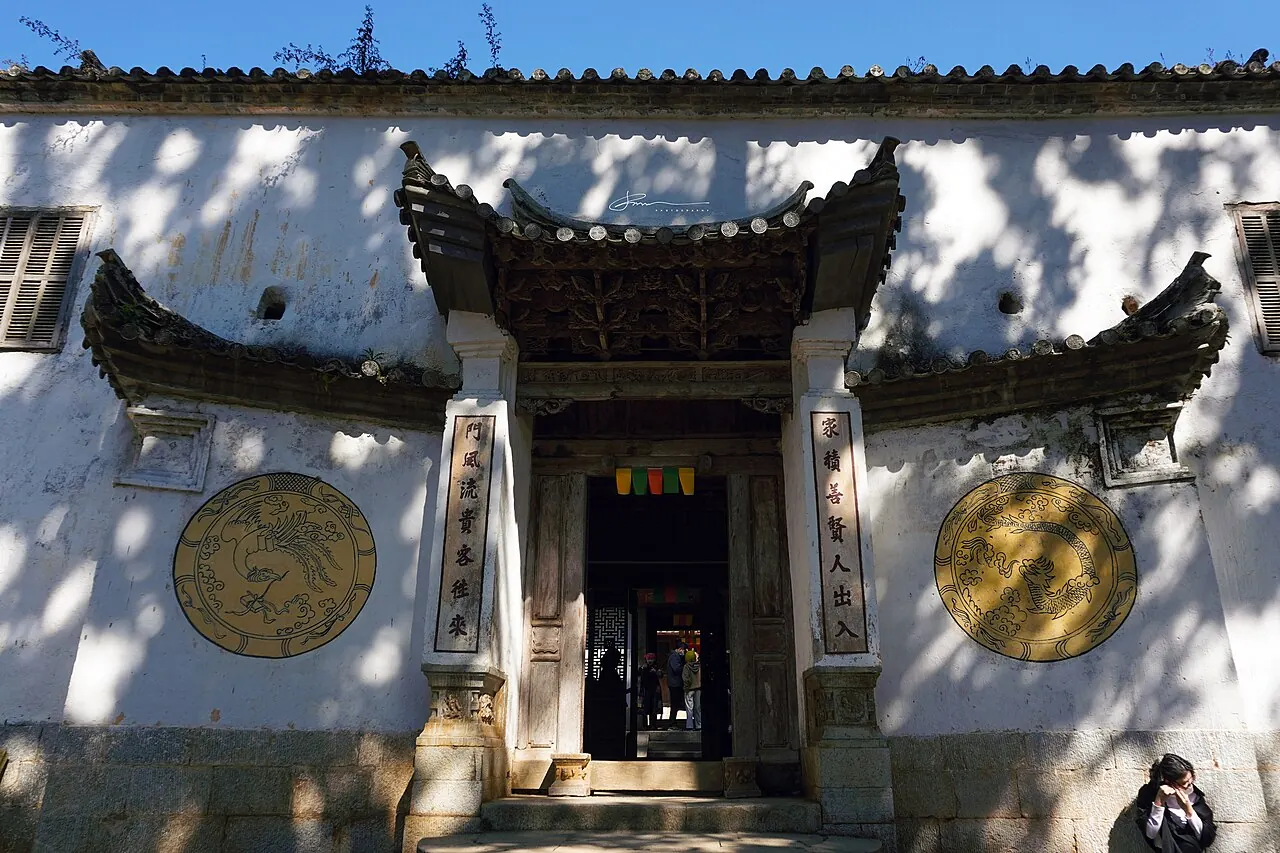
Reference photo: Vuong family residence — entrance Ha Giang context photo; it does not depict a service, dish or attraction absent from the image. ·
NKSTTSSHNVN · CC BY-SA 4.0 · Resized and converted to WebP

Keep geological and human history distinct
The Dong Van UNESCO Global Geopark explains a very long geological record alongside cultural heritage. An ancient rock formation does not mean a nearby house is the same age, and UNESCO geopark status is different from a World Heritage listing. Read the site's own label before repeating a superlative or designation. Ask a guide which part of an explanation comes from geological interpretation and which describes people living there today.
Use the Vuong residence as a focused case
At the Vuong family residence in Sa Phin, notice how courtyards, timber, stone and roof forms work together. Ask about the family's historical role and the evidence for the building's dates, rather than relying only on the popular Hmong King Palace nickname. Distinguish original fabric, later repairs and interpretive displays where information is available. A family residence can illuminate power and trade without representing every Hmong household or all regional history.
Read a town as a lived place
Dong Van's old quarter combines heritage buildings with homes, shops and everyday business. Walk at a pace that lets residents use entrances and carry on their work. A renovated facade, souvenir shop or cafe does not erase the street's history, but neither proves that an interior is unchanged. Ask before entering a house, taking interior photographs or assuming a private doorway is part of a public exhibition.
Compare accounts without forcing certainty
A guide's family story, a museum panel and a tourism brochure may emphasise different things. Record who is speaking and whether a claim is a legend, an oral account or a documented date. Keep border scenery visits on authorised routes, and do not photograph restricted facilities or mistake a tourism stop for permission to cross a boundary. Leave with a few well-understood places rather than collecting dramatic claims that your sources cannot support.
Ask VietnamGuide AI
Ask VietnamGuide AISources
- 1. www.unesco.org/en/iggp/dong-van-karst-plateau-unesco-global-geopark
Source checked:
- 2. vietnam.travel/things-to-do/ha-giang-adventures
Source checked:
Explore more
- Ha Giang buckwheat flowers: fields, season and honest expectations
Plan a flower-focused visit around recent field reports, respectful access and a route that still works without peak bloom.
- Au tau porridge in Ha Giang: understand the risks before ordering
Learn what au tau porridge is, why its ingredient requires caution and how to choose another local meal if preferred.
- Dong Van steamed rice rolls: a breakfast served with broth
Order banh cuon in Dong Van with clear questions about filling, broth, portion size and dietary needs.