Travel guide
One Hanoi history question, three kinds of evidence
Separate education, dynastic power and modern memory; choose what to understand rather than placing every site in one period.
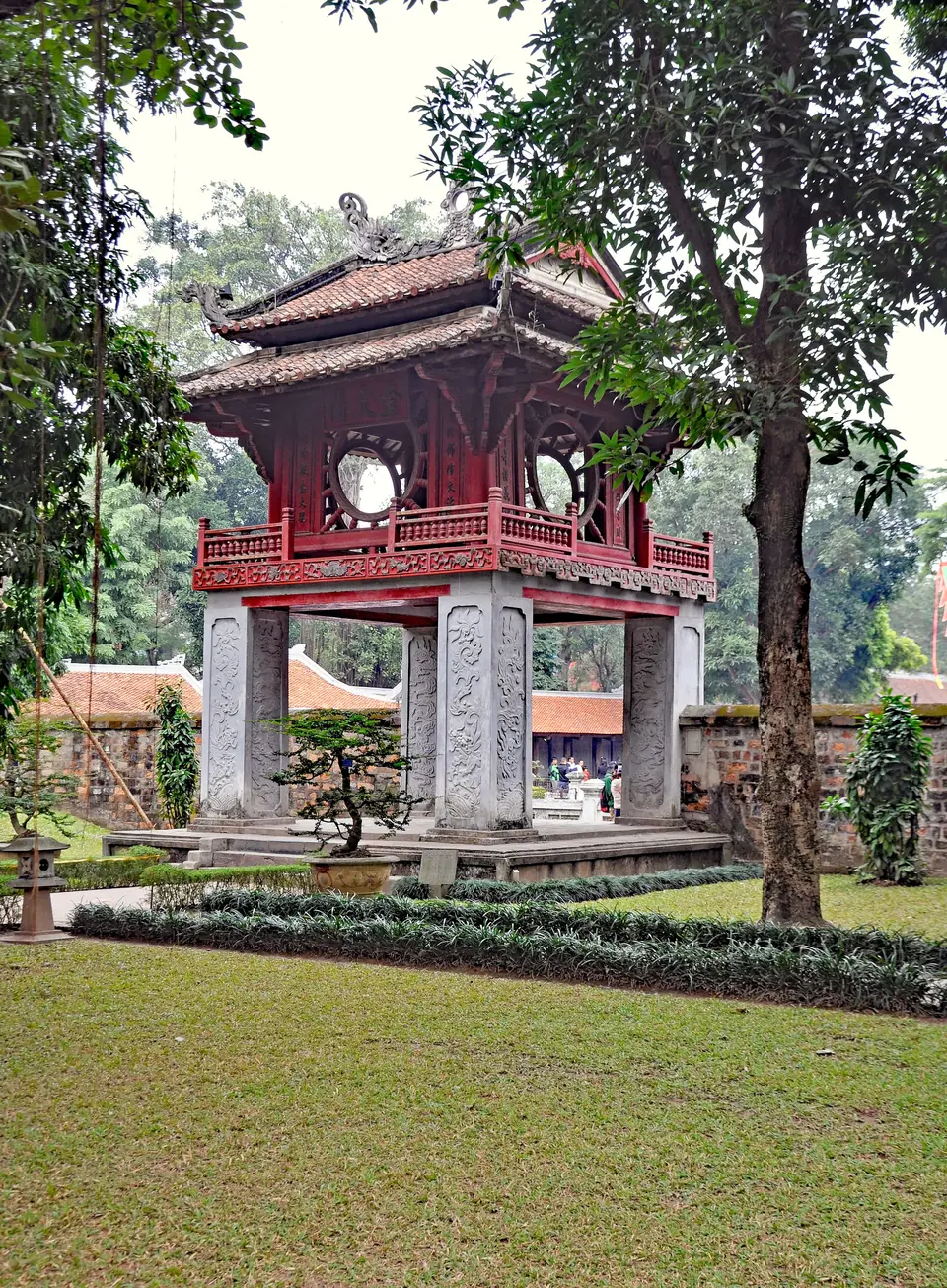

Temple of Literature: reading Hanoi’s education heritage
Khue Van Pavilion, the doctoral stelae garden, Dai Thanh and Thai Hoc are distinct parts of the site. The stelae invite attention to the commemoration of scholarly achievement; the courtyards help explain how movement and thresholds organise the complex. Read the interpretation alongside what you see. The institution’s long history does not mean all visible buildings survive unchanged from its founding: establishment, rebuilding and restoration are different things. Avoid dating a particular roof or carving from appearance alone.
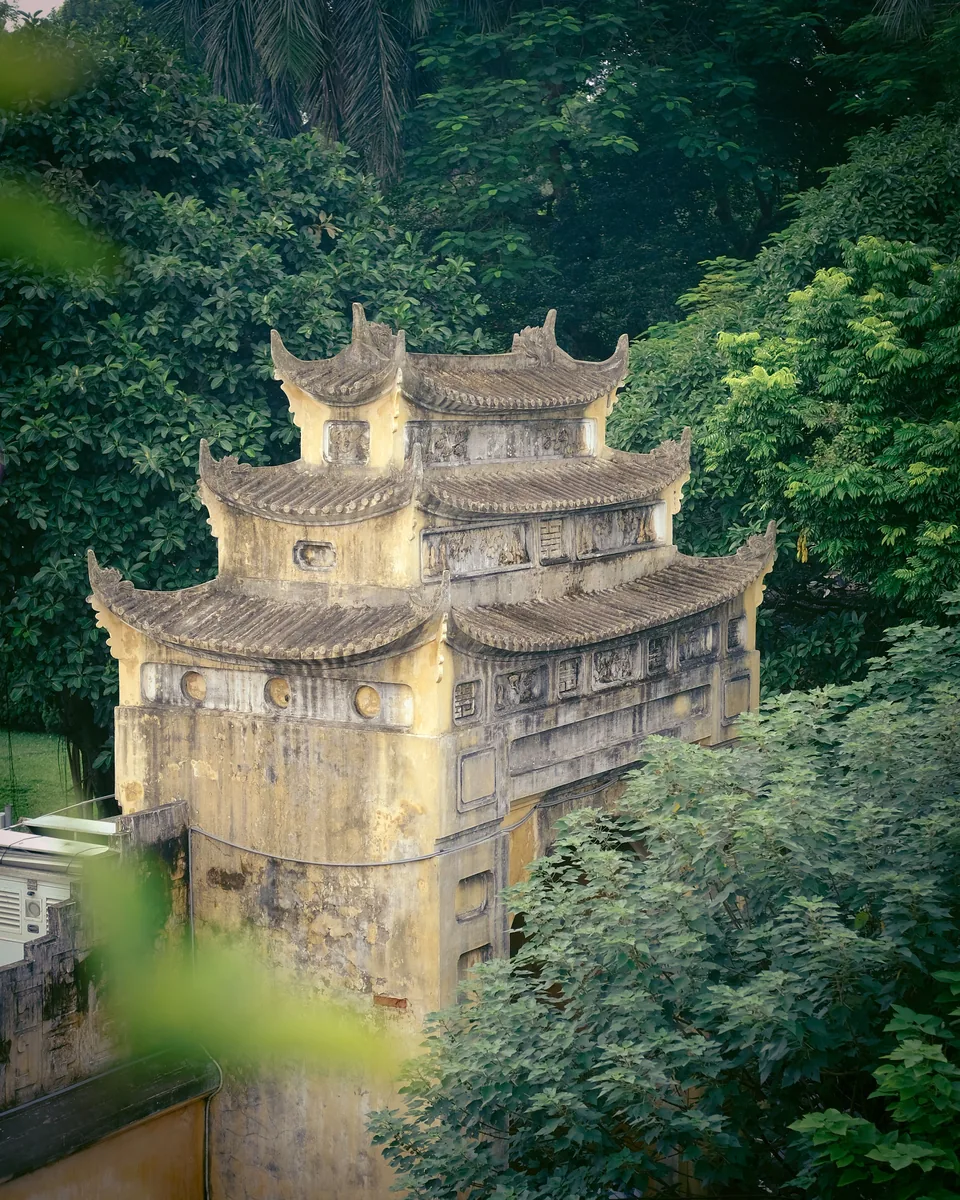
Thang Long Citadel: reading the layers beneath Hanoi
UNESCO’s 2010 inscription concerns the Central Sector of the Imperial Citadel of Thang Long, including surviving buildings and the archaeological area at 18 Hoang Dieu. It does not make all of Hanoi, or the separate Co Loa site, part of the same inscription. Archaeological remains and standing structures tell different kinds of stories. A foundation may explain an earlier arrangement even when the complete building no longer survives. Later historical spaces, including those associated with D67, add another period rather than replacing the imperial narrative.
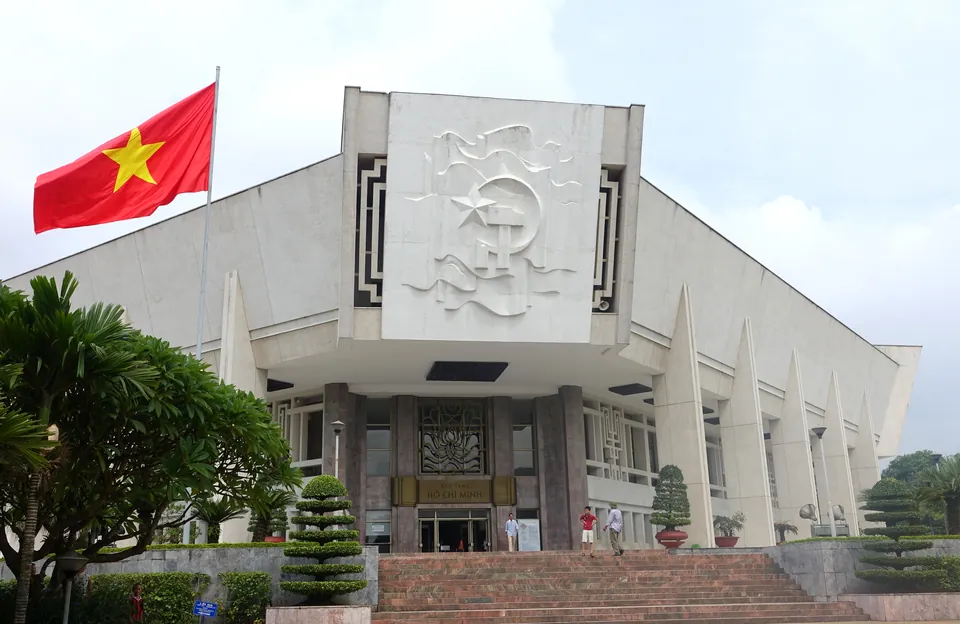

Ho Chi Minh Museum in Hanoi: what to see and how to plan
The museum’s published exhibition introduction describes three connected strands: Ho Chi Minh’s biography, the Vietnamese people’s history, and the world events surrounding them. It also explains the building’s white-lotus symbolism. Use those strands to read the displays: distinguish a biographical document from an artistic interpretation or a wider historical scene. This is a more rewarding approach than treating every sculptural image as a literal reconstruction. The introduction is interpretive background, not a guarantee that every installation remains unchanged.
Choose the experience that fits
| Choice | What to consider |
|---|---|
| Temple of Literature: reading Hanoi’s education heritage | Check the operator’s current entrance arrangements, ticket conditions and opening information before setting out. Entry and exit points should not be assumed interchangeable. Dress respectfully and follow staff instructions; do not touch or write on monuments and artefacts. Ask VietnamGuide AI to help combine this scholarly heritage visit with nearby published Hanoi guides, using your actual interests and available time. |
| Thang Long Citadel: reading the layers beneath Hanoi | Ask the operator which areas are accessible, whether any exhibitions or routes are temporarily closed, and what current ticket conditions apply. Do not infer access to an excavation from its appearance on a heritage map. Follow marked paths and protection notices. VietnamGuide AI can help fit a history-focused citadel visit around your other Hanoi interests without inventing opening times or assuming your budget and travel dates. |
| Ho Chi Minh Museum in Hanoi: what to see and how to plan | Before travelling, consult the museum’s official visitor information for the intended day, admission arrangements and available language guidance. Ask which interpretation services are actually offered if you need a particular language; do not assume a translated website guarantees a guide. The online booking feature has been described as under development, so confirm how admission is arranged instead of relying on an unfinished checkout. Follow the museum’s displayed photography and visitor instructions during the visit. |
Ask VietnamGuide AI
Ask VietnamGuide AISources
- 1. www.vanmieu.gov.vn/en/introduction/visitor-information
Source checked:
- 2. www.vanmieu.gov.vn/en/introduction/site-history
Source checked:
- 3. whc.unesco.org/en/list/1328/
Source checked:
- 4. hoangthanhthanglong.vn/en/
Source checked:
- 5. baotanghochiminh.vn/
Source checked:
- 6. baotanghochiminh.vn/gioi-thieu-chung-ve-trung-bay-thuong-xuyen-cua-bao-tang-ho-chi-minh.htm
Source checked:
Explore more
- Hanoi: one bowl, one plate or a shared platter?
Choose how to share before choosing a venue: pho, banh cuon and bun dau make different meals.
- Temple, cathedral or market: how will you enter Hanoi?
A place of worship differs from a trading space. Adapt your attention and conduct to what people are doing.
- Egg coffee or che: choose your Hanoi pause
Do you want a drink or a sweet dish? Decide that first, then ask about ingredients, sweetness and serving style.