Travel guide
Nam Thiên Nhất Trụ: Ho Chi Minh City’s own one-pillar temple
Nam Thiên Nhất Trụ is a separate Ho Chi Minh City temple, not another name for Hanoi’s One Pillar Pagoda. Its recorded address is 511 Nguyễn Văn Bi. The national tourism authority links its design to Hanoi’s Diên Hựu tradition, but architectural inspiration is not shared identity or a transferable heritage status. Use the full southern temple name when planning a visit.
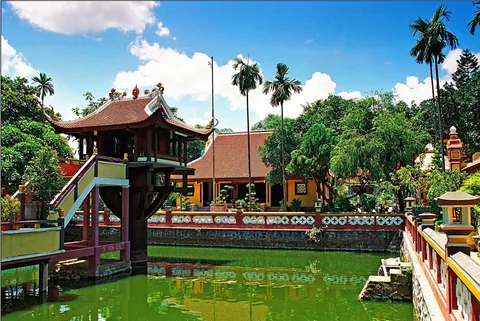
Lotus pavilion and pond at Nam Thien Nhat Tru Pagoda in Thu Duc
Võ Văn Tường (site/gallery credit; exact image byline not separately displayed) · Resized and converted to WebP
Start with the twentieth-century foundation
The authoritative account says Thích Trí Dũng organised the temple in 1958 and Nguyễn Gia Đức designed it with inspiration from the Hanoi model. This gives the southern site its own historical starting point. Do not apply Hanoi’s founding story, dates or visitor arrangements to it. If comparing photographs, focus on how the one-pillar idea is interpreted here rather than expecting an exact replica in every detail. Different buildings and later additions need their own explanation.
Separate the pond pavilion from the main hall
The source describes a lotus pavilion in Long Nhãn pond associated with Avalokitesvara, and identifies the main hall and a memorial tower as separate features. That distinction helps you read the layout: the well-known pavilion does not stand for the whole temple complex. In the main-hall context, the account also identifies altar statuary and panels made by Bá Nhâm in the 1970s. Ask which features can be seen from currently open guest areas rather than assuming that one photograph shows everything available to visit.
Choose a respectful architectural comparison
A useful visit can focus on the relationship between pavilion, water and the larger religious setting, then on the later altar art if it is accessible. You do not need to enter the pond or climb a tower to understand those themes; no such permission follows from this guide. Confirm present visiting arrangements, public areas and any mobility needs directly. Let worshippers use the space and follow local instructions about photography. Stable historical and artistic context was checked on 17 October 2026; current opening hours, fees and entry to specific structures are not guaranteed.
Ask VietnamGuide AI
Ask VietnamGuide AISources
- 1. vietnamtourism.vn/index.php/tourism/items/267/9
Source checked:
Explore more
- Saigon railway station: match your train, ticket and identity
Plan a departure from Ga Sài Gòn by separating station identity, ticket details and dated railway identification guidance.
- Can Gio mangroves: understand the reserve before choosing a visit
Understand Can Gio’s UNESCO biosphere identity, connected coastal habitats and the difference between a reserve-wide landscape and a managed Vam Sat visit.
- Tran Hung Dao Temple: a memorial beyond the riverfront statue
Explore the Trần Hưng Đạo temple on Võ Thị Sáu through its memorial layout, bronze figure and interpretation of the historical commander.