Travel guide
Hoi An’s streets, bridge and house: passing is not entry everywhere
A street walk and individual interiors need separate understanding.
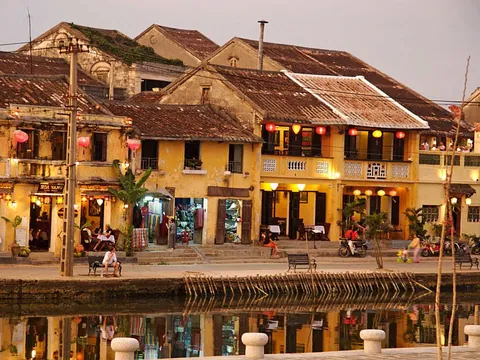

A perspective for your choice
The old town links streets, plots and buildings; the Covered Bridge and Tan Ky have particular visiting purposes. Naming the desired interior helps check ticket coverage instead of treating a walk as access to every door.
Why Hoi An is World Heritage: read the trading port as a whole
Hoi An Ancient Town entered the UNESCO World Heritage List in 1999 under criteria concerning cultural exchange and a traditional settlement. Its significance is not limited to one bridge, one old house or a photogenic yellow wall. UNESCO describes a surviving trading-port town in which buildings, plots, streets and the river setting work together. This explanation helps you interpret what you are looking at; it is not another walking route or a replacement for individual monument guides.
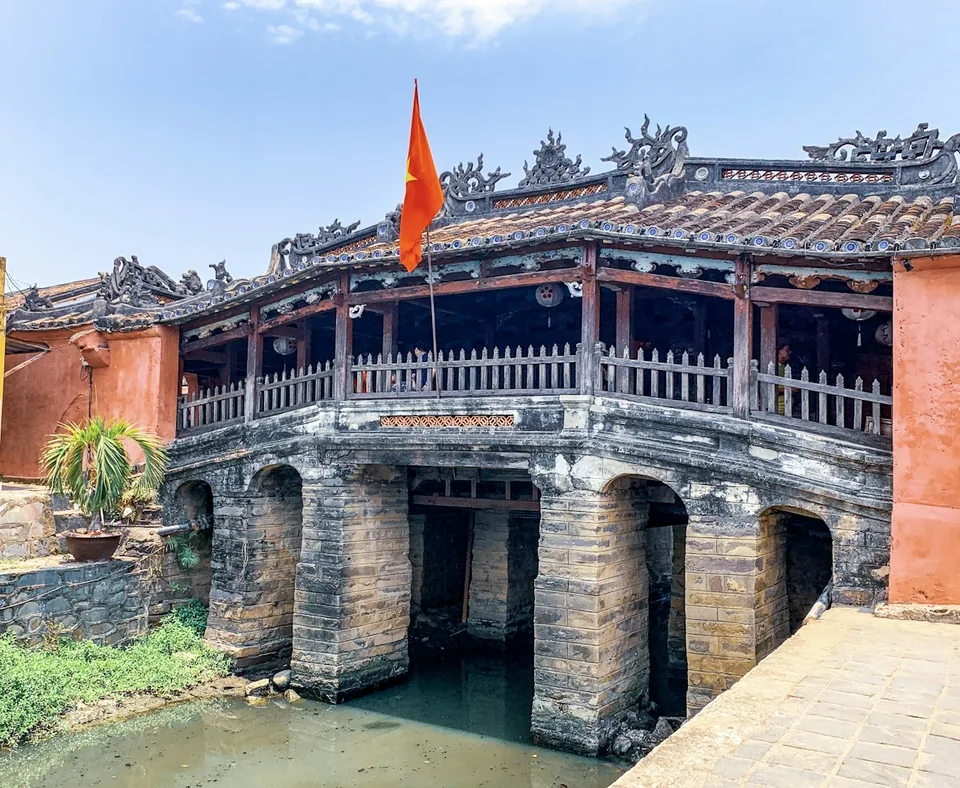
Japanese Covered Bridge: looking beyond Hoi An’s landmark photograph
Chùa Cầu, also called the Japanese Covered Bridge or Lai Viễn Kiều, rewards more than a quick photograph. It represents connections between communities in the old trading port. Visit with a question in mind: how did a useful crossing become a symbol of Hội An? The bridge is one focused heritage stop, rather than a complete Ancient Town itinerary.
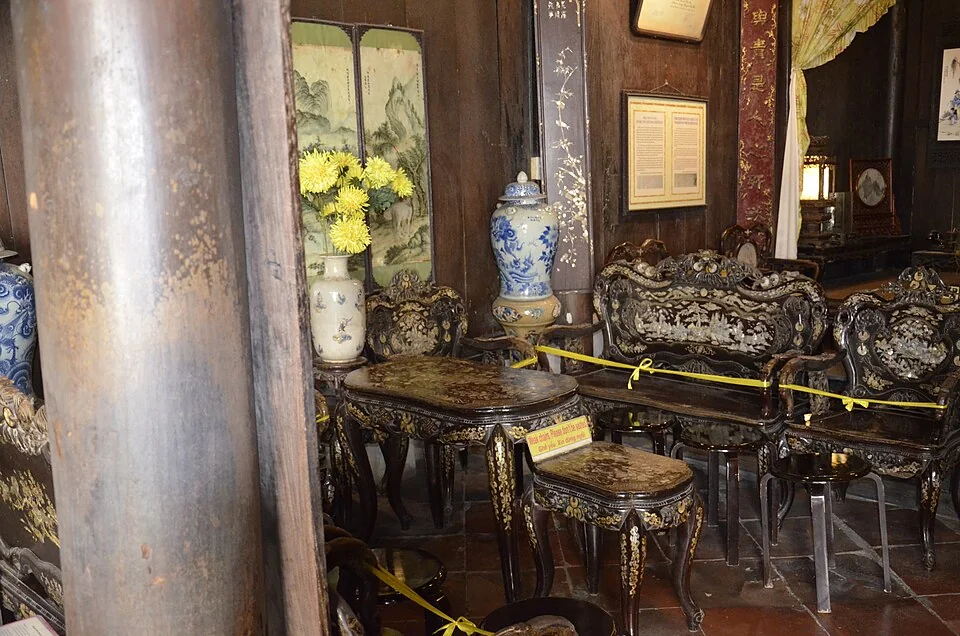

Tân Ký house: read the architecture of a Hội An merchant home
Tân Ký at 101 Nguyễn Thái Học is a useful choice for travellers who want to understand a historic Hội An house from the inside. Instead of collecting a list of “oldest” or “most beautiful” claims, follow how its spaces work together. A focused visit can connect construction, light, family life and decoration without turning the house into a backdrop.
Choose the experience that fits
| Choice | What to consider |
|---|---|
| Why Hoi An is World Heritage: read the trading port as a whole | The Ancient Town’s World Heritage status and Hoi An’s membership of the UNESCO Creative Cities Network are different recognitions. The latter, in Crafts and Folk Art since 2023, concerns creativity, skills and cultural development; it does not extend the World Heritage property to every workshop or resort using the town’s name. Nor does either designation guarantee unrestricted access. Respect homes, shops and active places of worship, ask before entering non-public spaces and follow current conservation instructions. Do not interpret repaired timber as automatically inauthentic: UNESCO’s account explicitly explains renewal using traditional repair methods. Old administrative labels or legal summaries in a heritage dossier should not be mistaken for current travel regulations. |
| Japanese Covered Bridge: looking beyond Hoi An’s landmark photograph | Make room for residents and other visitors; pause for photographs where you will not obstruct movement. Combine this focused stop with the existing two-day Hội An guide when planning the wider stay. Current hours, charges and temporary restrictions need a separate check. |
| Tân Ký house: read the architecture of a Hội An merchant home | Before going, confirm current hours, ticket arrangements and any limitations with official visitor information. Ask about steps and door thresholds if mobility is a concern. Pair this stop with the broader two-day Hội An itinerary, leaving room for a pause rather than rushing through multiple houses. This guide does not guarantee a particular explanation, tour inclusion or current admission price. |
| Try this | Confirm the exact site and interior against current admission information. |
Ask VietnamGuide AI
Ask VietnamGuide AISources
- 1. whc.unesco.org/en/list/948/
Source checked:
- 2. www.unesco.org/en/creative-cities/hoi
Source checked:
- 3. www.hoianworldheritage.org.vn/en/news/New-notice/hoi-an-joins-the-unesco-creative-cities-network-in-2023-782.hwh
Source checked:
- 4. hoianheritage.net/en/specialised-exchanges/research-exchange/japanese-covered-bridge-in-hoi-an-renovations-1.html
Source checked:
- 5. www.hoianworldheritage.org.vn/vi/news/Diem-di-tich/Nha-co-Tan-Ky-Hoi-An-13.hwh
Source checked:
Explore more
- Tan Ky and Binh Thuy: read a home before naming its style
A house tells family life, beyond a collection of architectural forms.
- Hoi An: something you make, something you buy at the market
Lantern making and market browsing need not become identical souvenir stops.
- Da Nang’s two market baskets: eat now, take home later
Han and Con markets reward a purpose before a stall list.