Travel guide
Memory in bronze, memory of the sea: the Nine Urns and Van Thuy Tu
A preserved object opens how people understand their world.

A perspective for your choice
The urns picture a country in a royal setting; Van Thuy Tu connects whale remains with fishing memory. Asking why things are kept takes separate visits beyond unusual photographs without equating two traditions.
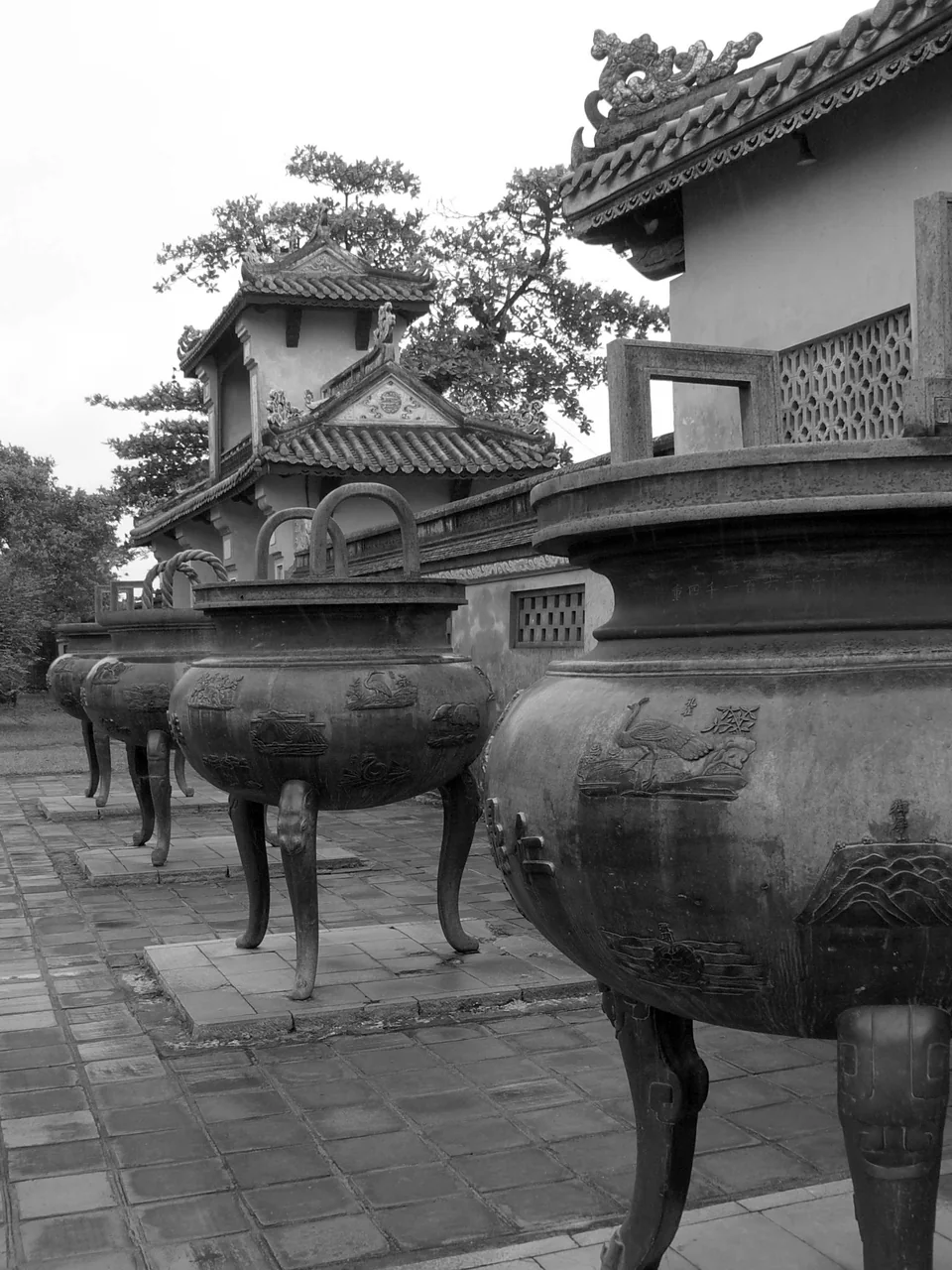
The Mieu and the Nine Dynastic Urns: Nguyen memory in bronze
The Mieu and the Nine Dynastic Urns bring two scales of royal memory together: a temple dedicated to Nguyen emperors and a country pictured on bronze. This is a place to move from the broad arrangement of the court to the small details that make each urn different.
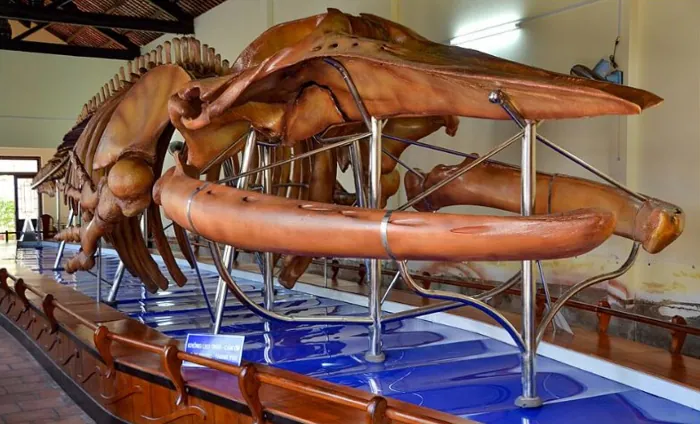

Vạn Thủy Tú: whale worship and Phan Thiết’s fishing heritage
Vạn Thủy Tú offers cultural context for a coast often introduced through beaches and seafood. The site is associated with the reverence for whales among fishing communities and preserves whale remains. Approach the visit as an encounter with belief, memory and maritime livelihoods, rather than a hunt for an unusual object to photograph.
Choose the experience that fits
| Choice | What to consider |
|---|---|
| The Mieu and the Nine Dynastic Urns: Nguyen memory in bronze | In 2024, the bas-reliefs on the Nine Bronze Urns were inscribed on the UNESCO Memory of the World Asia-Pacific Regional Register. That documentary recognition is different from the Complex of Hue Monuments’ World Heritage inscription in 1993. Neither label makes the urns ordinary museum props: their location remains part of the experience. Give this compound its own pause within an Imperial City visit, after the main ceremonial axis if that fits the open route. You leave with a more concrete sense of how the Nguyen court represented both ancestry and the wider world. |
| Vạn Thủy Tú: whale worship and Phan Thiết’s fishing heritage | Treat Vạn Thủy Tú as part of a Phan Thiết cultural visit, allowing time for an explanation rather than just a quick photograph between beach stops. Establish the precise entrance and pickup point, and ask about any steps or restricted sections if access is important to your group. Combining the shrine with a city walk or another heritage stop can help distinguish fishing-town life from resort life, without turning either community or religion into a staged tourist scene. |
| Try this | Choose an explained detail and ask why it matters to its keepers. |
Ask VietnamGuide AI
Ask VietnamGuide AISources
- 1. khamphahue.com.vn/Du-lich/Ban-%C4%91o-so/WC-cong-cong/pid/1584/cid/28
Source checked:
- 2. artsandculture.google.com/story/the-nine-dynastic-urns-quang-binh-tourism-department/vAUh_i4YibICLw
Source checked:
- 3. www.unesco.org/en/articles/unescos-memory-world-mow-regional-register-inscribes-20-new-items-recognition-human-innovation-and
Source checked:
- 4. whc.unesco.org/en/list/678/
Source checked:
- 5. vietnam.travel/things-to-do/cultural-experiences-binh-thuan
Source checked:
Explore more
- Through gates to read power: Ngo Mon and Thang Long by approach
A gate organises approach as well as framing photographs.
- Bridges to read two banks: Truong Tien and Dragon Bridge in town
A bridge is both a form and a daily connection.
- Sa Dec and Da Lat: follow a colour to see the grower
Beyond a beautiful bed lie tending, arranging and getting plants to buyers.