Travel guide
Lak Lake at dawn and dusk: photograph the water, not a promise
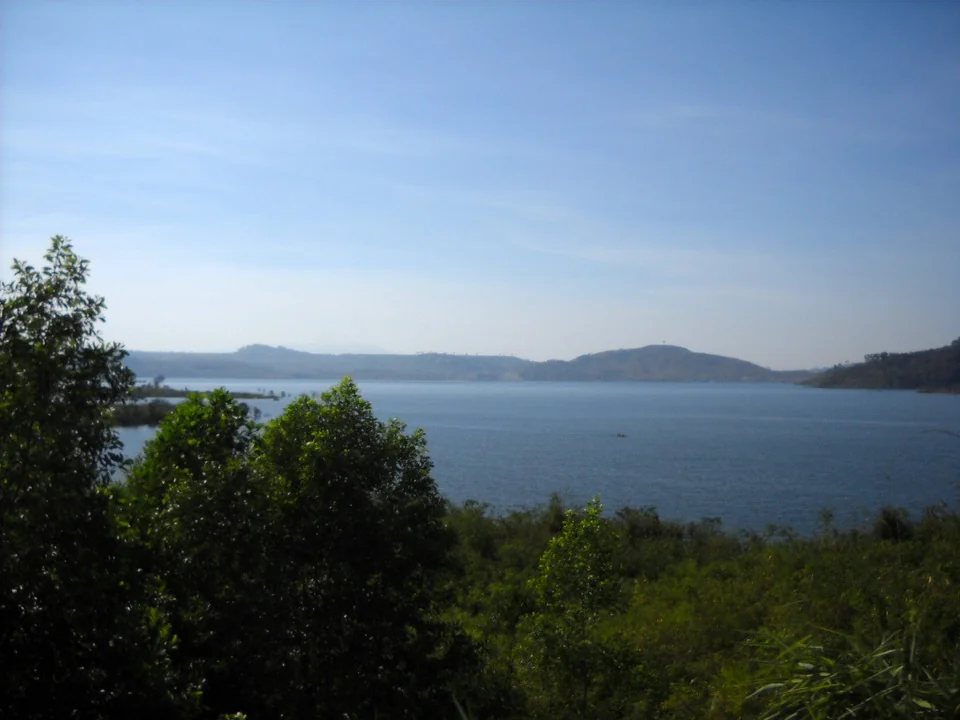
Lak Lake can give a photographer more than one postcard. A broad sky, layered hills and a working shoreline offer different pictures as the light changes. The rewarding approach is to know your access before the light arrives, then let the actual weather guide the composition rather than chase somebody else’s image.

Scout in daylight, photograph with patience
Use the afternoon before a dawn session to inspect a permitted public viewpoint. Find the route from your room, check whether it crosses a private yard and note steps, uneven ground or an exposed edge. A short known route is better before sunrise than a longer unfamiliar track. Ask your host whether the location remains accessible at the intended hour, rather than assuming a gate will be open. Once there, give yourself time to watch the balance of sky and water. The best frame may be a modest strip of reflection, not the widest possible panorama or the exact position marked on a social-media map.
Choose a direction, not just a time
Sunrise and sunset describe the time of day, but they do not guarantee that the sun appears above the water from your chosen shore. Check the direction on a map and compare it with the hills you can actually see. If the sun is hidden, reflected cloud colour, a silhouette or the cooler light across a village may still make a stronger picture. Separate a sky-led composition from a shore-led one: decide whether your subject is changing colour, the shape of a boat at rest or the relationship between houses and fields. Waiting with a clear subject often improves a photograph more than constantly moving around the lake.
Work with the water you find
Lake levels and the visible shoreline vary; old photographs are not a reliable measure of today’s foreground. A reflection may be broken by wind or ordinary work on the lake, while a lower waterline can reveal an entirely different pattern. Treat those changes as material rather than a disappointment. Include a small foreground detail only from ground you are entitled to stand on. Mud, crops and landing places are not interchangeable photo platforms. Keep the horizon intentional, protect lenses from moisture and make a few careful frames before reaching for every piece of equipment. A phone used patiently can tell the place better than a hurried bag of lenses.
Let people remain people
National tourism coverage shows the lake as a source of livelihoods as well as scenery. A person tending animals, moving a boat or carrying goods is not automatically a subject available to you. Ask for close portraits and avoid blocking a working route with a tripod. A long lens does not remove the need for consideration, and permission for one picture does not cover every private moment. Do not ask somebody to repeat work, handle an animal or move a boat into an unsafe position for the composition. If no portrait is welcome, make a landscape that leaves residents their space; the photograph can still communicate a lived-in shore.
Keep an exit plan after the colour fades
At dusk, decide when to pack up before the path becomes hard to read, especially if rain is approaching. Carry a small light, rain protection and enough phone charge, and tell the accommodation where you will be if leaving alone. Do not enter the water or launch an unarranged boat just to improve an angle. Drone use requires separate checks and any necessary permission; a quiet lake is not evidence that flying is allowed. End the session with time to look without recording. Sometimes the most useful picture is the one that helps you notice how the whole landscape changes between daylight and evening.
Ask VietnamGuide AI
Ask VietnamGuide AISources
- 1. dantoc.vietnamtourism.gov.vn/binh-yen-ho-lak-dak-lak/
Source checked:
- 2. en.nbca.gov.vn/khu-bao-ve-canh-quan-ho-lak-dak-lak/
Source checked:
Explore more
- Lak Lake by dugout canoe: a small boat, a different view
Consider a dugout-canoe outing on Lak Lake: what changes from the water, how to choose a host-led trip and what to check before boarding.
- Where to stay at Lak Lake: choose the experience before the view
Compare a village homestay with lakeside tented accommodation at Lak Lake, looking at hosting, privacy, meals, actual access and transfer costs.
- Mlieng village: a quieter Lak Lake visit with an introduction
Arrange a considered visit to Mlieng near Lak Lake: rural landscapes, Mnong household life and practical questions for a local guide rather than a guaranteed workshop.