Travel guide
Ly Son through freshwater: Xo La well, Thoi Loi reservoir and irrigation
Among Ly Son's sea photographs, freshwater offers another way to read the island. Xo La well, Thoi Loi reservoir and irrigation are not simply three scenic backgrounds: they raise questions about keeping and using water. This is a lens on island life, not a timed three-stop itinerary.
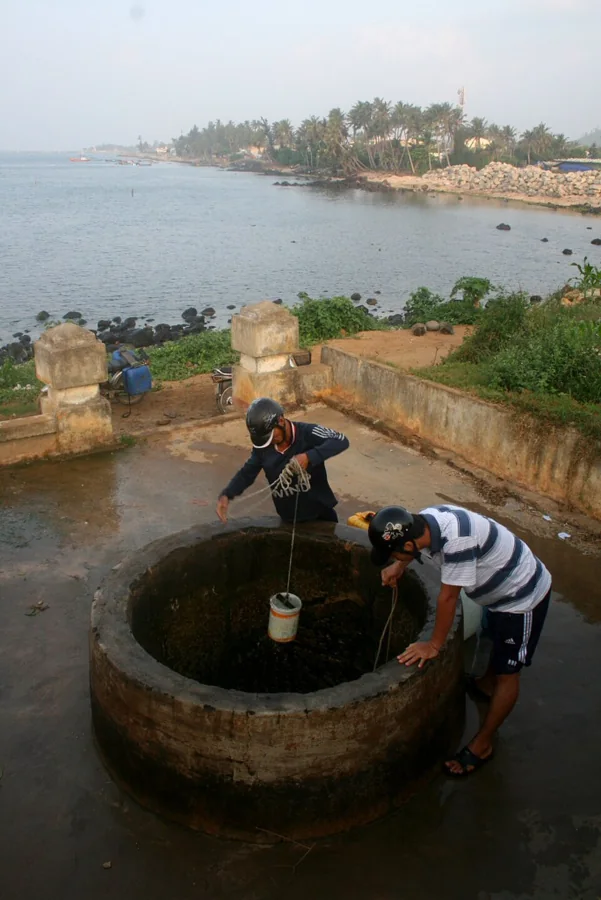

Xo La: read the well, do not taste the water
The official guide identifies Xo La as a stone-lined well and a provincial historic monument. From a permitted position, notice materials and the well's relation to its surroundings. Distinguish interpretations of origins from a demonstrated construction date. Heritage status does not establish potability. Do not draw or taste water, drop objects or treat a water source as a prop; ask how to visit without affecting everyday use.
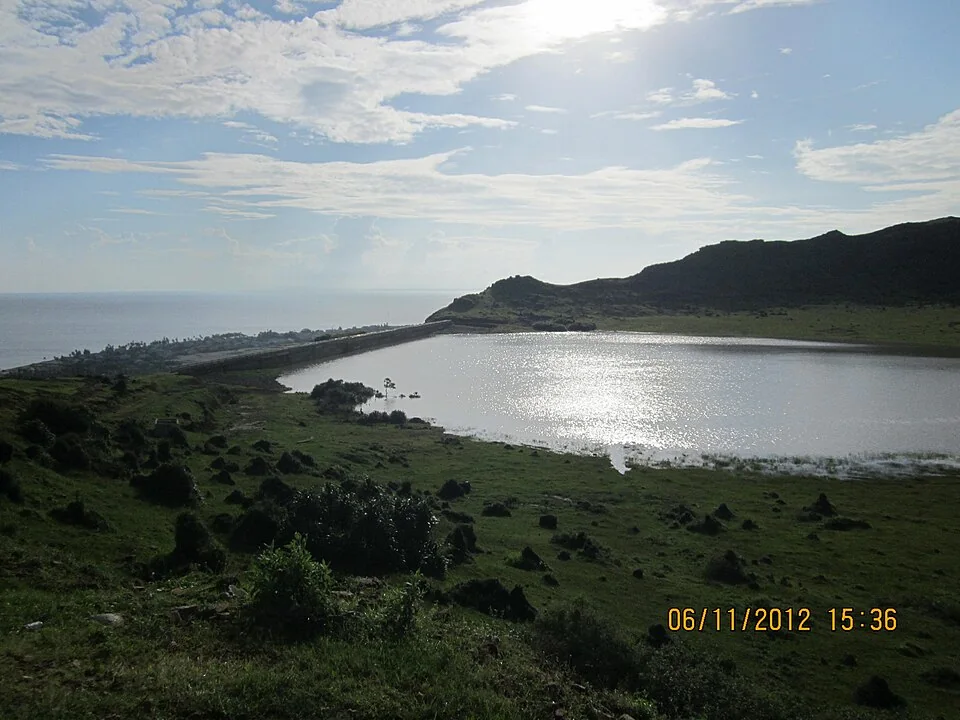

Thoi Loi: infrastructure as well as landscape
A provincial government report dated 17 September 2025 describes Thoi Loi's roles in storage, water supply and groundwater recharge. That context gives the water surface meaning beyond a scenic view. This is a dated report, not a 2026 water-level measurement. Do not infer permission to descend to the shore, swim or walk around the reservoir; observe only from confirmed access and respect protective boundaries.
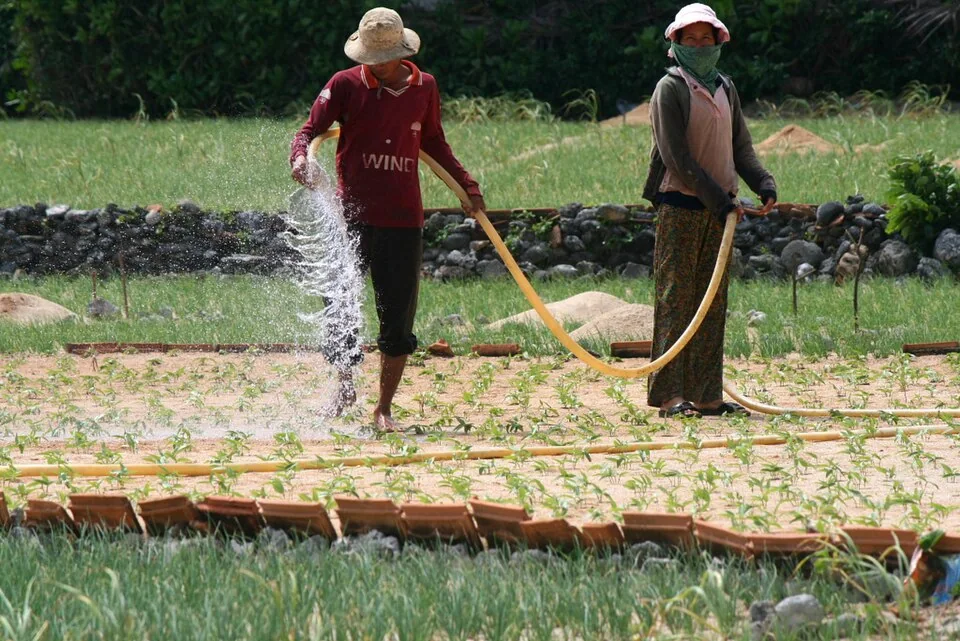

Irrigation: follow the work without interrupting it
The same report identifies surface and groundwater as important freshwater sources and notes pressure on groundwater. When irrigation is taking place, ask a guide or farmer how the work is organised rather than following pipes into beds. The photo depicts cultivation and irrigation, not a verified crop or present permission to enter. Observe from public or host-approved positions, keep work routes clear and leave equipment untouched.
Bring a question about island life
For a deeper Ly Son visit, ask about links between wells, storage and cultivation instead of adding another similar coastal photo stop. All three need not be visited in one outing. Ask your accommodation how to use water appropriately under actual conditions; do not assume permanent island-wide shortage or completed infrastructure projects. This article neither recommends drinking well water nor verifies water quality. The useful takeaway is understanding water's role while respecting places people depend on.
Ask VietnamGuide AI
Ask VietnamGuide AISources
Explore more
- Thai Vi is a temple, Bich Dong a pagoda: names open different stories
Correct place terms help you ask whom a site remembers and what its spaces do. Use this Ninh Binh vocabulary card without ranking sacredness.
- Domaine de Marie and Linh Phuoc: name the place, read the detail
Calling every religious place a pagoda loses its story. Two Da Lat sites help visitors practise accurate terms and observation without inventing doctrine.
- Nam Giao and Thien Mu: name Hue’s ritual spaces correctly
A court sacrificial esplanade and a Buddhist complex can share a cultural itinerary, but not the same function. Read the place identity before asking about ritual.