Travel guide
Mai Chau stilt houses: understand the building before stepping inside
A stilt house is more than an attractive roof above a souvenir shop. In Mai Chau, the relationship between the raised living floor, the space below it and the lane outside can help explain how families live and receive guests. Look at that relationship before reducing the building to a photograph or a room category.
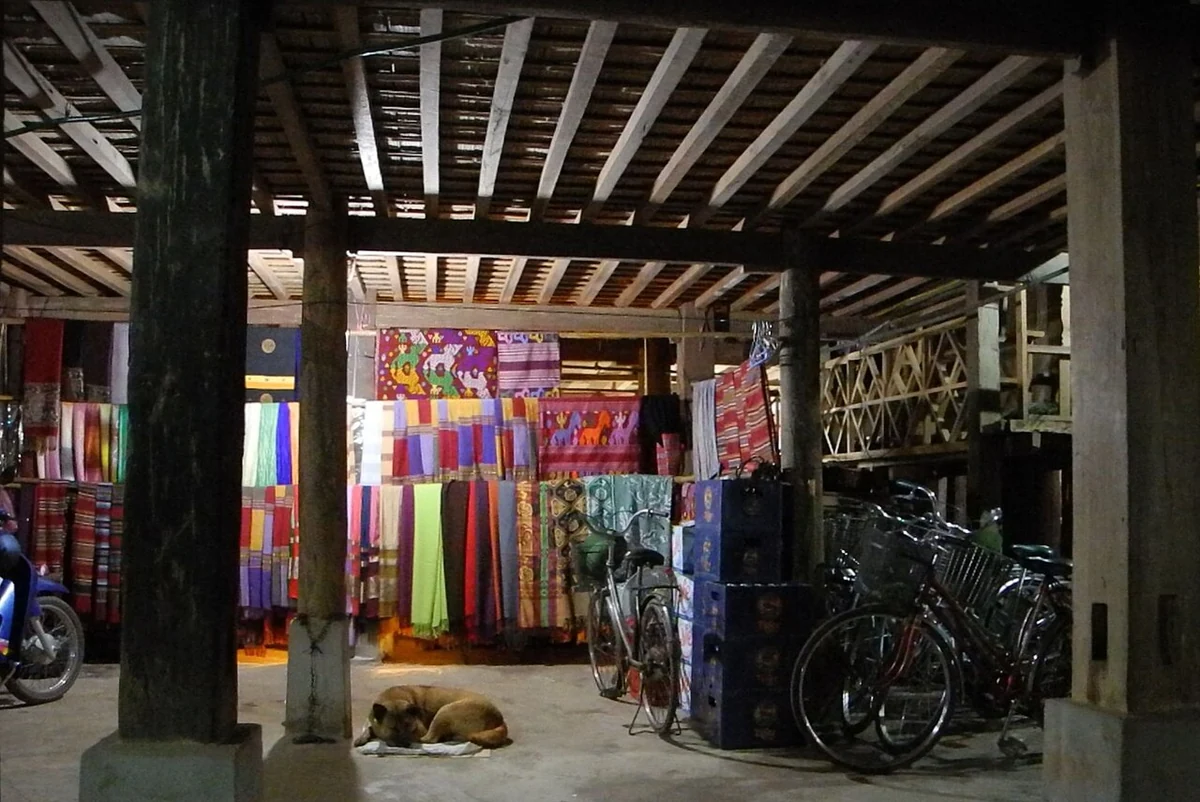

Read the structure from outside first
National tourism descriptions identify the stilt-house setting of White Thai communities in Lac and Pom Coong and describe timber and bamboo elements. From a public position, notice the raised floor, supporting posts, approach stair and openings rather than trying to assign a symbolic meaning to every beam. Materials and finishes differ between houses, and visible age is not a reliable measure of a building’s history. A host can tell you whether parts have been replaced, whether the house was moved or which spaces were altered for visitors. This is more accurate than assuming all houses follow one design. Houses on stilts also occur among several communities in northern Vietnam, so the form alone should not be used to identify a family’s ethnicity or beliefs.
The space below tells a story of adaptation
Older national descriptions mention storage or livestock beneath traditional living floors, while tourism accounts describe some spaces being used for goods and visitor services. These are examples of changing use, not a sequence that every family must have followed. A shaded area may now hold a table, loom, shop or household equipment. Ask what that particular family does there and whether the visible business belongs to the household. Recent provincial reporting describes residents adapting houses for accommodation and income while retaining cultural elements. A new bathroom or modern wall does not automatically erase that story. Conversely, a picturesque exterior does not prove that a room is an old family sleeping space. Notice how practical needs and guest expectations have been negotiated within the building.
Cross the threshold by invitation, not assumption
The stair is a connection between public approach and domestic life. Before climbing, ask whether the family is receiving visitors and who should accompany you. Once invited, let the host show where to remove footwear, sit and place a bag; do not present a rule read elsewhere as a correction to the household. Some parts of a home may be used for worship, sleeping or storage and need not be photographed or explained to outsiders. If you are curious about an object or practice, ask a neutral question and allow the answer to remain short. Do not borrow detailed beliefs or gender rules from a different Thai community and apply them here. A respectful introduction should make room for differences between families, generations and the uses of the house today.
What a night in the house can teach you
Sleeping in a stilt house can reveal how sound, shared space and daily routines shape the experience. Footsteps across a floor, early household activity or a common balcony may be part of that night, but no particular atmosphere is guaranteed. Before booking, check where you will actually sleep and the relationship between the bed, bathroom and stairs. If someone cannot manage the entrance, ask about another room rather than relying on the word homestay. A private room can still belong to a family business, while a shared floor may offer little contact if the hosts are busy. The architectural experience is richest when you understand how the place is used and respect its limits, not when you select the most rustic-looking option regardless of the comfort your group needs.
Ask VietnamGuide AI
Ask VietnamGuide AISources
- 1. vietnamtourism.vn/en/index.php/tourism/items/1393
Source checked:
- 2. baophutho.vn/mai-chau-phat-trien-du-lich-ben-vung-260577.htm
Source checked:
- 3. baophutho.vn/giu-hon-van-hoa-thai-giua-dai-ngan-262844.htm
Source checked:
Explore more
- Cycling Mai Chau: build a village-and-rice-field loop that fits your group
Plan a flexible Mai Chau bicycle outing around Lac, Pom Coong and usable public field-edge lanes, with practical bike checks and a clear way back.
- Mai Chau textiles: follow the thread before buying the souvenir
Understand Thai weaving in Mai Chau, from thread preparation and looms to a possible Nhot village visit and clear questions about a finished textile.
- Mai Chau in two days: a gentle village stay with time to breathe
A realistic two-day Mai Chau plan centred on village lanes, a comfortable room, hosted meals and a short second-morning outing.