Travel guide
Chantarangsay and Dong Du Mosque: name the community correctly
Khmer Buddhist heritage and Muslim worship differ; ask each place’s guidance rather than assuming identical customs.
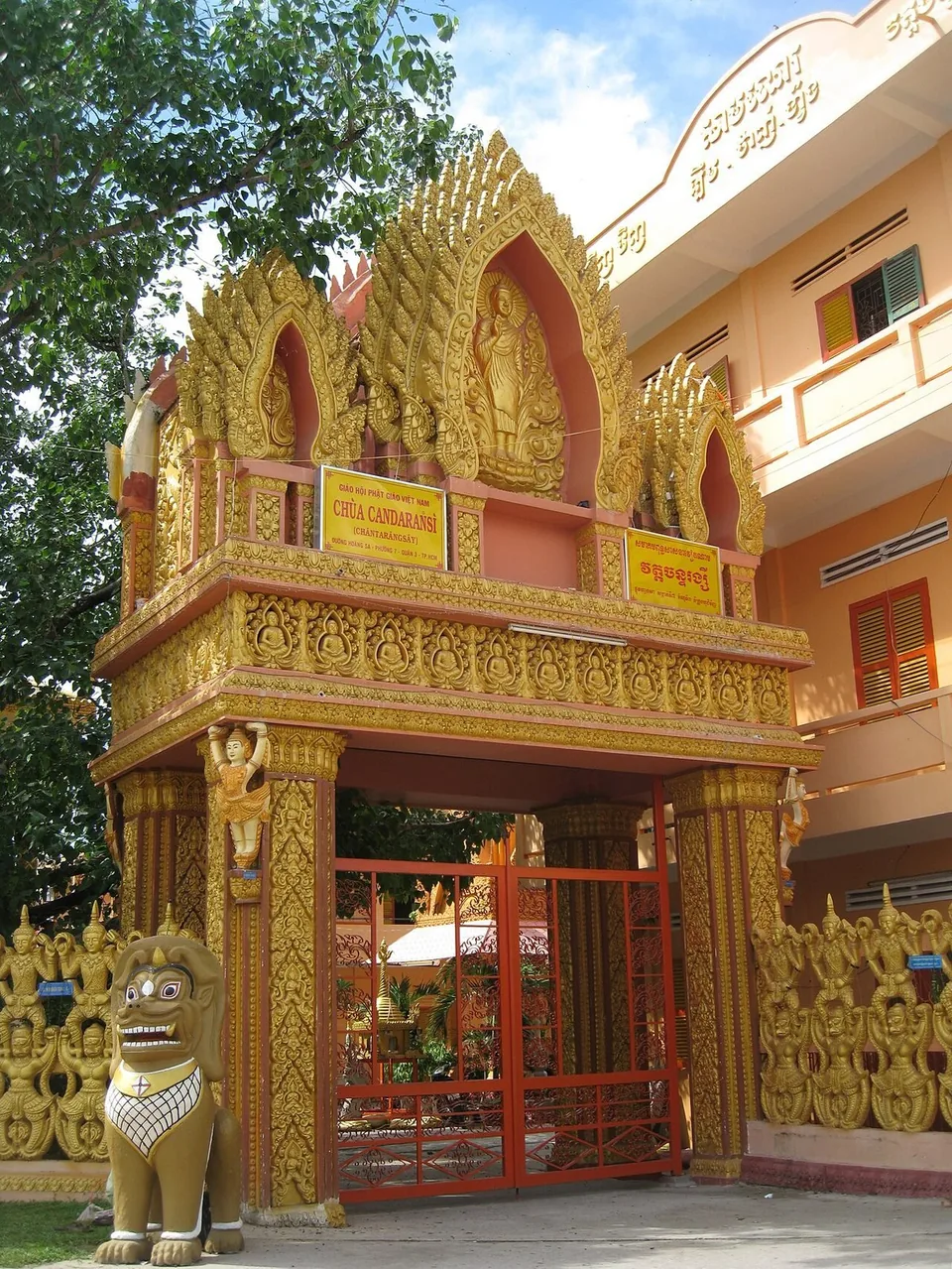

Chantarangsay Pagoda: Khmer Buddhist heritage beside the canal
Giác Ngộ, the newspaper of the city’s Buddhist Sangha, records that Lâm Em founded the pagoda in 1946. The account describes its place in Khmer Buddhist community life. That foundation date identifies the institution’s beginning; it should not be used to date every structure now on the grounds. When comparing names in a map or guide, keep Chantarangsay and Candaransi together so that one site does not become two entries in an itinerary. The verified source supports the Trường Sa canal-side setting, without requiring an invented street number or a current administrative label.
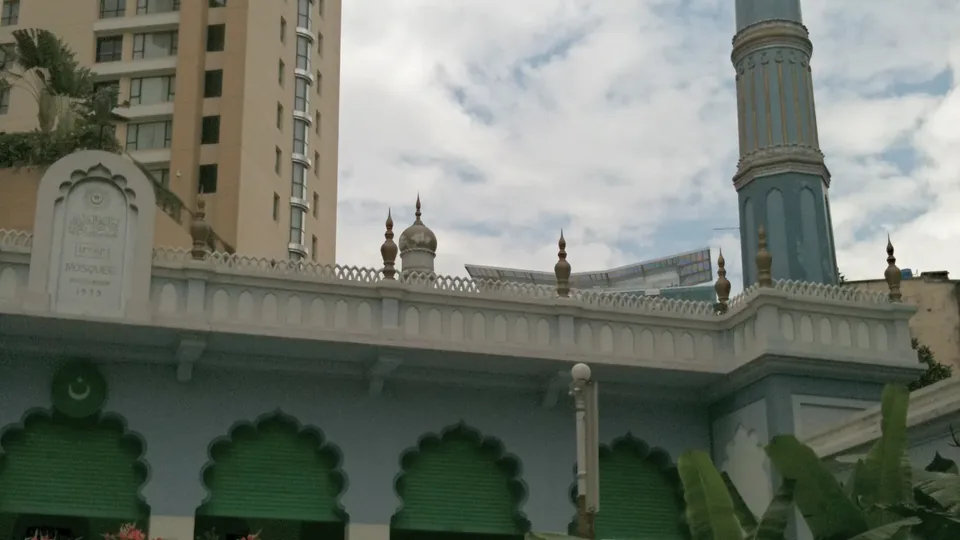

Saigon Central Mosque: Dong Du identity and living worship
A Voice of Vietnam report published on 25 March 2026 identifies Saigon Central Mosque as also known as Jamia Al-Musulman Mosque or Đông Du Mosque, at 66 Đông Du Street. Those alternative names help connect different map or written references to the same site. Do not confuse it with the separately identified Jamiul Muslimin Mosque on Nguyễn Văn Trỗi Street simply because the names look similar. When making a plan, retain both the street address and the exact mosque name rather than using “Saigon mosque” as if it identified only one institution.
Choose the experience that fits
| Choice | What to consider |
|---|---|
| Chantarangsay Pagoda: Khmer Buddhist heritage beside the canal | The source is an April 2025 account with photographs and architectural context. It establishes the identity and described features, but not today’s opening hours, ceremony schedule or access to every space. Ask attendants which areas may be visited, especially when worship is taking place, and request permission before photographing people. An exterior or permitted-ground visit can still focus on the canal setting and Khmer design vocabulary without requiring entry everywhere. For a broader itinerary, connect this specific interest with the published city history walk, leaving room to compare religious traditions without treating one site as a substitute for all the others. |
| Saigon Central Mosque: Dong Du identity and living worship | Voice of Vietnam describes the mosque as a worship place for local and visiting Muslims. Keep that function central when deciding what you want from the visit: religious practice and looking at architecture are different needs. For any non-worship visit, ask the site about suitable arrangements and any photography before assuming entry. The source does not establish a prayer timetable, admission policy, access to particular rooms or permission to photograph people. Nor does a nearby food business become certified halal because of its proximity to the mosque. The report was read on 17 October 2026; this guide uses its named-site history and architectural identity, not a promise of current visitor services. |
Ask VietnamGuide AI
Ask VietnamGuide AISources
Explore more
- Metro or sightseeing bus in Ho Chi Minh City?
Are you reaching an address or observing the city en route? Separate those goals before comparing routes and stops.
- Book street, theatre or City Hall: outside is not inside
A fine facade promises neither a programme nor entry. Choose a street stroll, reading or a separately confirmed activity.
- One Ho Chi Minh City museum: choose the question first
Historical collections, city life or testimony of war? Choose a subject rather than ranking three museums on one scale.