Travel guide
Saigon through temple names: Xa Loi and Chantarangsay
Two places of worship open different community stories and Buddhist histories within the city.
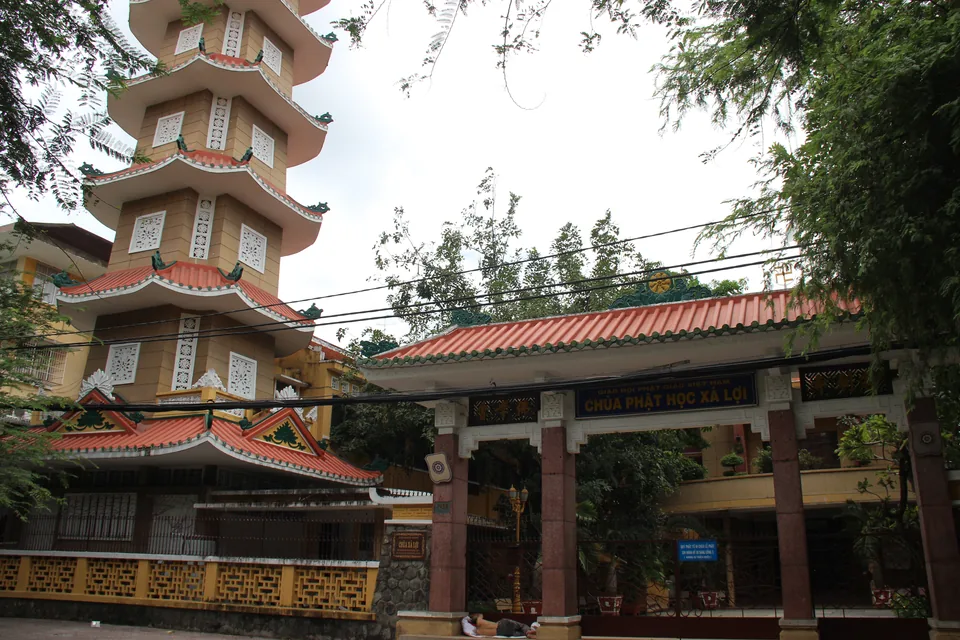

A perspective for your choice
Xa Loi’s name points towards relic worship; Chantarangsay places a visit within Khmer Theravada tradition. Asking why each place exists takes attention beyond roof colours towards the communities that continue to care for these spaces.
Xa Loi Pagoda: relic worship and a modern Buddhist landmark
Xa Loi Pagoda at 89 Bà Huyện Thanh Quan is a useful choice if you want to understand a twentieth-century Buddhist landmark rather than another colonial building. Its name is connected with Buddhist relics. The national tourism authority explains that the Southern Vietnamese Buddhist association organized construction to house Buddha relics; the religious purpose is central to reading the site.
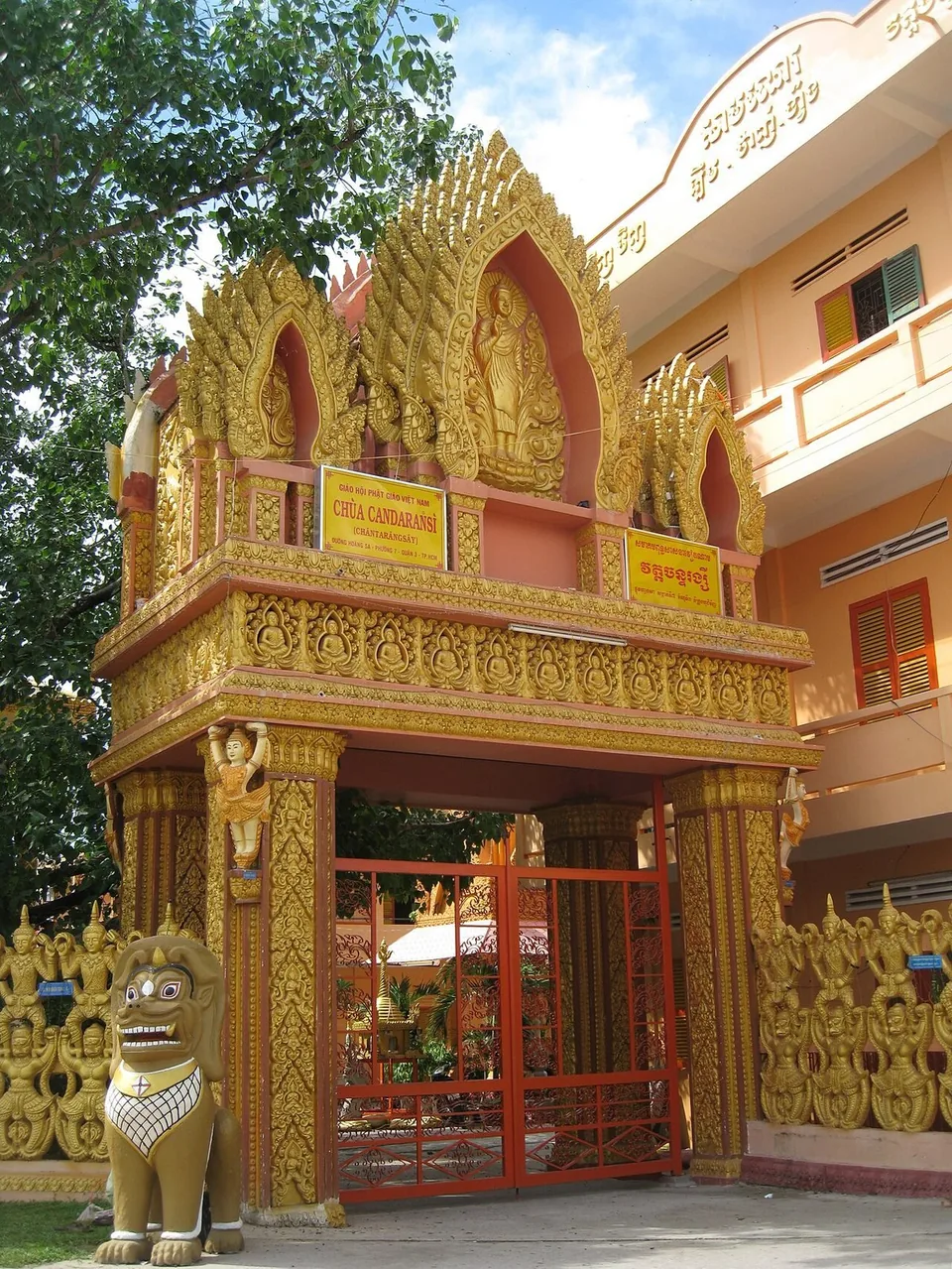

Chantarangsay Pagoda: Khmer Buddhist heritage beside the canal
Chantarangsay Pagoda and Candaransi are names for the same Khmer Theravada Buddhist place in Ho Chi Minh City. Its setting beside the Nhiêu Lộc canal on Trường Sa gives travelers a different religious and streetscape context from a city-centre church or memorial. The strongest reason to choose this stop is its particular community tradition, not an assumption that all pagodas in the city represent the same form of Buddhism.
Choose the experience that fits
| Choice | What to consider |
|---|---|
| Xa Loi Pagoda: relic worship and a modern Buddhist landmark | Confirm which areas are open to non-worshipping visitors and whether stairs affect the route you can use. Ask before photographing people at prayer or the interior, and follow instructions around sacred objects. If you need step-free access, a guided explanation or a particular language, clarify it before travelling rather than assuming provision. Stable identity and architectural context were checked in October 2026. Current entry, opening arrangements and any services require confirmation; no fee or schedule is promised here. Use the street address, since legacy tourism pages retain former administrative labels. |
| Chantarangsay Pagoda: Khmer Buddhist heritage beside the canal | The source is an April 2025 account with photographs and architectural context. It establishes the identity and described features, but not today’s opening hours, ceremony schedule or access to every space. Ask attendants which areas may be visited, especially when worship is taking place, and request permission before photographing people. An exterior or permitted-ground visit can still focus on the canal setting and Khmer design vocabulary without requiring entry everywhere. For a broader itinerary, connect this specific interest with the published city history walk, leaving room to compare religious traditions without treating one site as a substitute for all the others. |
| Try this | At each site look for one community fact and one religious purpose; ask a responsible host if you need further explanation. |
Ask VietnamGuide AI
Ask VietnamGuide AISources
- 1. vietnamtourism.vn/index.php/tourism/items/258
Source checked:
- 2. csdl.vietnamtourism.gov.vn/dest/
Source checked:
- 3. giacngo.vn/anh-chantarangsay-ngoi-chua-phat-giao-nam-tong-khmer-giua-long-tphcm-post75440.html
Source checked:
Explore more
- Saigon beyond pink walls: Tan Dinh, Notre Dame and parish life
Seeing churches as places being cared for makes architectural observation meaningful even from outside.
- Saigon crisp from pan or grill: bot chien and grilled rice paper
Two snacks show how crispness can emerge from different preparations and ways of eating.
- A Mekong skill to take home: from wrapping cakes to cooking
Banh xeo, banh cong and a suitable cooking session connect tasting with something you can learn to do.