Travel guide
Why Tràng An is a UNESCO heritage landscape
Tràng An’s UNESCO identity is broader than a boat ticket or one photogenic cave. The landscape was inscribed in 2014 as a mixed cultural and natural World Heritage property. Read it as a relationship between rock, water and people, then use your visit to notice those connections rather than merely collect views.
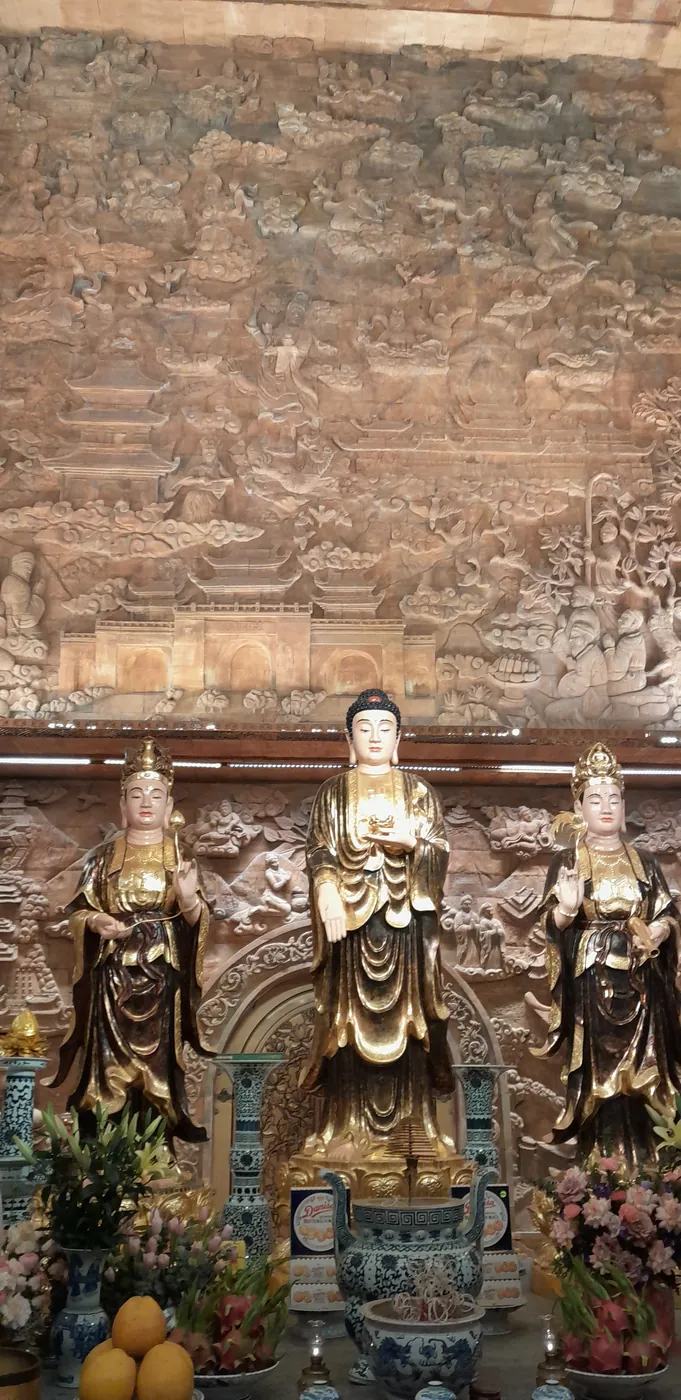
Reference photo: Hoa Lư — carved figures. Context illustration; does not establish the featured place, service or present conditions. ·

Look at the shape of the land
UNESCO highlights limestone towers, enclosed valleys and connected cave waterways. From a permitted route, compare a steep rock wall with a valley floor: water and stone have shaped spaces that feel separate yet connect underground. You do not need to enter an unmarked cave to appreciate this. Stay with the authorised route, and ask your guide which visible landforms help explain the landscape.
Remember the human timescale
Archaeological evidence documents more than 30,000 years of human use and adaptation. That does not mean every cave visited by boat contains an open archaeological display. Think instead about changing environments and the practical choices people faced about shelter, food and water. Ask for interpretation that distinguishes excavated evidence from legend. Never pick up shells, fragments or stones as souvenirs from a heritage site.
Separate heritage from a single attraction
The listed landscape includes cultural and natural places, not simply one departure pier. A boat journey can introduce its setting; a carefully interpreted visit to Hoa Lư ancient capital adds a different historical layer. You do not have to visit every component in a day. Choose a question that interests you and leave time to listen, rather than assume more stops produce a better understanding.
Protect a living landscape
Treat villages, fields and sacred places as places people use, not outdoor stage sets. Keep to permitted paths, do not touch cave formations or inscriptions, and take rubbish back to disposal points. Follow staff decisions when routes change because of conditions. Conservation is part of the experience: a smaller, slower visit that respects local work and site limits can reveal more than chasing unrestricted access to every corner.
Ask VietnamGuide AI
Ask VietnamGuide AISources
- 1. whc.unesco.org/en/list/1438
Source checked:
Explore more
- Ninh Bình in rain: a practical backup day
Separate a passing shower from unsafe conditions, then choose a short visit or a comfortable indoor pause.
- Rice and lotus in Ninh Bình: plan for a season
Use seasonal ranges as a starting point, then check the actual field or pond before choosing a trip date.
- One full day in Ninh Bình: boat first, one land stop
Use a full local day for Tràng An, lunch and one afternoon choice, with a firm return plan and a weather fallback.