Travel guide
Mai Chau stilt houses and Ede longhouses: space changes with families
Notice living floors, stairs and present-day uses before asking a host about the home. Two regional traditions illuminate adaptation without merging their communities into one.
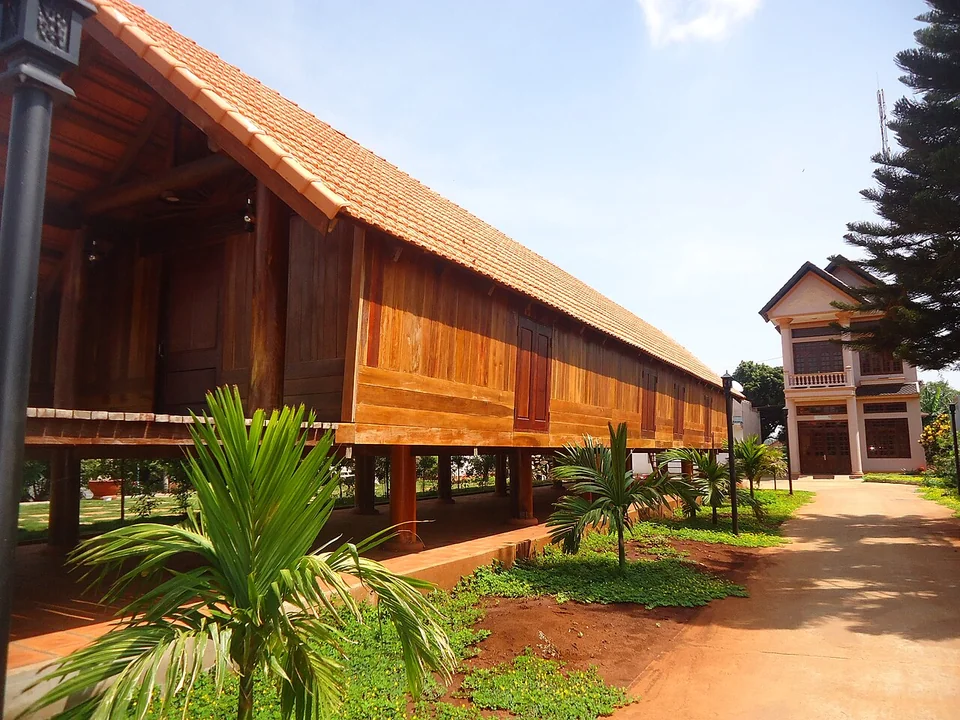

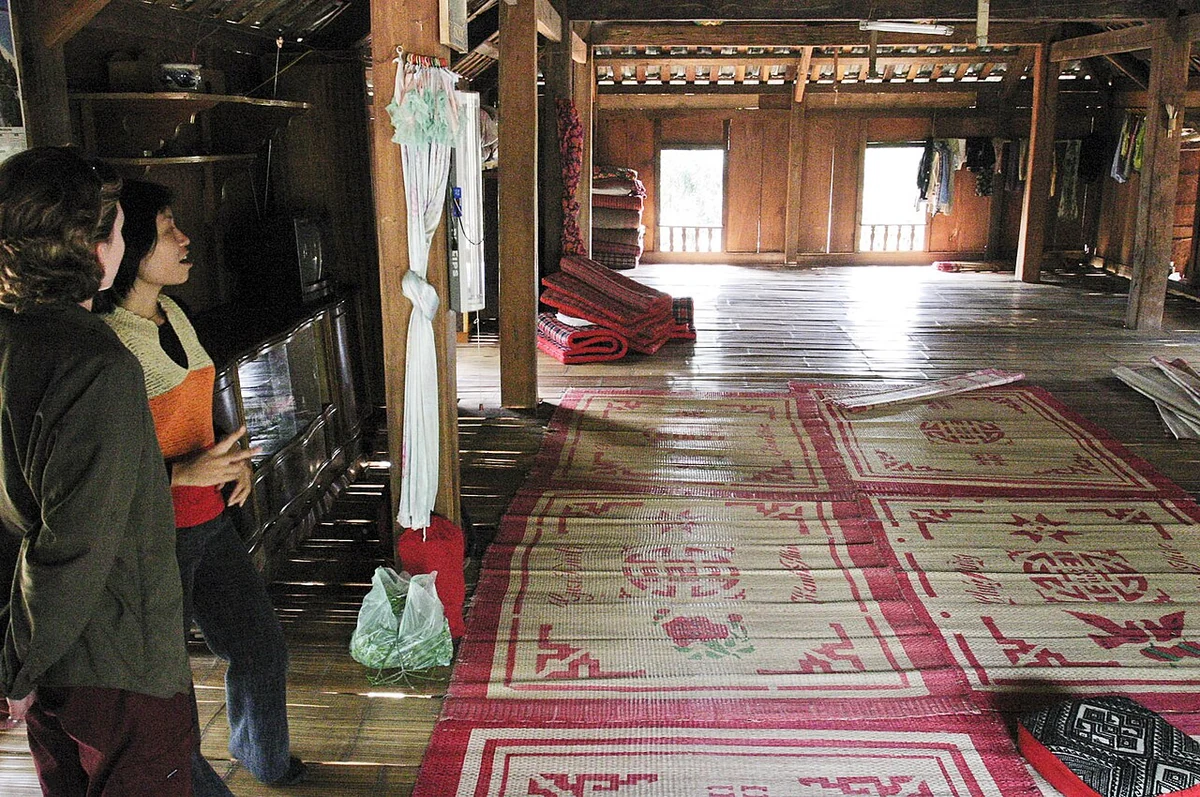

Mai Chau stilt houses: understand the building before stepping inside
Older national descriptions mention storage or livestock beneath traditional living floors, while tourism accounts describe some spaces being used for goods and visitor services. These are examples of changing use, not a sequence that every family must have followed. A shaded area may now hold a table, loom, shop or household equipment. Ask what that particular family does there and whether the visible business belongs to the household. Recent provincial reporting describes residents adapting houses for accommodation and income while retaining cultural elements. A new bathroom or modern wall does not automatically erase that story. Conversely, a picturesque exterior does not prove that a room is an old family sleeping space. Notice how practical needs and guest expectations have been negotiated within the building.
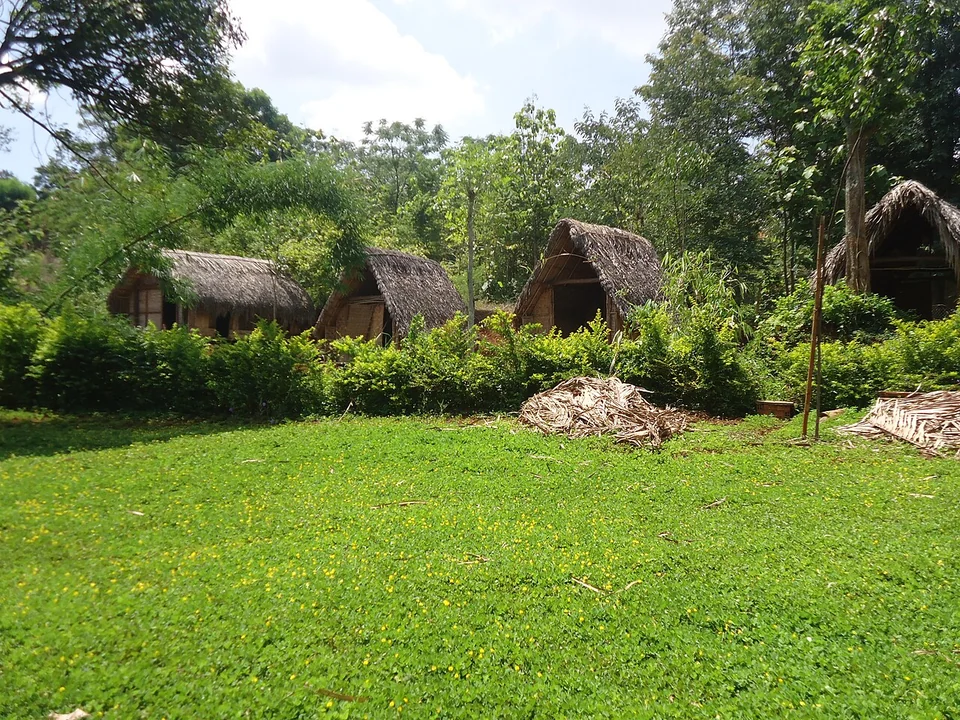

Ede longhouses: understand a home before crossing its threshold
National tourism interpretation connects the traditional longhouse with Ede matrilineal extended-family life and the possibility of extending a house as the family grew. That helps explain why length matters culturally, not only visually. It should not become a formula for guessing the current number of residents from the roof. Contemporary households may live differently, and a building used for hospitality may interpret an older spatial idea rather than reproduce every historical arrangement. Ask the host which parts belong to the family’s memory and which have changed. A conversation about adaptation is often more revealing than an unsupported claim that nothing has altered for centuries.
Choose the experience that fits
| Choice | What to consider |
|---|---|
| Mai Chau stilt houses: understand the building before stepping inside | Sleeping in a stilt house can reveal how sound, shared space and daily routines shape the experience. Footsteps across a floor, early household activity or a common balcony may be part of that night, but no particular atmosphere is guaranteed. Before booking, check where you will actually sleep and the relationship between the bed, bathroom and stairs. If someone cannot manage the entrance, ask about another room rather than relying on the word homestay. A private room can still belong to a family business, while a shared floor may offer little contact if the hosts are busy. The architectural experience is richest when you understand how the place is used and respect its limits, not when you select the most rustic-looking option regardless of the comfort your group needs. |
| Ede longhouses: understand a home before crossing its threshold | Arrange a host-led explanation if architecture is a main interest, and allow enough time for questions about repair, changing needs and the work of maintaining the building. Confirm the hosting fee and whether translation is included; there is no single admission price for every household. People with difficulty climbing steps should ask about exterior viewing or another suitable setting instead of assuming assistance will solve the access. A good visit can remain outside if necessary. What matters is leaving with a better understanding of the relationship between house, family and community, while allowing the residents to keep control of their own space. |
Ask VietnamGuide AI
Ask VietnamGuide AISources
- 1. vietnamtourism.vn/en/index.php/tourism/items/1393
Source checked:
- 2. baophutho.vn/mai-chau-phat-trien-du-lich-ben-vung-260577.htm
Source checked:
- 3. baophutho.vn/giu-hon-van-hoa-thai-giua-dai-ngan-262844.htm
Source checked:
- 4. dantoc.vietnamtourism.gov.vn/kham-pha-ben-trong-ngoi-nha-dai-truyen-thong-cua-dan-toc-e-de/
Source checked:
- 5. scov.gov.vn/ban-sac-van-hoa/huyen-bi-nhung-chiec-cau-thang-nha-dai-cua-nguoi-e-de.html
Source checked:
Explore more
- Mai Chau from raised floor to loom: everyday life through materials
Notice how a stilt house connects living space and village lane, then follow a weaving stage. Timber, bamboo and thread reveal daily life through a maker’s explanation.
- A valley night: a shared table or your own quiet space?
Mai Chau and Ta Van invite slower stays, but a homestay label does not describe the evening. Choose the welcome and time you want before choosing a room photograph.
- Hoi An through ceramics: sea trade and a courtyard dragon
A vessel opens a story of maritime trade; a ceramic dragon draws you into a communal courtyard. Pair these perspectives with the present-day market.