Travel guide
Ea Kao lake: an afternoon beside Buon Ma Thuot’s working waters
Ea Kao offers a different rhythm from a waterfall excursion. Here the scene is a broad surface of water, a changing line of shore and the landscape that depends on the reservoir. Come for an unhurried afternoon near Buon Ma Thuot, with enough time to watch the light rather than chase a list of activities.
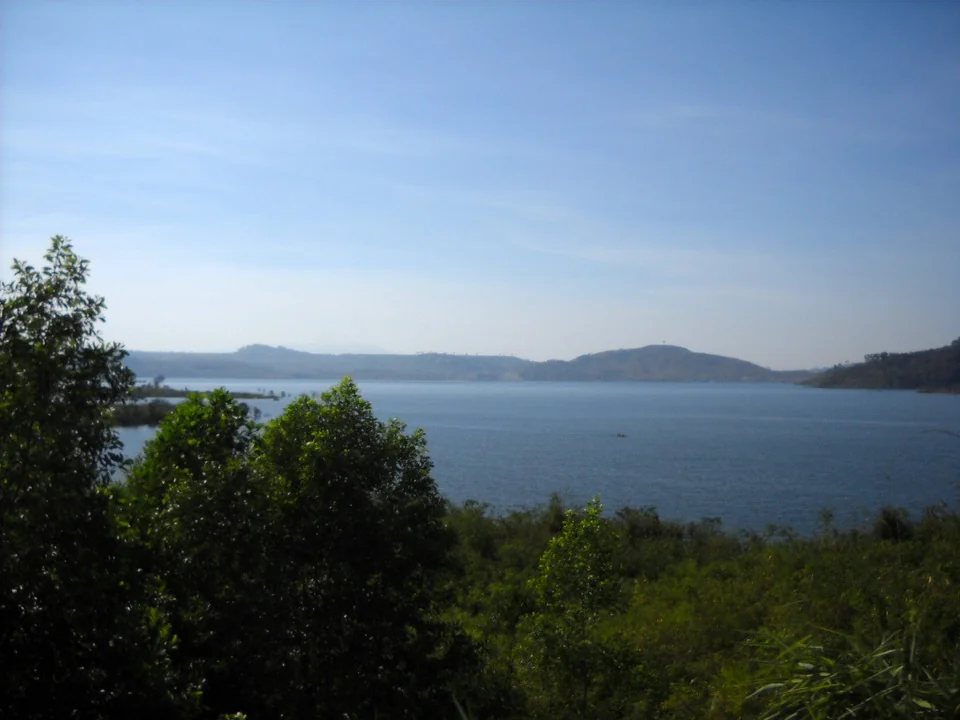

A lake made by people, not a natural basin
Dak Lak Museum describes Ea Kao as an artificial reservoir brought into use in 1983, formed by holding back local streams to irrigate agricultural land. This origin is central to its character. Water reaches beyond the view you photograph, supporting fields and livelihoods around the city. The museum also records the substantial labour contributed by local communities. Looking at the shore with that history in mind makes a visit more interesting than treating it as an empty scenic backdrop. It is a working water landscape, so its water level and shore appearance need not match a photograph from another season.
Find a shore view instead of trying to circle everything
Ask your accommodation or driver for a currently accessible public approach and a sensible place to stop. Start with one stretch where you can see water meeting land, then decide whether to walk farther. A map’s continuous blue outline does not imply a public path around the entire lake; farms, private plots and working infrastructure can interrupt access. Look for layers in the view: foreground grasses or earth, the lake surface and the distant tree line. These give a sense of place even without a spectacular sunset. Avoid stepping onto planted ground or blocking people who are working along the shore.
Listen to the names and the stories
The museum’s account connects the name Ea Kao with local Ede language and preserves stories attached to nearby streams. These are reminders that the reservoir sits within an older inhabited landscape, not a recently discovered tourist scene. If you have a local host, ask how the lake fits into the community’s daily life and which stories they want to share. Do not assume every person nearby is a guide or is available for a conversation. The best cultural detail often comes from a willing exchange, and stories should be introduced as stories rather than presented as scientific explanations of the water.
Build a gentle afternoon around light and rest
A lakeside outing can be as simple as a short walk, a seated pause and a drink at a venue whose opening you have checked. Choose your stopping point before the light fades so the return does not depend on finding a new path in darkness. Reflections are strongest when the surface and weather cooperate, but ripples, cloud and exposed shore can be equally expressive. If planning a meal, ask about actual service and dietary needs rather than assuming restaurants are available along every bank. Carry water and sun protection even for a quiet visit: open shore can offer less shade than photographs suggest.
Keep the lake distinct from a resort promise
Recent local tourism discussions describe opportunities around Ea Kao, but a development proposal does not mean that every advertised facility is complete or open. Treat any boat outing, fishing activity or managed recreation as a separate service requiring current confirmation. Do not swim simply because the water looks calm: a reservoir is not automatically a bathing area. Agree the return ride and meeting point before settling in. Ea Kao is especially rewarding when the aim is modest and clear: understand a water landscape, enjoy its changing light and return to Buon Ma Thuot with a quieter impression of the highlands.
Ask VietnamGuide AI
Ask VietnamGuide AISources
Explore more
- Gia Long waterfall: find the distinct landscape behind the name
Understand Gia Long, also called Dray Sap Thuong, and plan a focused visit with confirmed access, realistic transfers and time for the forest-edge setting.
- Ko Tam: a garden visit with Ede cultural context
Explore Ko Tam as a managed ecocultural attraction near Buon Ma Thuot, reading its landscape and architecture while choosing only confirmed activities.
- Dray Nur and Dray Sap in one day: two waterfalls, two decisions
Compare Dray Nur and Dray Sap without confusing their entrances or assuming a bridge connection. Build a manageable waterfall day from Buon Ma Thuot.