Travel guide
World Coffee Museum: read the objects, not just the roof
The World Coffee Museum makes a striking first impression, but the useful question is what coffee looks like when treated as material culture. Containers, preparation tools and stories of drinking can connect a daily habit with trade, invention and taste. Arrive prepared to look closely rather than treating the building as a single photograph.
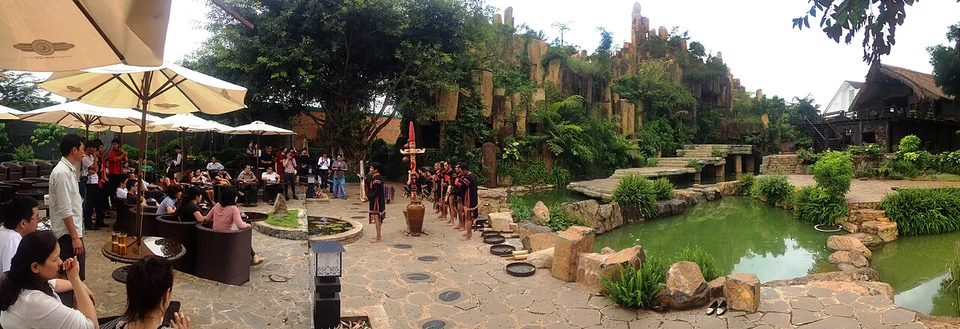

Choose an exhibition question
Begin by choosing a thread you can follow through the displays: how people grind beans, how they heat water, how coffee is served, or how a household ritual becomes a social occasion. You do not need specialist knowledge to compare two objects with different shapes. Look for the label’s place, date, material and explanation of use before deciding which one is older or more sophisticated. An attractive object may be a collector’s item rather than something used daily by every household in its country. Read the museum’s interpretation as a perspective on coffee culture, and keep marketing language separate from evidence on a label.
Distinguish the visit you are buying
The museum’s website distinguishes exhibitions, tickets, guided visits and other experiences. Before paying, ask which exhibition areas a ticket covers, whether a temporary show is included and whether a guide or tasting costs extra. Outdoor access, a cafe purchase and entry to a paid gallery should not be assumed to be interchangeable. The operator’s FAQ has displayed different opening times in its header and answer text, so confirm the current arrangement directly rather than planning a last-minute arrival around an old screenshot. Ask for the last admission time as well as closing time, especially if you intend to read labels slowly.
Look at architecture without turning it into proof
Pause outside to notice how the building’s roofline, entrances and spaces shape your approach, then compare that impression with the objects inside. Architecture can introduce an idea or create atmosphere; it does not establish that a modern museum is an ancient dwelling or that every displayed cultural tradition belongs to one community. If the architectural story interests you, ask which parts of the interpretation explain its references. Make photographs from permitted positions without blocking doors or moving furniture. Check restrictions for tripods, commercial shoots and recording in galleries; an ordinary entrance ticket is not automatically permission for every type of photography.
Make time for a meaningful pause
A workable museum-focused half-day combines an unhurried exhibition visit with one break afterward, not several rushed attractions. Let the exhibits supply a question for your coffee order: can the server explain the preparation, the roast or the difference between two menu choices? Do not assume a drink, demonstration or activity mentioned on the website is included in the ticket. For families, choose a small number of objects to discuss rather than asking children to absorb the entire collection. Visitors who need step-free access, seating or a quiet space should ask about the specific areas they plan to use before arriving.
Leave with notes rather than assumptions
Before departing, identify one object that changed your understanding and write down its label accurately. If you buy coffee or a souvenir, ask what it is, who made it and whether it can travel safely in your luggage. A museum shop can be convenient without every product being unique to the building or locally handmade. Keep the receipt and packing information for fragile purchases. Pair this visit with Dak Lak Museum on another occasion if you want broader provincial history: the coffee museum is not a substitute for that institution. This distinction helps turn two different visits into complementary experiences rather than repeated photo stops.
Ask VietnamGuide AI
Ask VietnamGuide AISources
Explore more
- Buon Ma Thuot through coffee: a city worth slowing down for
Build a Buon Ma Thuot visit around coffee, museum context and an Ede-hosted encounter, with a practical order that leaves room for local life.
- Taste robusta in Buon Ma Thuot: compare cups, not cafe rankings
A practical robusta tasting in Buon Ma Thuot: ask about beans, compare phin and milk coffee, control the variables and choose a useful bag to take home.
- A Dak Lak coffee farm visit: follow the work behind the cup
Plan an arranged coffee farm visit near Buon Ma Thuot, from flowering and ripe cherries to processing, with questions that connect scenery to growers’ work.