Travel guide
A Dak Lak coffee farm visit: follow the work behind the cup
A coffee garden changes the way a familiar drink looks. The cup becomes a shrub, a season, a decision about picking and a sequence of work before roasting. In Dak Lak, an arranged farm visit is most rewarding when you follow that chain rather than treating rows of trees as a photo background.
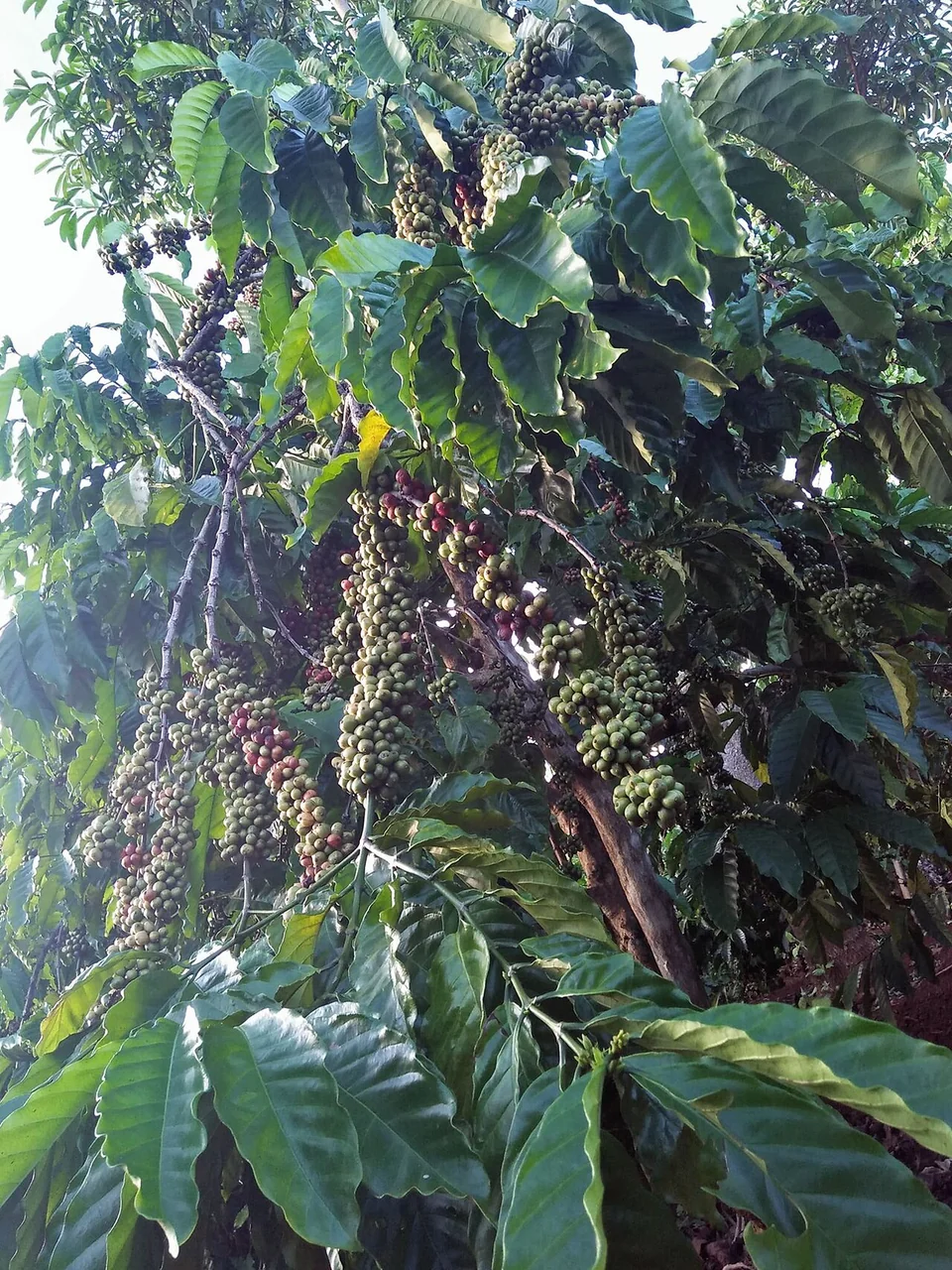

Read the garden as a working landscape
Start by asking your host to show the plant rather than the tasting table. Look at the branching, leaves and the part where fruit or flowers appear, then ask which variety grows in this particular plot. Dak Lak’s coffee story is strongly associated with robusta, but a visitor should still learn the identity of the actual trees. Ask why the grower chose this site, how shade or neighbouring crops affect the garden and what work occupies the family this week. These questions connect the landscape to decisions and labour, making a short walk more meaningful than memorising a claim about the province’s total production.
Choose flowering or harvest, not both by default
Flowering and picking offer different stories. A flowering visit is about a brief stage in the plant’s cycle, while a harvest visit can reveal how ripe fruit is selected and moved for processing. They are not interchangeable activities offered every day. Ask the farm what stage its trees will be in near your travel dates and what you could actually observe. Weather and the grower’s schedule can shift the experience; even a promising season does not guarantee a field full of flowers on your day. If no seasonal work is happening, a well-explained walk and discussion may still be worthwhile.
Trace the steps between fruit and roasted coffee
When the host can demonstrate or explain processing, follow one batch in order instead of jumping between equipment for photographs. Ask what happens after picking, which parts are removed or retained during the chosen method, and how drying is managed. A visible drying area does not mean all farms process coffee identically. Compare the appearance and smell of material at different stages only when handling is permitted, and keep food or dirty shoes away from production surfaces. Roasting and brewing are later stages: the beans in your tasting cup may come from an earlier crop rather than fruit you just saw on the tree.
Arrange a visit that works for the host
Some farms promote visitor experiences, but a roadside garden is not automatically open to the public. Contact a host or an established tour organiser, explain whether you want a walk, a processing explanation or a tasting, and confirm the meeting location. Ask about language, group size, footwear and the ground conditions rather than assuming a paved route. During busy work, stand where instructed and avoid touching irrigation lines, machinery or fruit without permission. If invited to try a task, treat it as supervised learning rather than productive farm labour you can improvise. Pay for the agreed hosting, not only for a bag of coffee.
Bring the story back to your kitchen
End by matching the farm explanation with the product being sold. Ask whether the bag comes from this farm, who processed and roasted it, and what preparation method the seller recommends. You may enjoy hearing why two lots from one garden differ instead of expecting one universal farm flavour. Keep a note of the variety, processing and roast so the memory survives after the bag is opened. Consider packaging and your brewing equipment before buying a large quantity. A good visit leaves you able to explain one route from tree to cup in your own words, while recognising that another grower may make different choices.
Ask VietnamGuide AI
Ask VietnamGuide AISources
- 1. dsvh.gov.vn/tri-thuc-trong-va-che-bien-ca-phe-dak-lak-22235
Source checked:
- 2. aeroco.vn/
Source checked:
Explore more
- Taste robusta in Buon Ma Thuot: compare cups, not cafe rankings
A practical robusta tasting in Buon Ma Thuot: ask about beans, compare phin and milk coffee, control the variables and choose a useful bag to take home.
- Dak Lak Museum: the best first questions for a highland journey
Use Dak Lak Museum in Buon Ma Thuot to connect biodiversity, community life and history before visiting villages, coffee gardens or forest landscapes.
- World Coffee Museum: read the objects, not just the roof
Visit the World Coffee Museum in Buon Ma Thuot with a clear plan for exhibits, architecture, ticket inclusions and a coffee stop that adds understanding.