Travel guide
Dray Nur waterfall: make time for the water and the landscape
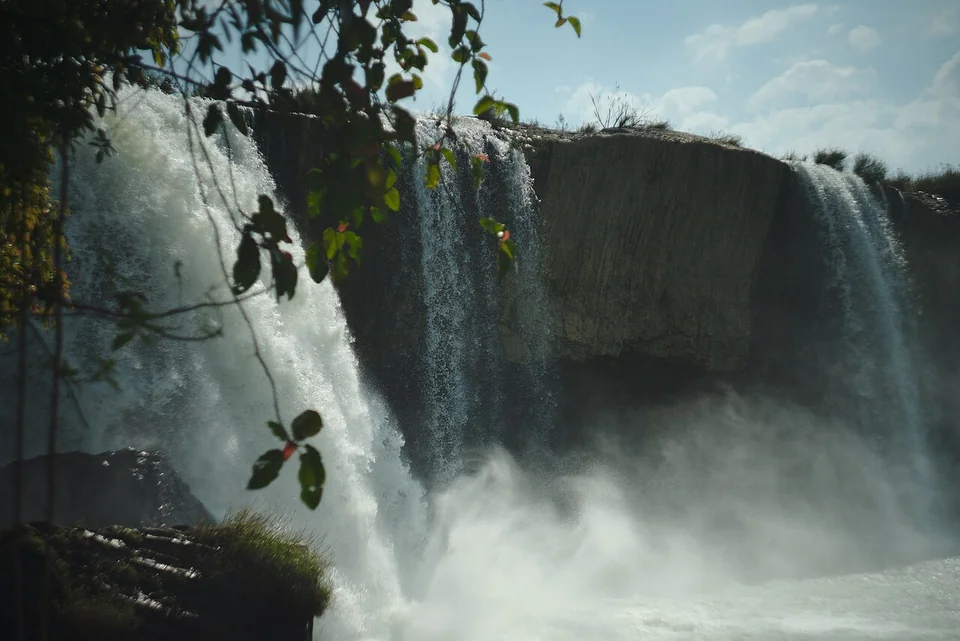
Dray Nur announces itself through sound before the whole curtain of water comes into view. The rewarding visit is not a race to the closest rock: it is a chance to watch a major river meet a broken landscape. Give the waterfall a generous half-day from Buon Ma Thuot, with room to stop, walk carefully and return without chasing an overfilled schedule.

Understand which waterfall you are visiting
Dray Nur is a recognised scenic site in the Srepok river landscape, associated with Buon Kuop. Nearby names can confuse a first visit: Dray Sap is another waterfall, while Dray Sap Thuong is also called Gia Long. They should not be treated as three labels for one ticket or one viewpoint. Send the exact Dray Nur destination pin to your driver and ask which entrance is intended. A scenic-site description establishes the identity of the place, but does not establish which paths, activities or neighbouring connections are operating on your travel date.
Let the viewpoint reveal the scene
Begin at the managed visitor approach and ask staff which viewing areas are open that day. At the first clear outlook, pause to see how the river spreads across the rock before moving towards a closer angle. A wider view often communicates the scale better than standing directly in the spray. Keep a clean cloth and a waterproof pouch accessible; water droplets on a phone can spoil the photograph long before the device appears wet. For children or anyone uncomfortable with steps, agree an early turning point rather than assuming every member must reach the same place.
Read the conditions rather than the calendar
Waterfall photographs taken in different months can look like different places. Rainfall, upstream conditions and the day’s weather affect the experience, so an online picture is not a promise of a particular flow, colour or rainbow. Ask about recent conditions shortly before leaving the city. Stronger water can be impressive from an approved lookout while making lower areas less suitable. Even in apparently gentle conditions, avoid bathing, entering pools or crossing exposed river rocks unless a specific authorised activity has been assessed and supervised locally. A ticket is not permission to enter the river.
Build the half-day around one main stop
Arrange the outward and return journey together, including waiting time and the exact meeting point. Confirm whether the quote includes admission, parking, meals and any guide; do not compare two prices before comparing those details. Take drinking water and footwear with grip, and leave room for a simple meal or coffee after the visit. Adding a village or another waterfall should follow confirmed access and your actual energy, not a map’s apparent proximity. If you arrive late, one measured Dray Nur stop is more satisfying than collecting several gates with little time at the water.
Leave the falls with a quieter footprint
Stay on authorised paths and give other visitors space at narrow viewing points. Do not move barriers, climb roots or ask a companion to stand on an edge for scale. Keep music low and carry packaging back out. A local guide can help distinguish river geography from stories told about it; enjoy legends as cultural narratives rather than evidence about geology. Before departing, check that everyone has the same return vehicle details. Dray Nur works well as a focused landscape outing, with the city’s museums and coffee life saved for a separate part of the day.
Ask VietnamGuide AI
Ask VietnamGuide AISources
- 1. daklak.gov.vn/-/di-tich-quoc-gia
Source checked:
- 2. daklak.gov.vn/-/cac-iem-tham-quan-du-lich
Source checked:
Explore more
- Dray Nur and Dray Sap in one day: two waterfalls, two decisions
Compare Dray Nur and Dray Sap without confusing their entrances or assuming a bridge connection. Build a manageable waterfall day from Buon Ma Thuot.
- Gia Long waterfall: find the distinct landscape behind the name
Understand Gia Long, also called Dray Sap Thuong, and plan a focused visit with confirmed access, realistic transfers and time for the forest-edge setting.
- Buon Ma Thuot on foot: a city walk with room to look closely
Explore central Buon Ma Thuot around the Victory Monument, a carefully chosen museum extension and a local pause, with practical crossing and route decisions.