Travel guide
Dak Lak homes: read the community, do not guess from roofs
Use verified place and community names; a house photograph establishes neither residents’ identity nor an invitation inside.
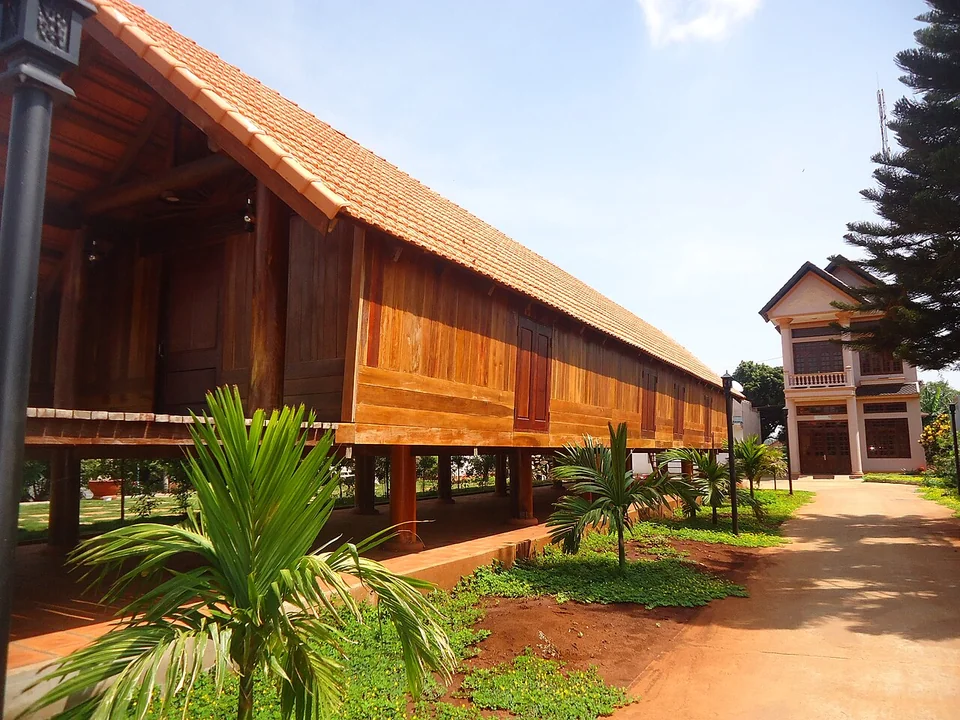

Ede longhouses: understand a home before crossing its threshold
From a permitted viewpoint, notice how the floor is raised, where stairs meet the platform and how the long sides guide your view. Compare the light below the house with the enclosed living level above, and look at the relationship between the building and its yard. These are observations you can make without walking into private space. Materials and repairs may differ from one house to another, so do not assume every visible element has the same age or construction method. If a guide explains a structural detail, ask whether it describes this particular building or a broader traditional pattern.
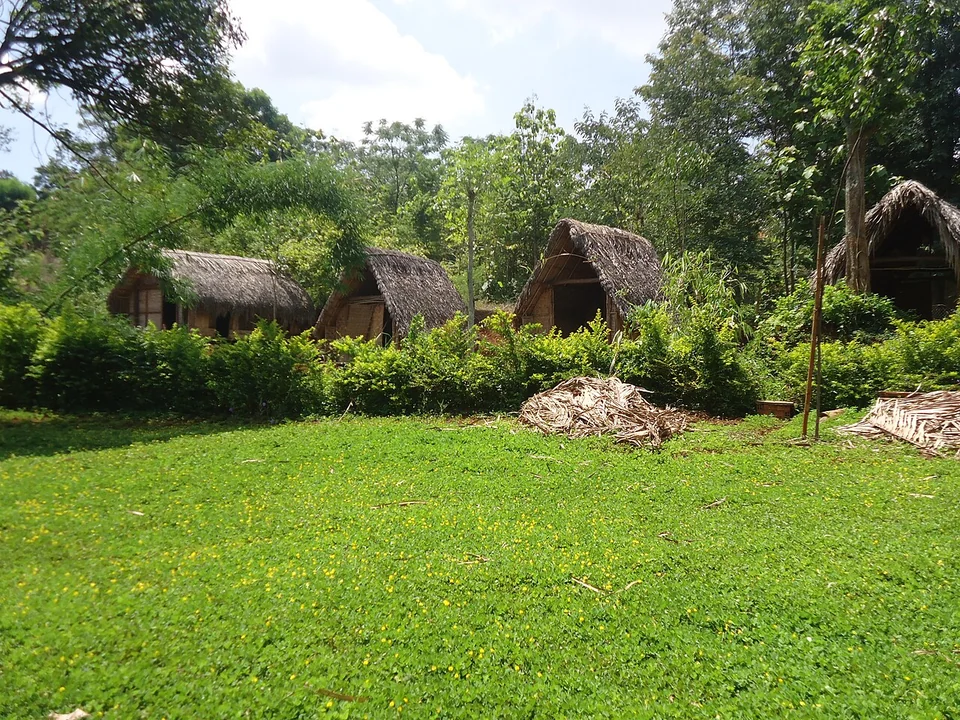

Ako Dhong: a living Ede village within Buon Ma Thuot
Begin with a slow look along the public approach: how do entrances, garden space and the length of a house differ from the street you arrived on? The contrast is a useful introduction to Ede architecture without requiring you to enter every building. Community-tourism reporting documents both preserved longhouses and houses restored or built for hospitality. Those categories can sit beside each other. A newer building need not be dismissed as meaningless, but its age and use should not be invented from appearance. Ask which house belongs to a household, which welcomes customers and what the resident wants visitors to understand about it.
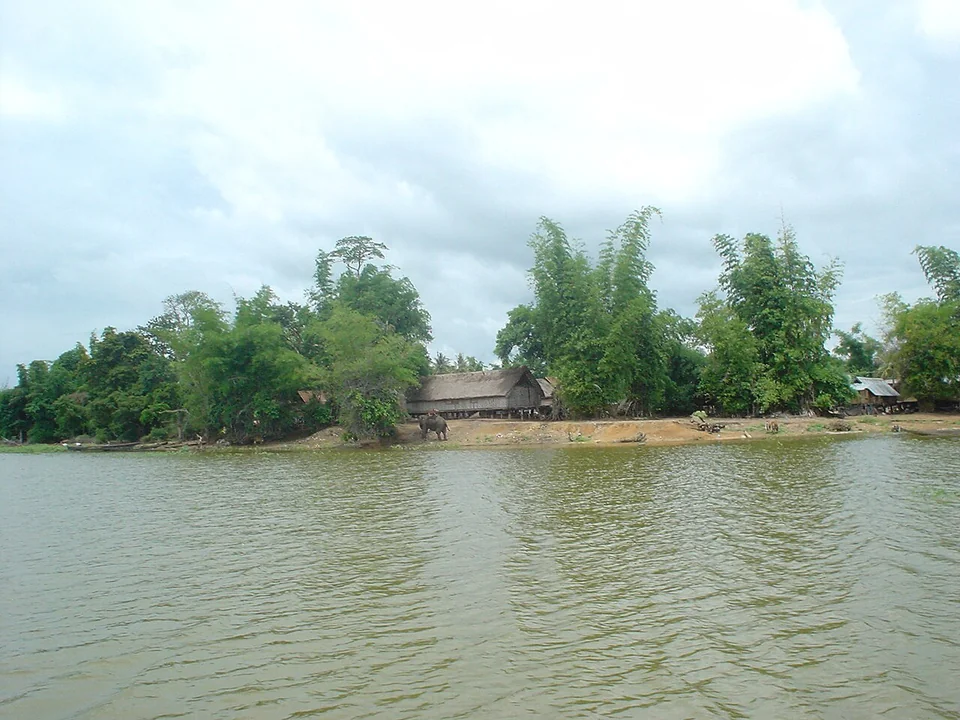

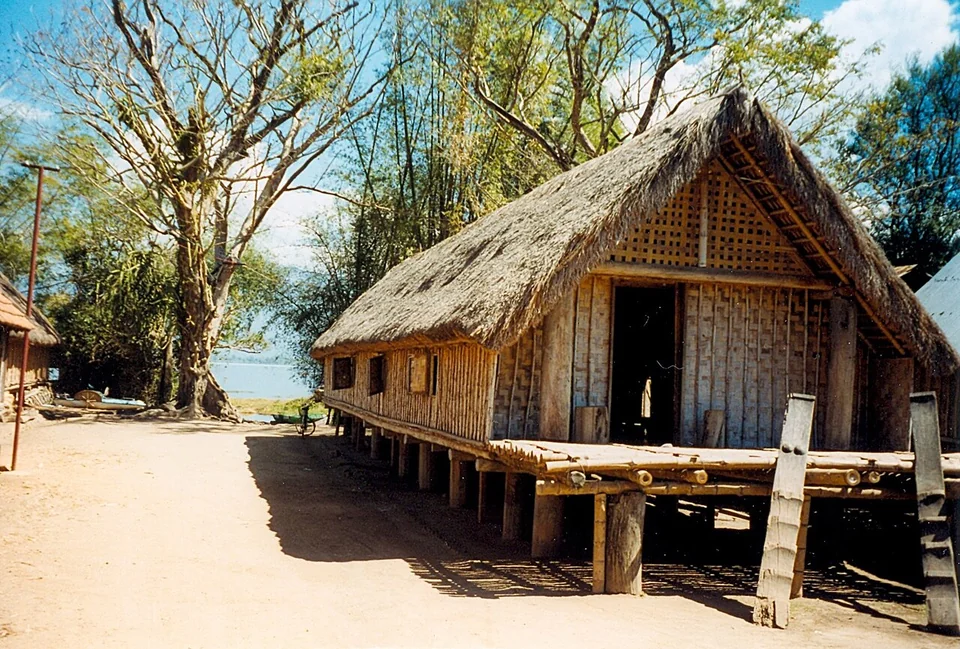

Jun village: meet the people behind the Lak Lake view
Jun is a Mnong village beside Lak Lake, and the provincial authorities announced its community-tourism destination status in December 2024. Recognition is useful context, not a ticket giving access to every house. Families still manage their own rooms, working time and boundaries. When arriving, ask where visitors should meet their contact instead of following any open staircase. Read the lane as shared space: someone may be moving goods, returning from work or supervising children. A village that receives tourists remains a place where residents have priorities unrelated to your itinerary. Give those routines room rather than demanding an uninterrupted view.
Choose the experience that fits
| Choice | What to consider |
|---|---|
| Ede longhouses: understand a home before crossing its threshold | Arrange a host-led explanation if architecture is a main interest, and allow enough time for questions about repair, changing needs and the work of maintaining the building. Confirm the hosting fee and whether translation is included; there is no single admission price for every household. People with difficulty climbing steps should ask about exterior viewing or another suitable setting instead of assuming assistance will solve the access. A good visit can remain outside if necessary. What matters is leaving with a better understanding of the relationship between house, family and community, while allowing the residents to keep control of their own space. |
| Ako Dhong: a living Ede village within Buon Ma Thuot | Ako Dhong fits naturally with a city-based programme, especially after museum context, but leave enough space for an unhurried meeting. Confirm your drop-off and return point so that vehicles do not create unnecessary congestion in residential space. Ask about steps, seating and toilets if those affect your group. Before photographing people or recording a performance, ask permission and agree whether sharing the recording is acceptable. Do not promise a public online audience on somebody else’s behalf. The strongest memory is often a small explanation that makes a house or a daily practice intelligible, not a posed image collected without a conversation. |
| Jun village: meet the people behind the Lak Lake view | After the hosted part, choose a short public walk toward a permitted shore viewpoint if weather and footing suit your group. Do not cross fields or work areas to imitate a photograph. Boat trips, performances and craft encounters require their own confirmation; they are not automatic additions to a village visit. Settle payment with the agreed person, ask before leaving a public review containing a host’s photograph and leave contact details only if both sides want to stay in touch. Jun is best remembered through a specific welcome and a clearer understanding of everyday life, rather than an idea that a whole community was on display. |
Ask VietnamGuide AI
Ask VietnamGuide AISources
- 1. dantoc.vietnamtourism.gov.vn/kham-pha-ben-trong-ngoi-nha-dai-truyen-thong-cua-dan-toc-e-de/
Source checked:
- 2. scov.gov.vn/ban-sac-van-hoa/huyen-bi-nhung-chiec-cau-thang-nha-dai-cua-nguoi-e-de.html
Source checked:
- 3. nongthon.vietnamtourism.gov.vn/dak-lak-buon-ako-dhong-phat-trien-du-lich-cong-dong/
Source checked:
- 4. bvhttdl.gov.vn/Pages/chi-tiet.aspx
Source checked:
- 5. daklak.gov.vn/-/cong-bo-iem-en-du-lich-cong-ong-buon-jun-huyen-lak
Source checked:
- 6. dantoc.vietnamtourism.gov.vn/binh-yen-ho-lak-dak-lak/
Source checked:
Explore more
- Cat Ba through work, markets and evening water
Choose public viewpoints and ask before photographing workers; an active wharf is not automatically a tourist stage.
- Yok Don and Chu Yang Sin: two ways to see a forest
Look at spacing, canopy layers and terrain; each forest setting invites a different kind of exploration.
- Hoang Su Phi: distant terraces or a closer walk?
Choose a viewpoint or permitted path; golden-field photographs establish neither harvest dates nor permission to enter fields.