Travel guide
Yok Don and Chu Yang Sin: two ways to see a forest
Look at spacing, canopy layers and terrain; each forest setting invites a different kind of exploration.
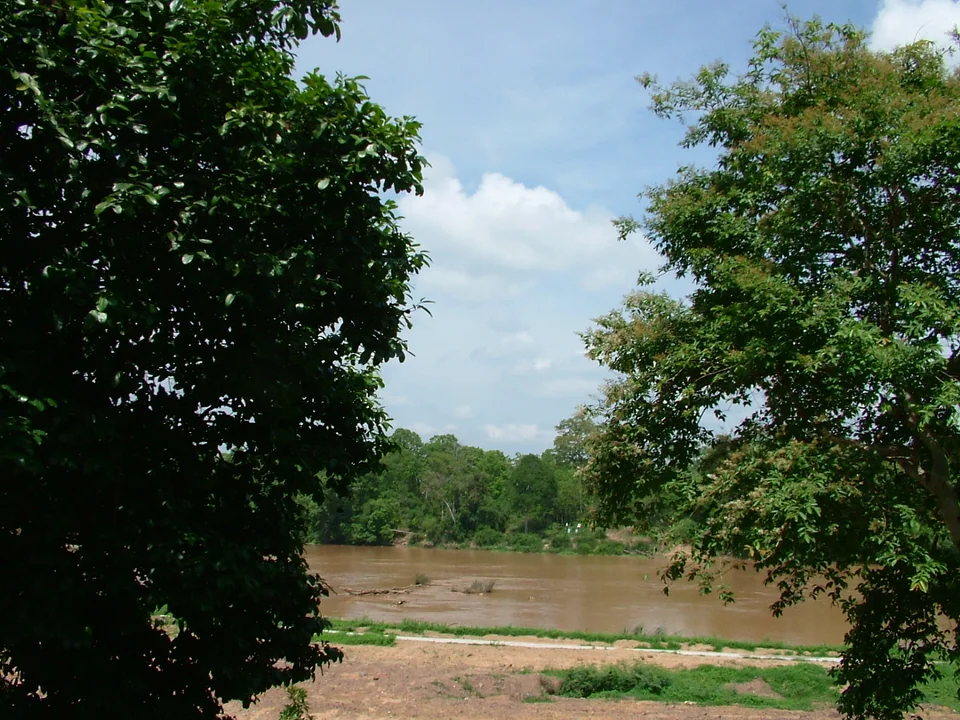

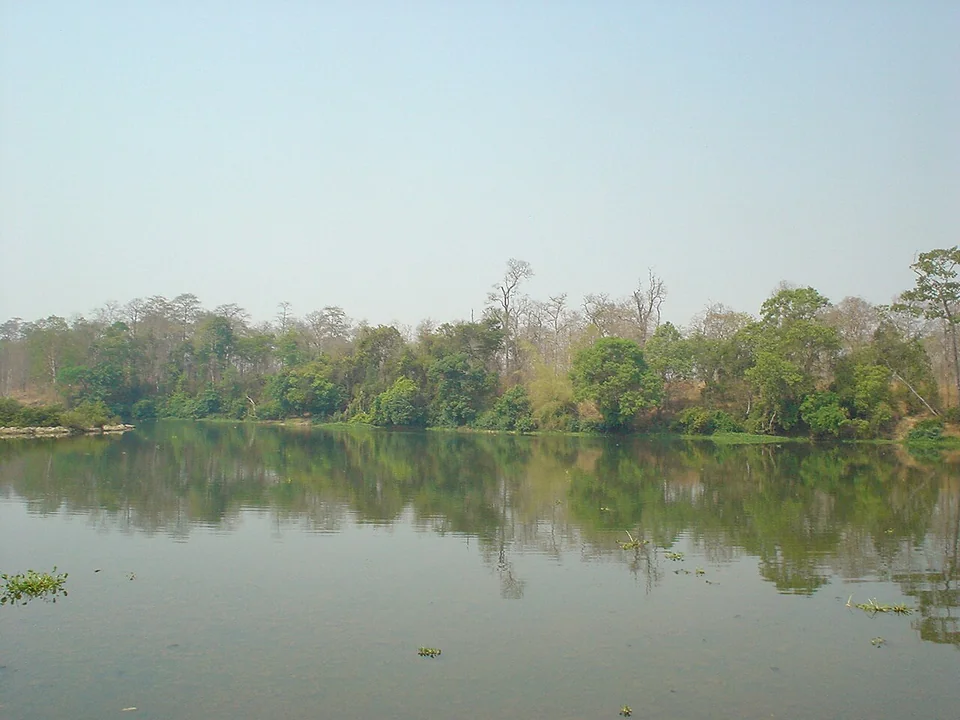

Yok Don National Park: learn to read an open forest
The park identifies dry dipterocarp woodland as a defining ecosystem. Its appearance changes with seasonal conditions, so a more open canopy or a floor of fallen leaves should not automatically be read as damage. Ask your guide which trees shed leaves, where moisture remains and how a river-edge patch differs from the surrounding woodland. These questions turn a seemingly quiet landscape into a set of relationships. Do not pull bark, collect seeds or step off the agreed route to inspect something. A national park protects processes as well as the animals that attract photographs. The forest can be rewarding on a day when no large mammal appears, particularly if you leave understanding a habitat you had not recognised before.
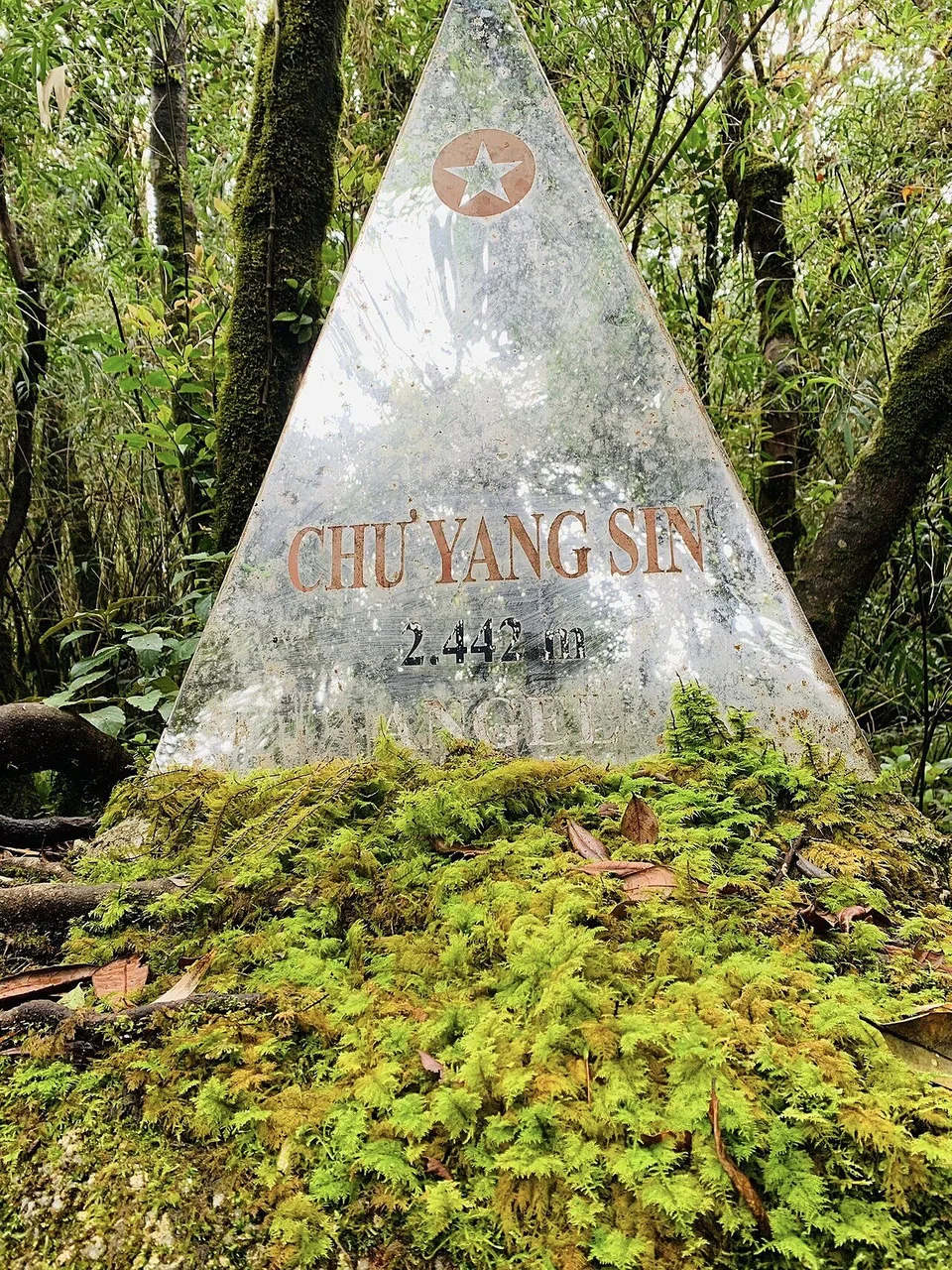

Chu Yang Sin National Park: understand the forest before choosing a trek
Park and provincial descriptions emphasise varied forest environments, streams and mountain terrain. This is a different experience from an open dry-forest outing at Yok Don or a short stop beside a city attraction. Look for changes in canopy, the amount of light reaching the ground and the way water gathers along a route approved for visitors. You do not need to identify every tree to see that a forest is a set of relationships rather than one uniform green wall. Avoid treating a published species list as a checklist of animals you should expect to encounter during a brief visit.
Choose the experience that fits
| Choice | What to consider |
|---|---|
| Yok Don National Park: learn to read an open forest | Wear footwear you can walk in securely and carry water and weather protection appropriate to the day's advice. Keep your bag light enough that you can stand still comfortably and listen. Let the guide set wildlife viewing distance; do not leave the group in pursuit of movement or use calls to draw an animal closer. Record a few observations about shade, leaf shape or river vegetation rather than measuring success by a species count. At the end, ask how the tourism service supports guides and local livelihoods, and what changes the park is trying to make. Yok Don is most memorable when the forest becomes intelligible, not when an unlikely encounter has been promised as part of the ticket. |
| Chu Yang Sin National Park: understand the forest before choosing a trek | The park’s own introduction notes that food services should not be assumed along forest routes. Agree supplies and waste arrangements with the organiser, carry appropriate walking and rain protection, and keep essential items accessible. Confirm communication and the return transfer before entering an area where finding a new ride may be impractical. Weather or management decisions can change access; keep a flexible alternative day in Buon Ma Thuot or another confirmed destination. The best Chu Yang Sin visit respects that a national park exists first as protected habitat. What you learn within an authorised route matters more than claiming to have conquered it. |
Ask VietnamGuide AI
Ask VietnamGuide AISources
- 1. tour.yokdonnationalpark.vn/EN/yokdon-national-park.html
Source checked:
- 2. tour.yokdonnationalpark.vn/EN/Tours/Detail/5
Source checked:
- 3. vuonquocgiachuyangsin.daklak.gov.vn/du-lich-dich-vu-moi-truong/kham-pha-vuon-quoc-gia-chu-yang-sin-khu-rung-nguyen-sinh-ay-bi-an
Source checked:
- 4. daklak.gov.vn/-/cac-iem-tham-quan-du-lich
Source checked:
Explore more
- Dak Lak homes: read the community, do not guess from roofs
Use verified place and community names; a house photograph establishes neither residents’ identity nor an invitation inside.
- Dak Lak waterfalls: one wide frame, one detail
Begin wide to understand scale, then study where water meets rock from a permitted viewpoint.
- From fishing shore to a Phan Thiet meal
Observe the harbour, then decode the order: ask about the type, quantity and preparation you actually buy.