Travel guide
Lak Lake and Jun village: water with a human story
The lake panorama opens onto a lived-in shore; meeting Mnong residents connects homes, work and water. Choose a story to hear so the visit becomes more than a photo stop.
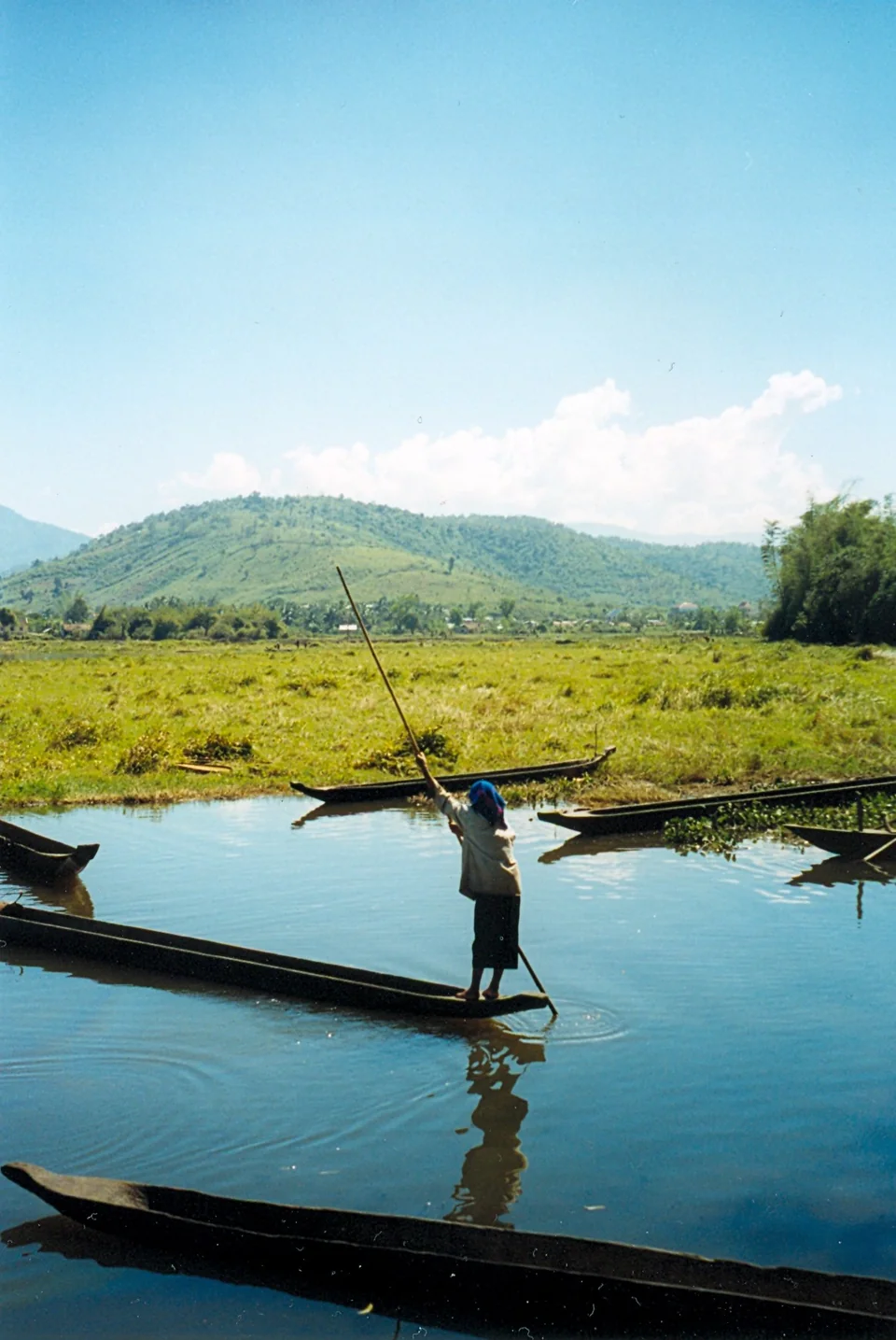

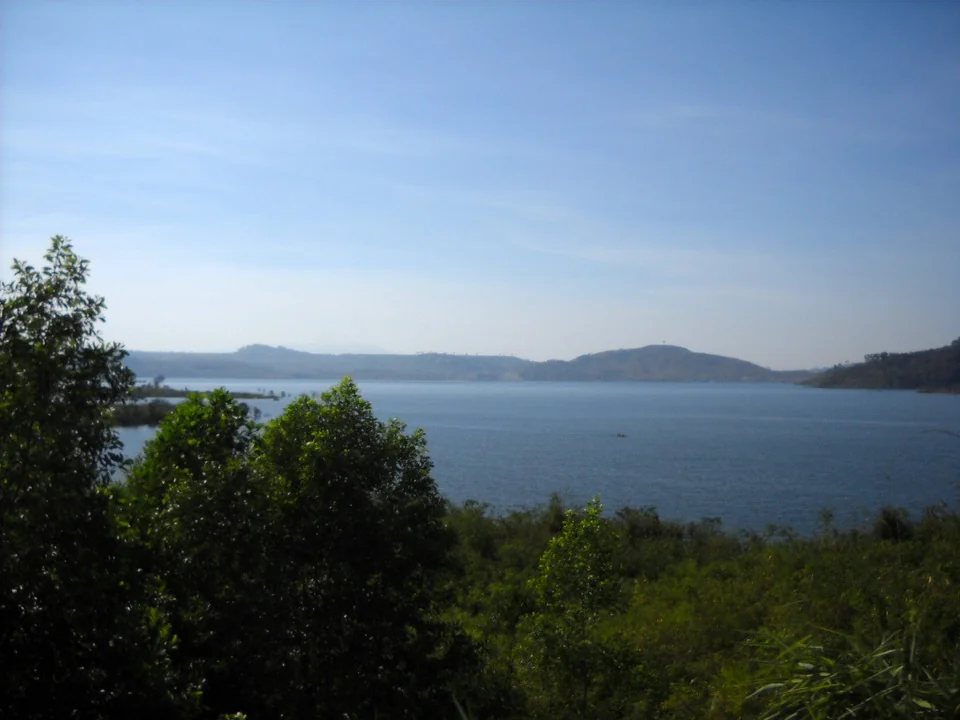

Lak Lake: give the highland water a full evening
Lak is a natural freshwater lake in Dak Lak, with Mnong communities including Jun and Mlieng around it. That simple geographical picture is more useful than a claim about which lake ranks second in size: a visitor experiences a working waterside landscape, not a league table. Look for the relation between open water, fields, houses and the hills behind them. The visible shoreline can shift, so a photograph from another season is not a promise of the same water beneath your balcony. Ask your accommodation which parts of the shore are publicly accessible and which cross gardens, fields or household land.
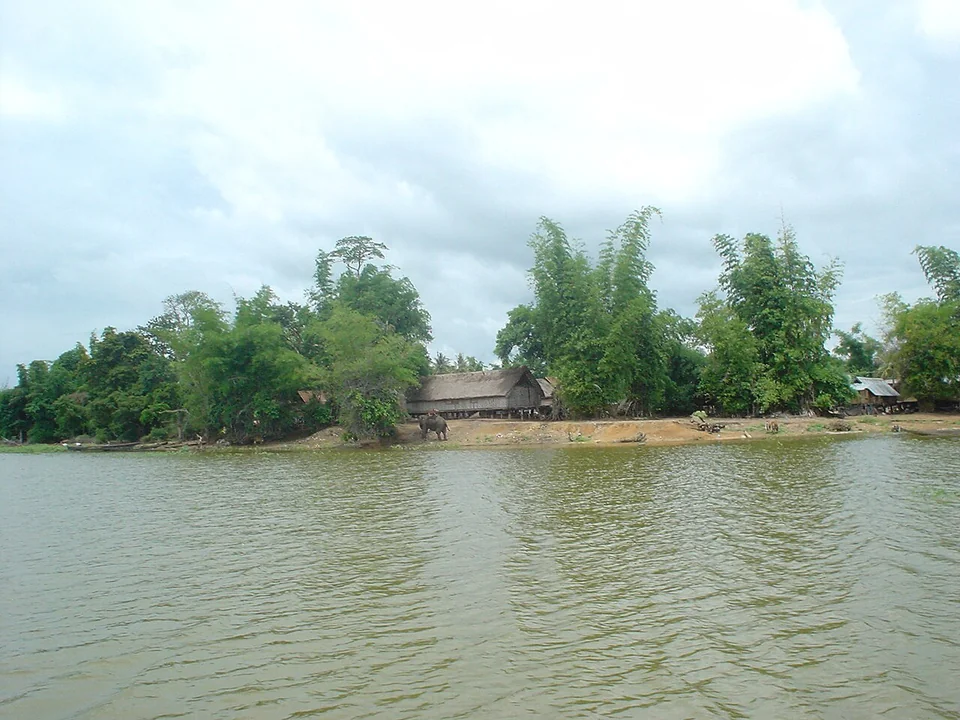

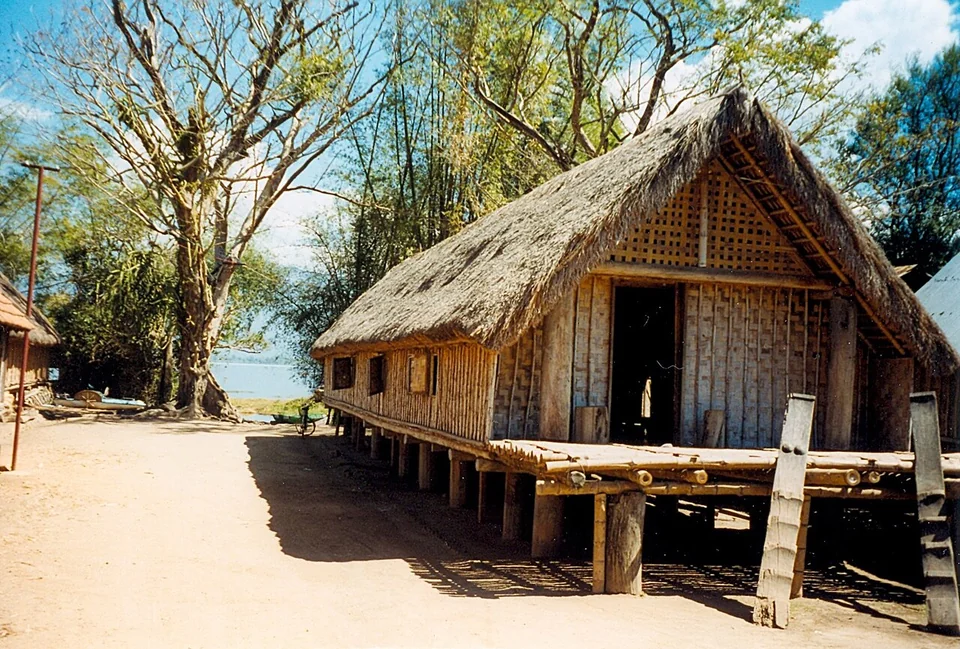

Jun village: meet the people behind the Lak Lake view
Ask your host whether the visit will focus on a meal, household life or another activity the family actually wants to share. Then confirm who explains, which language is used and whether an interpreter is included. A modest, clear arrangement is better than an ambitious package described only as authentic culture. Prepare questions that invite a personal answer: how is a room used today, what work changes through the year, or which dish does the family usually prepare? Avoid asking one person to speak for every Mnong community. Cultural knowledge varies by household, generation and experience, and a host may sensibly decline a question.
Choose the experience that fits
| Choice | What to consider |
|---|---|
| Lak Lake: give the highland water a full evening | Before leaving Buon Ma Thuot, agree the return pickup location and whether the price covers waiting, rural transfers and an early start the next morning. Carry sun protection and rain cover, and keep electronics protected near the water. Check meals with the accommodation rather than assuming every lakeside lane has late-night food. Leave rubbish with an appropriate collection service, not beside the shore, and do not step into cultivated land for a better angle. A successful Lak visit ends with a clearer sense of how people live beside the water, rather than with the largest number of stops crossed off a map. |
| Jun village: meet the people behind the Lak Lake view | After the hosted part, choose a short public walk toward a permitted shore viewpoint if weather and footing suit your group. Do not cross fields or work areas to imitate a photograph. Boat trips, performances and craft encounters require their own confirmation; they are not automatic additions to a village visit. Settle payment with the agreed person, ask before leaving a public review containing a host’s photograph and leave contact details only if both sides want to stay in touch. Jun is best remembered through a specific welcome and a clearer understanding of everyday life, rather than an idea that a whole community was on display. |
Ask VietnamGuide AI
Ask VietnamGuide AISources
- 1. en.nbca.gov.vn/khu-bao-ve-canh-quan-ho-lak-dak-lak/
Source checked:
- 2. dantoc.vietnamtourism.gov.vn/binh-yen-ho-lak-dak-lak/
Source checked:
- 3. daklak.gov.vn/-/cong-bo-iem-en-du-lich-cong-ong-buon-jun-huyen-lak
Source checked:
Explore more
- From Hanoi to Sa Pa: meeting the city around a church
Hanoi Cathedral and Sa Pa’s Stone Church frame different urban scenes. Compare facades, squares and everyday surroundings as a two-destination discovery, not a walking route or religious ranking.
- Mai Chau from raised floor to loom: everyday life through materials
Notice how a stilt house connects living space and village lane, then follow a weaving stage. Timber, bamboo and thread reveal daily life through a maker’s explanation.
- A little poetry, a pause by the sea: Quy Nhon slowly
Read about Han Mac Tu before his memorial at Ghenh Rang, then reserve a separate pause for the city beach. Poetry and everyday seaside life offer different kinds of reflection.