Travel guide
Nam Ka nature reserve: understand a protected headwater landscape
Nam Ka is a reason to look beyond Dak Lak’s most familiar photo stops, but it should first be understood as a protected landscape. Its interest lies in the connections between forest, low mountains, valleys and water. For a traveller, the useful starting point is not a trail downloaded from a map: it is learning what the reserve protects and whether an appropriate visit can actually be arranged.
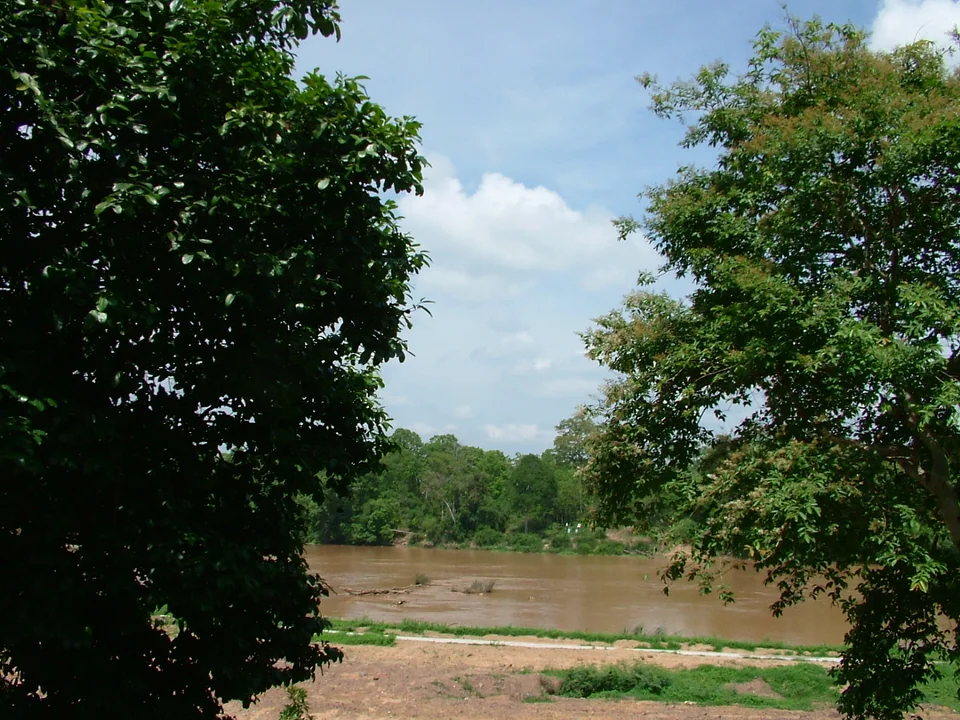

See a mosaic rather than one kind of forest
The national biodiversity authority describes Nam Ka through a varied set of landforms and ecosystems, including hills, valleys and wet areas. That mosaic matters because a change of ground and moisture can support a different set of plants and animals. Think of the reserve as linked habitats rather than a single attraction with one viewpoint. A conservation profile helps explain why the area deserves attention, but it does not establish a signed visitor circuit. If a local guide is able to host an authorised outing, ask them to explain the transitions in habitat that can be observed along the agreed route.
Understand the water connection
The reserve’s official profile places it in the headwater landscape associated with the Krong No and Krong Na river system that forms the Srepok. This gives a broader meaning to water seen elsewhere in Dak Lak: a waterfall, a riverbank and a forest catchment are connected parts of a landscape. You do not need to enter a sensitive area to appreciate that relationship. Study the regional geography before travelling and ask which viewpoints or community experiences outside restricted land can explain it. A responsible visit may focus on the surrounding lived landscape rather than penetrating the most protected forest.
Find out what access is genuinely possible
Contact the responsible management or an operator who can demonstrate coordination with it, and describe your dates, group and purpose. Ask whether visitors are currently received, where a meeting would take place, what permission is needed and who may lead the activity. Do not mistake a nature-reserve name on a tourism map for an open gate, a maintained walking route or a guaranteed ranger service. If the answer is uncertain, leave the visit unbooked and choose an established alternative. Respecting a limit is part of understanding a protected place, not a failed travel experience.
Read wildlife information carefully
A species inventory describes recorded biodiversity across time and survey effort; it is not a promise that a day visitor will see those animals. Older lists can also reflect a different research period from the present. Ask a qualified guide what can be observed responsibly now, and accept that plants, tracks, sound and habitat may be the principal experience. Do not request feeding, chasing or handling wildlife for a closer look. Keep precise notes about what was identified, by whom and with what confidence. This is more useful than adding an impressive species name to a trip report without evidence.
Make the practical plan match the conservation setting
For any confirmed outing, agree the route, duration, guide, supplies, waste return, weather decision and transport together. Ask about walking surfaces and river or stream sections before accepting a plan; never infer a crossing from a line on a phone map. Do not camp, light a fire or enter a side route without specific authorisation. If no visit is confirmed, Nam Ka can still enrich a Dak Lak itinerary through reading and a conversation about forest and water at another appropriate stop. The goal is a better understanding of the highlands, not claiming access simply because a place sounds remote.
Ask VietnamGuide AI
Ask VietnamGuide AISources
- 1. nbca.gov.vn/khu-du-tru-thien-nhien-nam-ka-dak-lak/
Source checked:
- 2. daklak.gov.vn/-/cac-iem-tham-quan-du-lich
Source checked:
Explore more
- Chu Yang Sin National Park: understand the forest before choosing a trek
Plan a conservation-minded Chu Yang Sin visit with realistic expectations about mountain forest, authorised routes, guides and the difference between a park visit and a summit expedition.
- Choose your Dak Lak waterfall day: one landscape, enough time
Compare the Srepok falls with Krong Kmar’s mountain setting, then plan one rewarding waterfall outing with a clear transport quote and a sensible weather alternative.
- Krong Kmar waterfall: water at the foot of Chu Yang Sin
Discover Krong Kmar’s rocky, mountain-fed landscape and plan a focused outing towards the Chu Yang Sin foothills with realistic access and return arrangements.