Travel guide
Chu Yang Sin National Park: understand the forest before choosing a trek
Chu Yang Sin adds a mountain-forest dimension to a Dak Lak journey. Its appeal is not a ready-made summit photograph, but a large protected landscape where elevation, water and forest create different habitats. Start with the question of what can responsibly be visited on your dates, then choose a route that leaves time to notice the forest rather than merely cover distance.
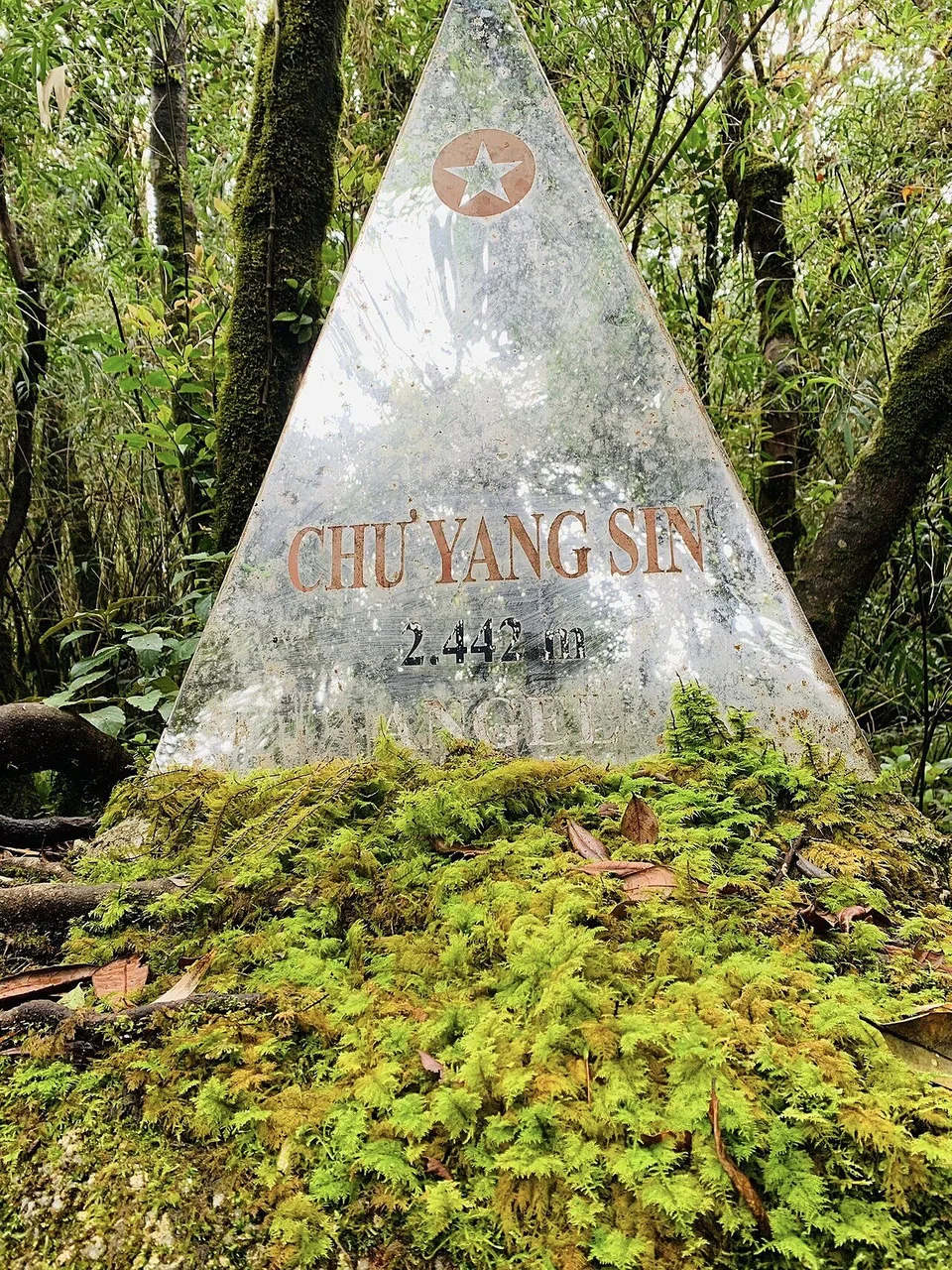

Read a landscape with many layers
Park and provincial descriptions emphasise varied forest environments, streams and mountain terrain. This is a different experience from an open dry-forest outing at Yok Don or a short stop beside a city attraction. Look for changes in canopy, the amount of light reaching the ground and the way water gathers along a route approved for visitors. You do not need to identify every tree to see that a forest is a set of relationships rather than one uniform green wall. Avoid treating a published species list as a checklist of animals you should expect to encounter during a brief visit.
Contact the park before building the itinerary
Ask the responsible park office what visitor activity is currently possible, which entrance or meeting point applies and what authorisation, guide or advance notice is needed. Explain your party size, dates, walking experience and language needs. A general tourism introduction is not a booking confirmation, and an activity described on a page is not evidence that you can turn up and do it independently. Request a route description that separates transfer time, walking time, rest and any overnight component. If no suitable visit can be confirmed, choose another nature experience rather than inventing your own access.
Choose the walk, not the most impressive label
A forest learning walk and a summit expedition ask very different things of a traveller. Do not book the word trekking without understanding the ground, ascent, duration and support. Ask where the route finishes, how changes are decided and what happens if a participant needs to turn back. For an overnight trip, establish who provides shelter, food, drinking water and equipment, and which camping locations are authorised. Fitness alone does not settle a protected-area visit: a route also depends on permission, staff, weather and conservation needs. A shorter approved outing can be more meaningful than an unsuitable ambitious plan.
Learn to observe without demanding an encounter
The forest may reveal itself through sound, traces, leaf shapes and the transition from wet stream margins to drier ground. Walk quietly and let a guide explain what can be identified with confidence. A rustle is not proof of a rare mammal, and a distant call should not be labelled for a photograph without identification. Do not feed wildlife, collect plants or play loud calls to attract animals. Ask before using any specialist observation technique. Recording notes about the setting and the guide’s explanation can produce a richer memory than a poorly supported claim about having seen an iconic species.
Prepare for limited services and changing plans
The park’s own introduction notes that food services should not be assumed along forest routes. Agree supplies and waste arrangements with the organiser, carry appropriate walking and rain protection, and keep essential items accessible. Confirm communication and the return transfer before entering an area where finding a new ride may be impractical. Weather or management decisions can change access; keep a flexible alternative day in Buon Ma Thuot or another confirmed destination. The best Chu Yang Sin visit respects that a national park exists first as protected habitat. What you learn within an authorised route matters more than claiming to have conquered it.
Ask VietnamGuide AI
Ask VietnamGuide AISources
Explore more
- Krong Kmar waterfall: water at the foot of Chu Yang Sin
Discover Krong Kmar’s rocky, mountain-fed landscape and plan a focused outing towards the Chu Yang Sin foothills with realistic access and return arrangements.
- Nam Ka nature reserve: understand a protected headwater landscape
Learn what makes Nam Ka’s forest, valleys and wet places important, and how to investigate a responsible visit without inventing an open public trekking route.
- Photographing Dray Nur: water, mist and a sense of scale
Make stronger Dray Nur photographs from authorised viewpoints, using foreground, changing water texture and practical protection against spray.