Travel guide
Photographing Dray Nur: water, mist and a sense of scale
Dray Nur can overwhelm a photograph: the water is bright, the rocks are dark and the sound is absent from the frame. A good series does not need a dangerous vantage or an elaborate camera. It needs a deliberate sequence that shows the whole setting, the movement of water and one or two details you actually noticed.
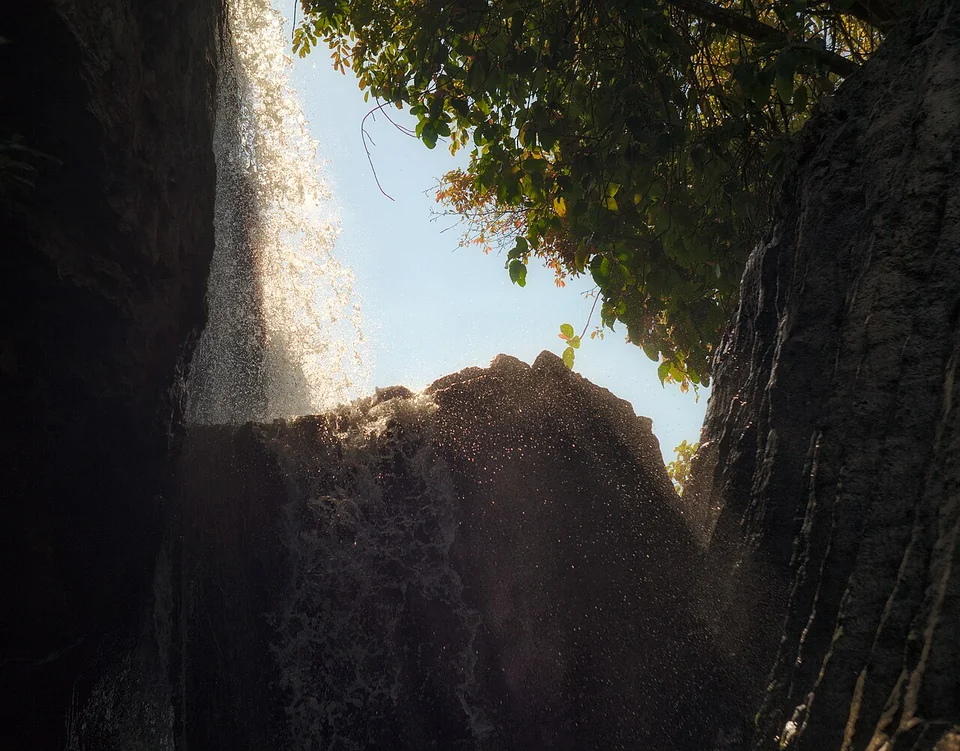

Begin with the establishing view
Before taking a close photograph, look for a permitted place where the waterfall and surrounding landscape fit together. Include enough river, rock or vegetation to explain where the water is going. A frame filled entirely with white water may look dramatic but tell little about Dray Nur itself. Try one broad composition, one medium view and one detail from the same approved area before moving. This simple sequence encourages attention rather than a search for an ever closer position. Keep paths clear while composing and move aside if other visitors need the viewpoint.
Make water texture an intentional choice
A phone’s ordinary photograph can show separate splashes and changing patterns; a camera with adjustable settings gives further options for interpreting movement. Experiment from stable, permitted ground rather than treating one technical effect as the correct way to photograph a waterfall. Compare a crisp frame with a more flowing impression if your equipment supports it. Check the result on screen for lost detail in the brightest water, then adjust your exposure using the device’s own controls. The aim is to describe what interested you, not to imitate a heavily edited image whose water colour or light may not match the day.
Use the forest and rock without disturbing them
Roots, trunks and dark rock can create depth around the water, but they are subjects to respect, not supports to rearrange. Compose with what is visible from the authorised route. Avoid breaking a branch, standing on fragile edges or crossing planted or closed ground to remove a distraction. A human figure can suggest scale only when the person is in an ordinary permitted position and agrees to be photographed. Never ask a companion to approach an edge for the frame. If the viewpoint is crowded, a detail of flowing water against rock may be more honest and interesting than pretending the place is empty.
Work with spray and changing light
Keep a clean lens cloth and a protective pouch where you can reach them without unpacking everything near the water. Check the lens between frames: small droplets can soften the image in ways that are hard to notice on a wet screen. Step back to a drier authorised position when changing lenses or opening a bag. Cloud, rain and upstream conditions can alter the scene; no month or arrival hour guarantees a rainbow or a particular curtain of water. If the first angle does not work, wait briefly or choose a different permitted composition instead of pushing into a closed area.
Leave with accurate captions, not just attractive files
Record the waterfall name and your visit date, especially if photographing several falls in the same trip. Dray Nur, Dray Sap and Gia Long are not interchangeable captions. Keep the original files so you can distinguish actual conditions from later edits. A drone is not an automatic extension of a visitor’s camera rights: any flight requires relevant permission and compliance with the rules applying to the site and airspace. For most travellers, a careful ground-level sequence is enough. End by looking without a screen for a moment; the sound and scale you remember will help you choose photographs that genuinely describe the visit.
Ask VietnamGuide AI
Ask VietnamGuide AISources
- 1. daklak.gov.vn/-/di-tich-quoc-gia
Source checked:
- 2. daklak.gov.vn/-/cac-iem-tham-quan-du-lich
Source checked:
Explore more
- Ko Tam: a garden visit with Ede cultural context
Explore Ko Tam as a managed ecocultural attraction near Buon Ma Thuot, reading its landscape and architecture while choosing only confirmed activities.
- Krong Kmar waterfall: water at the foot of Chu Yang Sin
Discover Krong Kmar’s rocky, mountain-fed landscape and plan a focused outing towards the Chu Yang Sin foothills with realistic access and return arrangements.
- Ea Kao lake: an afternoon beside Buon Ma Thuot’s working waters
See Ea Kao as a reservoir shaped by irrigation, village labour and changing shorelines. Plan a slow lakeside afternoon without assuming a beach or boat service.