Travel guide
Museum, Ako Dhong and Lak Lake: who is telling Dak Lak’s story?
Start with a question rather than collecting every stop: Museum, Ako Dhong and Lak Lake: who is telling Dak Lak’s story?. The perspectives below help choose what to understand; their reading order is not a continuous route or a promise of one ticket. An interesting place is not automatically open at all times. Separate permission to pass, observe, photograph and participate; people using the space may decline each activity.


Dak Lak Museum: the best first questions for a highland journey
The heritage authority describes three permanent exhibition themes: biodiversity, ethnic cultures and history. Use these as connecting threads rather than three boxes to complete. A landscape you later photograph has an ecological setting; a household object belongs to a particular community; a familiar street has changed through time. Start with the theme that interests you most and then look for a link to another room. You might ask how a material used in an everyday object relates to its environment, or how a historical change affected local work. The aim is not to absorb every label but to leave with a coherent first picture.
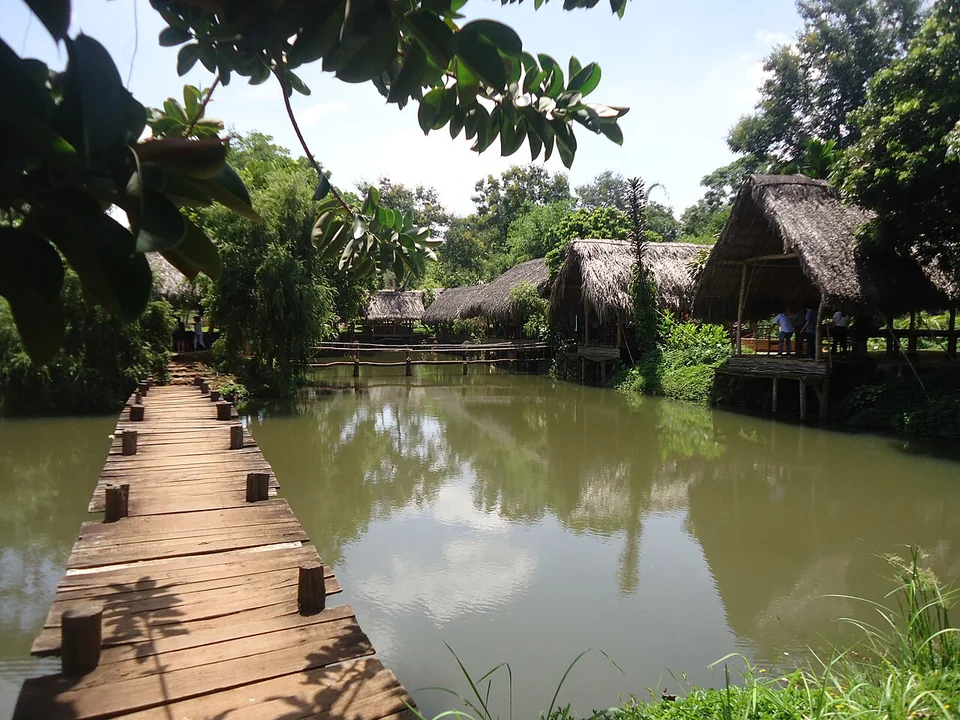

Ako Dhong: a living Ede village within Buon Ma Thuot
Begin with a slow look along the public approach: how do entrances, garden space and the length of a house differ from the street you arrived on? The contrast is a useful introduction to Ede architecture without requiring you to enter every building. Community-tourism reporting documents both preserved longhouses and houses restored or built for hospitality. Those categories can sit beside each other. A newer building need not be dismissed as meaningless, but its age and use should not be invented from appearance. Ask which house belongs to a household, which welcomes customers and what the resident wants visitors to understand about it.
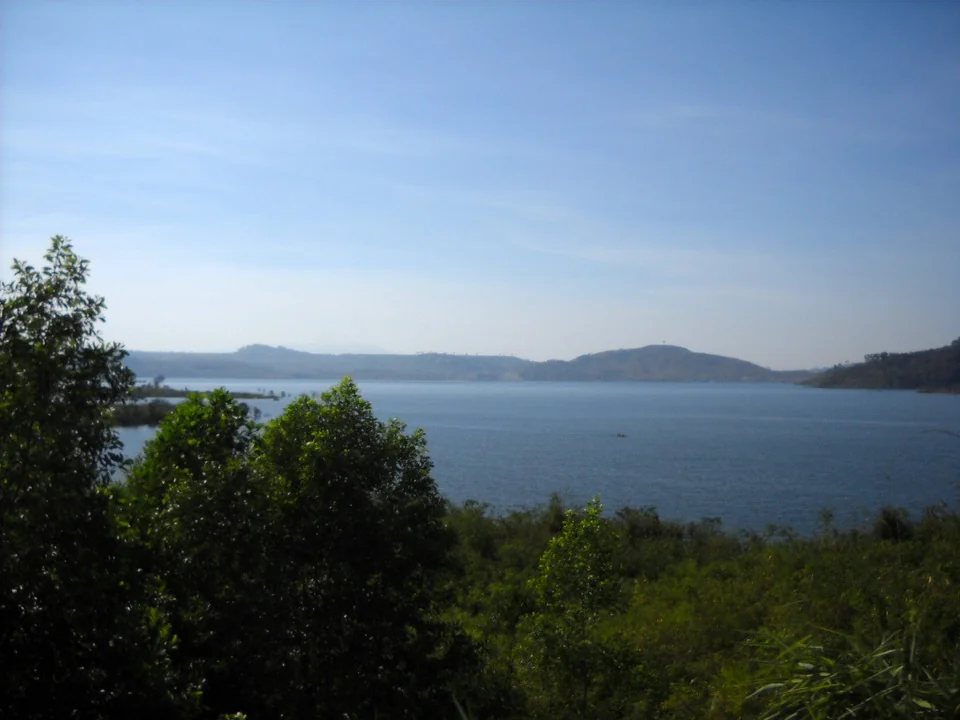

Mnong culture around Lak Lake: listen beyond the longhouse
Official provincial descriptions identify Mnong communities around Lak Lake, including Jun and Mlieng. Mnong and Ede are not interchangeable names for a single Central Highlands culture. Nor does meeting one family give a complete picture of every Mnong community. Ask your host how they describe their own village and which parts of local life they would like to explain. Names may appear in several romanised spellings; listening to the way someone introduces their home is more useful than insisting that a travel website must have the only correct form. Keep that distinction when writing a caption or describing the visit to other travellers.
Choose the experience that fits
| Choice | What to consider |
|---|---|
| Dak Lak Museum: the best first questions for a highland journey | Use this question to decide: Museum, Ako Dhong and Lak Lake: who is telling Dak Lak’s story?. Dak Lak Museum and the World Coffee Museum serve different purposes. This museum provides a broader provincial frame, while the coffee institution focuses on coffee-related collections and experiences. Choose according to your interests, or visit them on different days and compare what each explains well. Before leaving, record one useful label and one unanswered question; these will guide a more thoughtful conversation later. Respect any rules on photography, flash and restricted areas, and avoid touching objects because a display looks accessible. The most valuable souvenir here may be a clearer vocabulary for the people and places encountered on the rest of your trip. |
| Ako Dhong: a living Ede village within Buon Ma Thuot | Ako Dhong fits naturally with a city-based programme, especially after museum context, but leave enough space for an unhurried meeting. Confirm your drop-off and return point so that vehicles do not create unnecessary congestion in residential space. Ask about steps, seating and toilets if those affect your group. Before photographing people or recording a performance, ask permission and agree whether sharing the recording is acceptable. Do not promise a public online audience on somebody else’s behalf. The strongest memory is often a small explanation that makes a house or a daily practice intelligible, not a posed image collected without a conversation. |
| Mnong culture around Lak Lake: listen beyond the longhouse | A shared meal can give questions time to become a conversation. Agree the practical arrangement beforehand, then allow space for what the host wants to ask you as well. Learn a name, listen to the explanation of a dish and avoid ranking the family by how closely it resembles a tourist image of tradition. Contemporary clothes, phones or a new kitchen do not cancel cultural identity. Request permission for portraits, respect refusal and pay the agreed person for their work. Leave with a specific memory of a person or story, while recognising that a short visit offers a window rather than ownership of somebody else’s culture. |
Ask VietnamGuide AI
Ask VietnamGuide AISources
- 1. baotang.dsvh.gov.vn/vi-VN/Detail/Index/53
Source checked:
- 2. vietnam.travel/things-to-do/7-reasons-explore-dak-lak
Source checked:
- 3. nongthon.vietnamtourism.gov.vn/dak-lak-buon-ako-dhong-phat-trien-du-lich-cong-dong/
Source checked:
- 4. bvhttdl.gov.vn/Pages/chi-tiet.aspx
Source checked:
- 5. daklak.gov.vn/web/english/-/the-legend-of-lak-lake-
Source checked:
- 6. daklak.gov.vn/-/cong-bo-iem-en-du-lich-cong-ong-buon-jun-huyen-lak
Source checked:
Explore more
- Dak Lak beyond coffee: a museum, waterfall and lake
Dak Lak beyond coffee: a museum, waterfall and lake — Compare perspectives, access conditions and a main visiting focus.
- Glass, bridge cables and rocky islands: how shapes guide a Ha Long visit
Glass, bridge cables and rocky islands: how shapes guide a Ha Long visit — Compare perspectives, access conditions and a main visiting focus.
- From panorama to cave interior: change the scale of a bay visit
From panorama to cave interior: change the scale of a bay visit — Compare perspectives, access conditions and a main visiting focus.