Travel guide
Dak Lak beyond coffee: a museum, waterfall and lake
Start with a question rather than collecting every stop: Dak Lak beyond coffee: a museum, waterfall and lake. The perspectives below help choose what to understand; their reading order is not a continuous route or a promise of one ticket. Choose one main anchor before adding optional stops. If stamina, visibility or transport does not fit, omitting a stop is better than rushing through everything.


Dak Lak Museum: the best first questions for a highland journey
The heritage authority describes three permanent exhibition themes: biodiversity, ethnic cultures and history. Use these as connecting threads rather than three boxes to complete. A landscape you later photograph has an ecological setting; a household object belongs to a particular community; a familiar street has changed through time. Start with the theme that interests you most and then look for a link to another room. You might ask how a material used in an everyday object relates to its environment, or how a historical change affected local work. The aim is not to absorb every label but to leave with a coherent first picture.
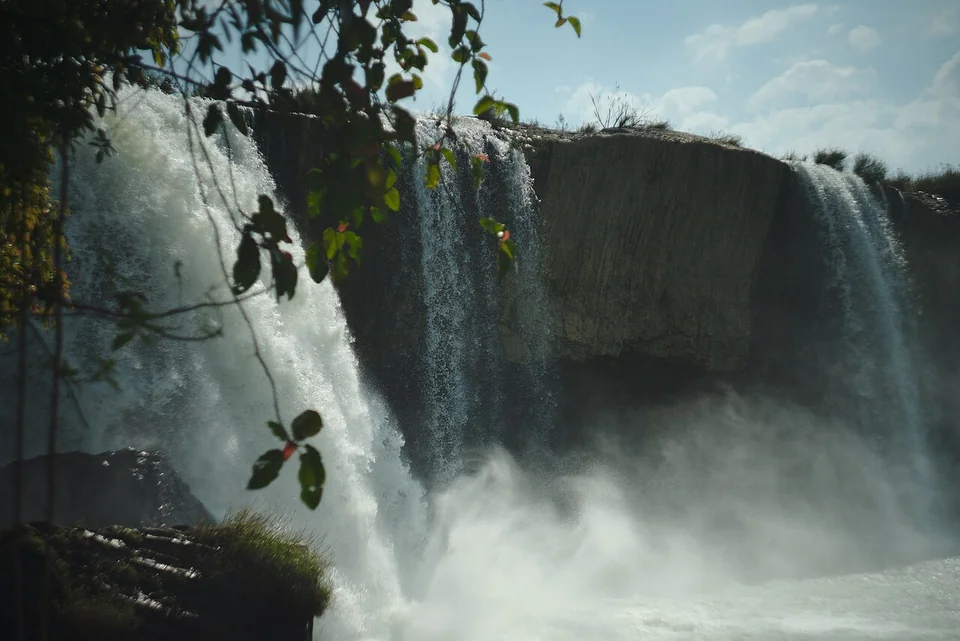

Dray Nur waterfall: make time for the water and the landscape
Dray Nur is a recognised scenic site in the Srepok river landscape, associated with Buon Kuop. Nearby names can confuse a first visit: Dray Sap is another waterfall, while Dray Sap Thuong is also called Gia Long. They should not be treated as three labels for one ticket or one viewpoint. Send the exact Dray Nur destination pin to your driver and ask which entrance is intended. A scenic-site description establishes the identity of the place, but does not establish which paths, activities or neighbouring connections are operating on your travel date.
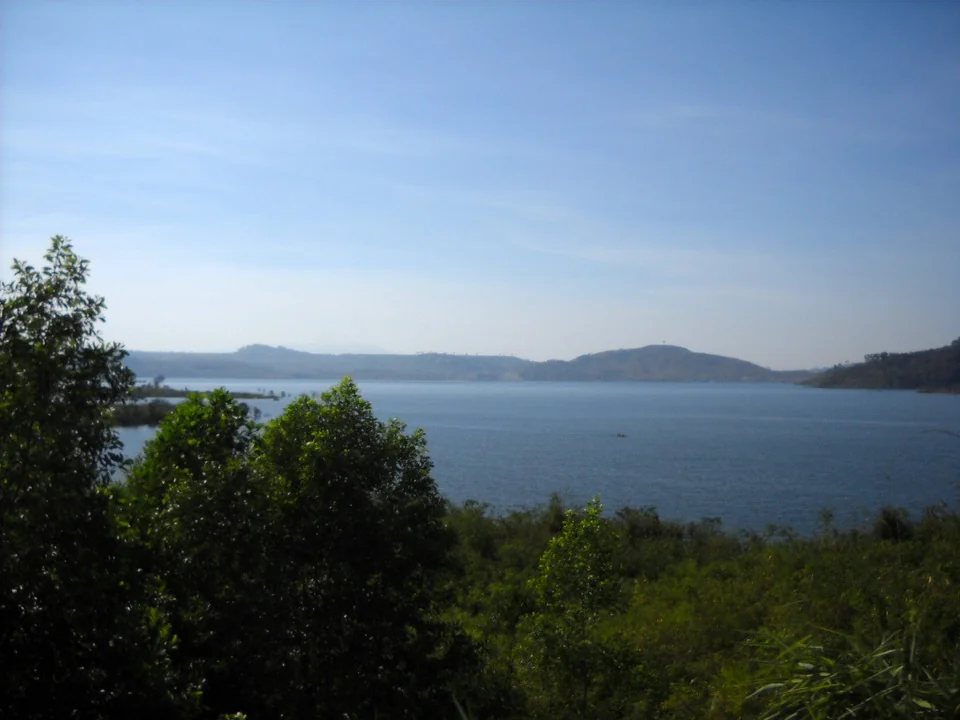

Lak Lake: give the highland water a full evening
Lak is a natural freshwater lake in Dak Lak, with Mnong communities including Jun and Mlieng around it. That simple geographical picture is more useful than a claim about which lake ranks second in size: a visitor experiences a working waterside landscape, not a league table. Look for the relation between open water, fields, houses and the hills behind them. The visible shoreline can shift, so a photograph from another season is not a promise of the same water beneath your balcony. Ask your accommodation which parts of the shore are publicly accessible and which cross gardens, fields or household land.
Choose the experience that fits
| Choice | What to consider |
|---|---|
| Dak Lak Museum: the best first questions for a highland journey | Use this question to decide: Dak Lak beyond coffee: a museum, waterfall and lake. Dak Lak Museum and the World Coffee Museum serve different purposes. This museum provides a broader provincial frame, while the coffee institution focuses on coffee-related collections and experiences. Choose according to your interests, or visit them on different days and compare what each explains well. Before leaving, record one useful label and one unanswered question; these will guide a more thoughtful conversation later. Respect any rules on photography, flash and restricted areas, and avoid touching objects because a display looks accessible. The most valuable souvenir here may be a clearer vocabulary for the people and places encountered on the rest of your trip. |
| Dray Nur waterfall: make time for the water and the landscape | Stay on authorised paths and give other visitors space at narrow viewing points. Do not move barriers, climb roots or ask a companion to stand on an edge for scale. Keep music low and carry packaging back out. A local guide can help distinguish river geography from stories told about it; enjoy legends as cultural narratives rather than evidence about geology. Before departing, check that everyone has the same return vehicle details. Dray Nur works well as a focused landscape outing, with the city’s museums and coffee life saved for a separate part of the day. |
| Lak Lake: give the highland water a full evening | Before leaving Buon Ma Thuot, agree the return pickup location and whether the price covers waiting, rural transfers and an early start the next morning. Carry sun protection and rain cover, and keep electronics protected near the water. Check meals with the accommodation rather than assuming every lakeside lane has late-night food. Leave rubbish with an appropriate collection service, not beside the shore, and do not step into cultivated land for a better angle. A successful Lak visit ends with a clearer sense of how people live beside the water, rather than with the largest number of stops crossed off a map. |
Ask VietnamGuide AI
Ask VietnamGuide AISources
- 1. baotang.dsvh.gov.vn/vi-VN/Detail/Index/53
Source checked:
- 2. vietnam.travel/things-to-do/7-reasons-explore-dak-lak
Source checked:
- 3. daklak.gov.vn/-/di-tich-quoc-gia
Source checked:
- 4. daklak.gov.vn/-/cac-iem-tham-quan-du-lich
Source checked:
- 5. en.nbca.gov.vn/khu-bao-ve-canh-quan-ho-lak-dak-lak/
Source checked:
- 6. dantoc.vietnamtourism.gov.vn/binh-yen-ho-lak-dak-lak/
Source checked:
Explore more
- Museum, Ako Dhong and Lak Lake: who is telling Dak Lak’s story?
Museum, Ako Dhong and Lak Lake: who is telling Dak Lak’s story? — Compare perspectives, access conditions and a main visiting focus.
- Glass, bridge cables and rocky islands: how shapes guide a Ha Long visit
Glass, bridge cables and rocky islands: how shapes guide a Ha Long visit — Compare perspectives, access conditions and a main visiting focus.
- From panorama to cave interior: change the scale of a bay visit
From panorama to cave interior: change the scale of a bay visit — Compare perspectives, access conditions and a main visiting focus.