Travel guide
Hue from palace space to an object: finding everyday lives
The royal centre explains nested spaces; the museum brings questions down to one object. Wide and close views add makers and users to the story.
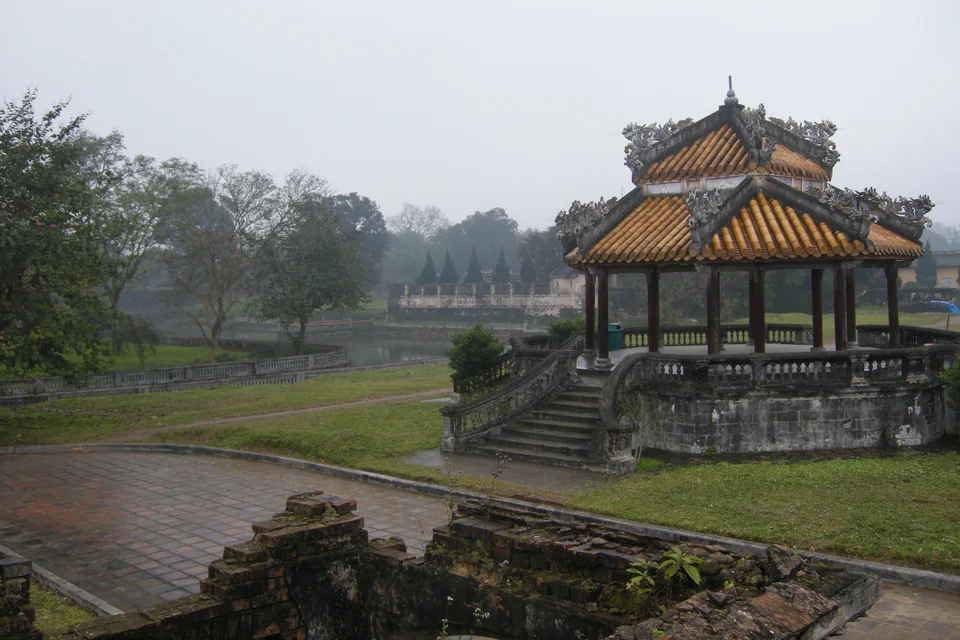

Hue Imperial City: understand the layers of the royal capital
Hue’s royal centre makes more sense when you stop treating every wall as the edge of the same palace. The Nguyen capital contains nested spaces with different jobs: defending a city, presenting imperial authority and enclosing royal life. Learning those relationships gives a walk through the monuments a clear shape.
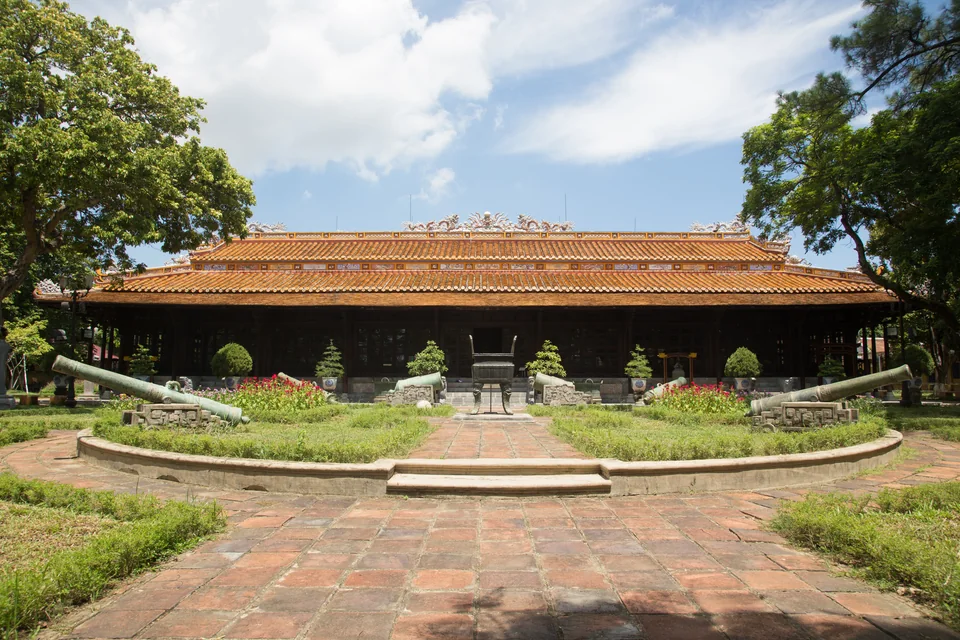

Hue Museum of Royal Antiquities: read heritage through objects
After the scale of Hue’s gates and courtyards, the Museum of Royal Antiquities offers a closer way into royal history. A vessel, a textile or a carved wooden object raises different questions from a palace facade: who made it, how was it used and what did its material communicate?
Choose the experience that fits
| Choice | What to consider |
|---|---|
| Hue Imperial City: understand the layers of the royal capital | The Tu Cam Thanh, the Forbidden Purple City, is the innermost enclosure associated with the emperor’s work and the royal household. Historical restrictions are part of its meaning, not a description of today’s visitor permissions. Read surviving buildings, foundations and open spaces together: war damage and conservation mean the ensemble is not an untouched, complete palace. Choose a few relationships to follow rather than collecting every building name. A guide or site plan can help connect gate, audience space and residence; check the accessible route on arrival. The reward is understanding how Hue arranged power in space. |
| Hue Museum of Royal Antiquities: read heritage through objects | A collection is larger than any one display, so a photograph in an online feature does not guarantee that object is on view today. If a particular subject matters, ask the museum about the current exhibition and entrance arrangements before building the day around it. During the visit, let a small selection hold your attention rather than trying to memorise every case. Pair this with the Imperial City when you want objects to add texture to the buildings, while checking the connection and ticket arrangements separately. The museum’s reward is a sense of court culture made tangible through workmanship and use. |
| Try this | Choose a labelled exhibit and note name, material and use; compare a palace function without assigning the object an unverified origin. |
Ask VietnamGuide AI
Ask VietnamGuide AISources
- 1. whc.unesco.org/en/list/678/
Source checked:
- 2. dsvh.gov.vn/di-tich-lich-su-va-kien-truc-nghe-thuat-quan-the-kien-truc-co-do-hue-2944
Source checked:
- 3. khamphahue.com.vn/Du-lich/Ban-%C4%91o-so/WC-cong-cong/pid/1584/cid/28
Source checked:
- 4. khamphahue.com.vn/en-us/Discover-Hue/Hue-Vietnam-Ao-dai-Capital/Detail/pid/15692/cid/517
Source checked:
- 5. artsandculture.google.com/story/royal-treasures-and-antiquities-quang-binh-tourism-department/5wXB0ube9-kKJw
Source checked:
Explore more
- Hue through the approach: Ngo Mon and Khai Dinh’s terraces
A ceremonial axis and stepped tomb terraces guide visitors differently towards the main space. Following movement makes architecture easier to experience.
- Com hen and com tam: two ways to build a pleasing bite
Com hen layers textures in a bowl; com tam lets accompaniments shape broken rice. The Hue and Saigon meals offer different ways to adjust your plate.
- Hue lingering with landscape: Tu Duc and Gia Long
Tu Duc connects lakes with a ruler’s lifetime retreat; Gia Long opens a wider landscape ensemble. Follow one relationship between a building and its terrain.