Travel guide
Hue lingering with landscape: Tu Duc and Gia Long
Tu Duc connects lakes with a ruler’s lifetime retreat; Gia Long opens a wider landscape ensemble. Follow one relationship between a building and its terrain.
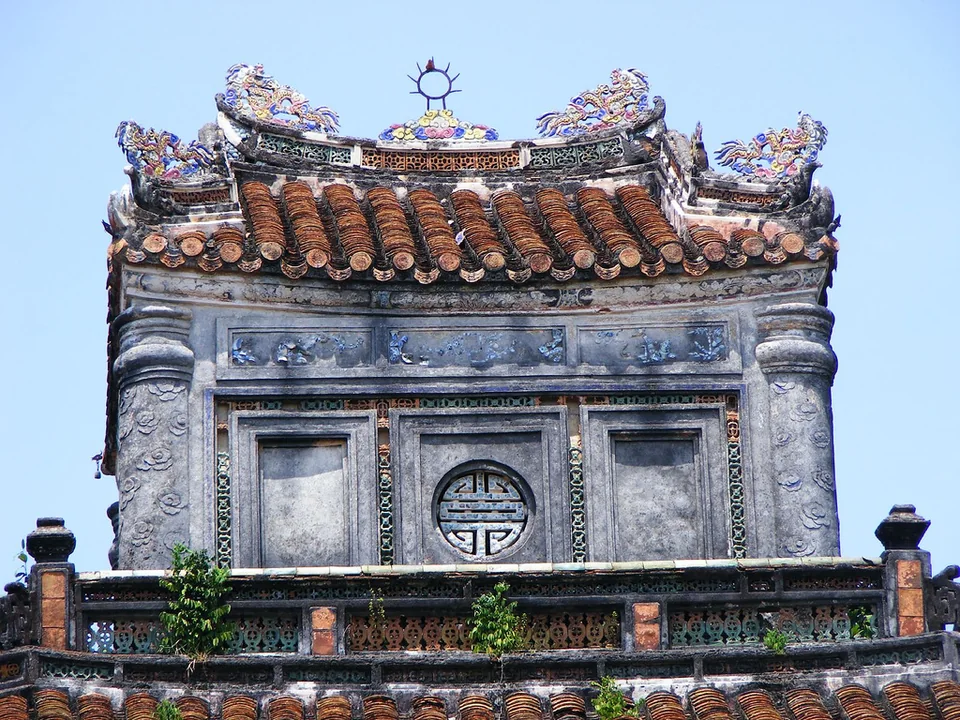

Tu Duc Tomb: lakes, poetry and the Khiem landscape
Tu Duc Tomb is also a place where an emperor spent time while alive. Known as Khiem Cung during that period and Khiem Lang after his death, the complex combines a retreat-like landscape with funerary and worship spaces. Seeing both functions makes its lake views more meaningful.
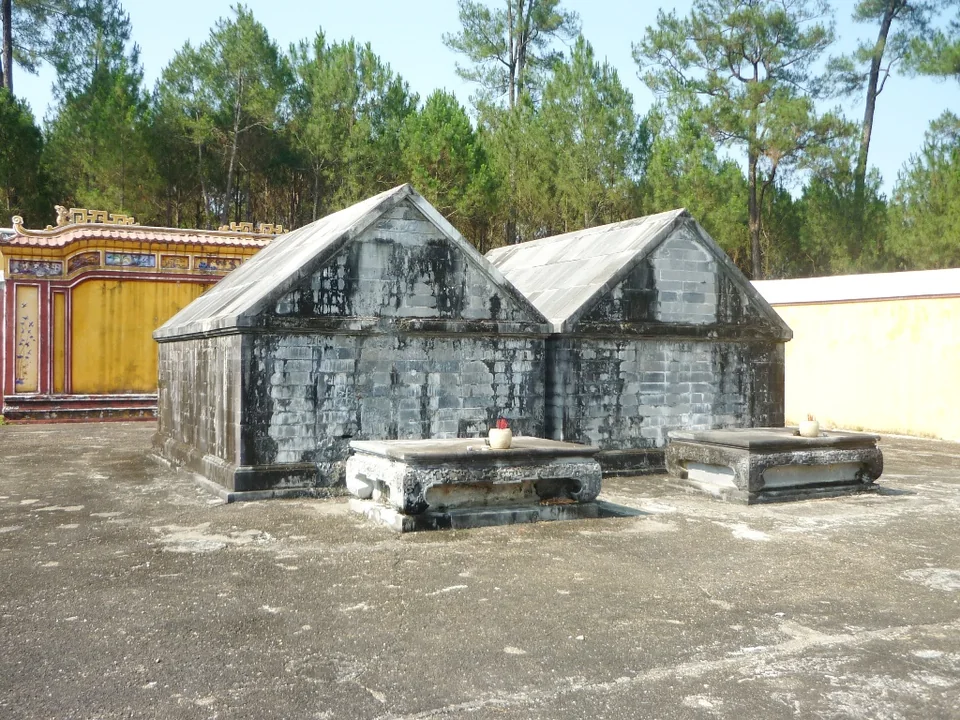

Gia Long Tomb: understand the Thien Tho landscape
Gia Long Tomb is best understood as a landscape containing buildings, rather than a building with scenery around it. Thien Tho is associated with the founding emperor of the Nguyen dynasty, but its wider setting includes other royal family tombs. Scale and relationships matter as much as decorative detail.
Choose the experience that fits
| Choice | What to consider |
|---|---|
| Tu Duc Tomb: lakes, poetry and the Khiem landscape | A worthwhile visit follows the relationship between the residential and ritual buildings and the separate funerary spaces. It should not depend on being shown an accessible burial chamber or a proven exact burial location; the landscape and commemorative architecture already offer much to understand. When arranging a guide, ask whether the lake pavilions, former living spaces and stele are covered in the planned walk. Confirm current building access and any theatre activity separately: the presence of a historic theatre does not promise a performance. Choose enough time for these distinctions rather than simply adding another tomb to a circuit. |
| Gia Long Tomb: understand the Thien Tho landscape | Because the name Gia Long Tomb can refer to a broader complex, ask a guide which areas the outing actually covers. A focused visit to the principal mausoleum and an expanded royal-family landscape visit are not necessarily the same walk. Confirm the present entrance, vehicle meeting point and any internal transport directly, rather than following an old description of a bridge, river crossing or path. Leave time to understand the connection between the paired tombs, temple and hills. This site suits travellers interested in landscape and dynastic beginnings, especially when the interpretation explains the relationships rather than merely naming each structure. |
| Try this | At a permitted pause, look close and then wide; describe how the building changes your experience of the setting. |
Ask VietnamGuide AI
Ask VietnamGuide AISources
- 1. huetourism.gov.vn/Lang-Tu-Duc.html/
Source checked:
- 2. vietnam.travel/things-to-do/an-inside-guide-hue-tombs
Source checked:
- 3. whc.unesco.org/en/activities/320/
Source checked:
- 4. huetourism.gov.vn/lang-vua-gia-long-thien-tho-lang-uy-nghiem/
Source checked:
Explore more
- Hue through the approach: Ngo Mon and Khai Dinh’s terraces
A ceremonial axis and stepped tomb terraces guide visitors differently towards the main space. Following movement makes architecture easier to experience.
- Hue from palace space to an object: finding everyday lives
The royal centre explains nested spaces; the museum brings questions down to one object. Wide and close views add makers and users to the story.
- Com hen and com tam: two ways to build a pleasing bite
Com hen layers textures in a bowl; com tam lets accompaniments shape broken rice. The Hue and Saigon meals offer different ways to adjust your plate.