Travel guide
Hue up close: Dong Khanh details and An Dinh façades
These two complexes reveal changing late Nguyen architecture through worship spaces and a royal family setting.
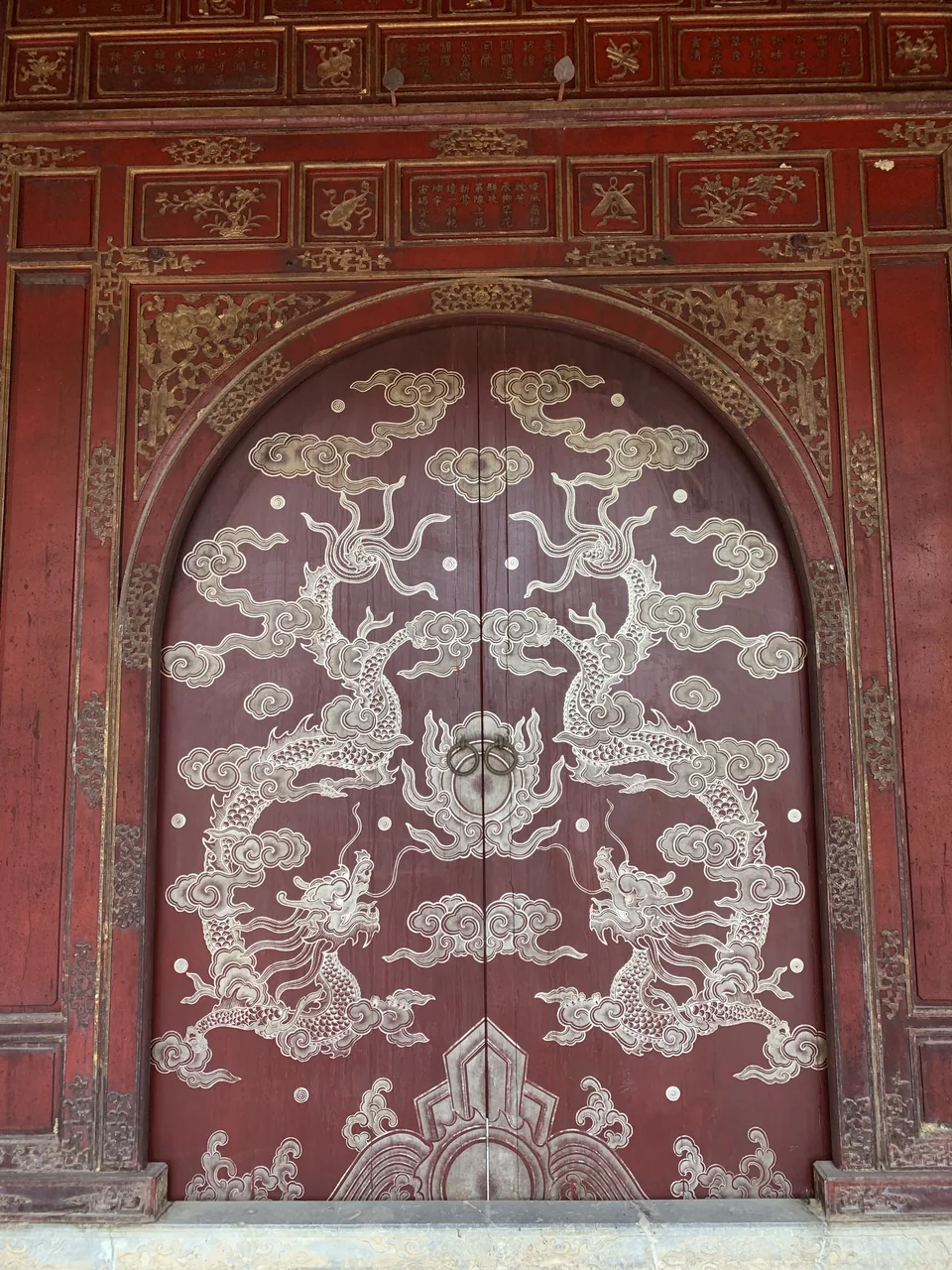

A perspective for your choice
The reward lies in looking beyond a single style. Dong Khanh developed through successive phases, while An Dinh brings traditional decoration into conversation with European architectural forms. Together, they make architectural change visible through particular buildings rather than an abstract label.
Dong Khanh Tomb: architectural layers in one complex
Dong Khanh Tomb, also called Tu Lang, does not present a single design made at one moment. Its worship buildings and burial area developed through different phases. The reward is seeing architectural change within one complex, rather than assigning every wall and roof to the emperor whose name appears at the entrance.
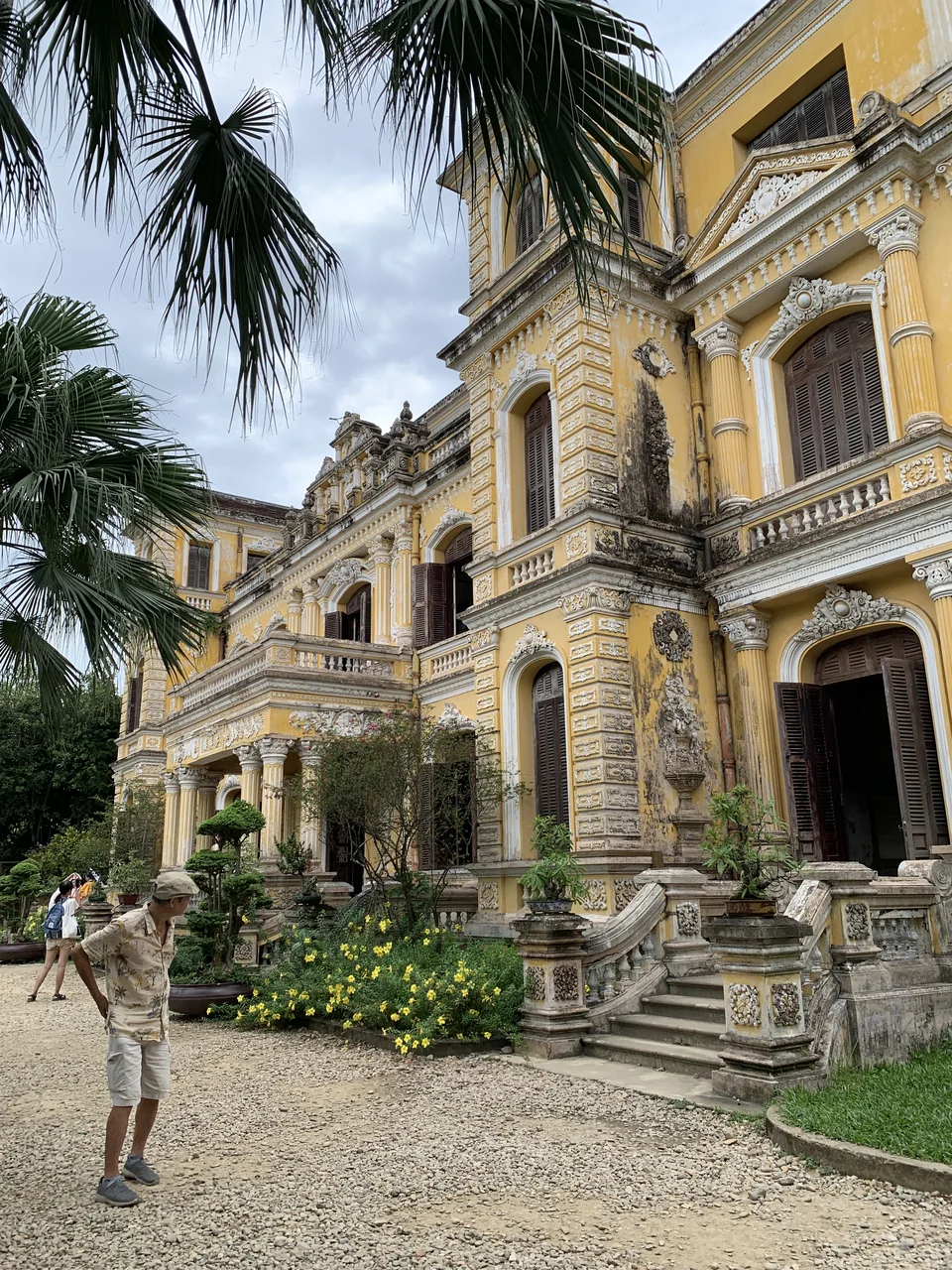

An Dinh Palace: architecture and late Nguyen memory
An Dinh reveals a different royal Hue from the Imperial City. Beside the An Cuu River, this palace is associated with Khai Dinh and the family world of the late Nguyen court. Its appeal lies in looking closely: a gate, a pavilion, a decorated façade and painted rooms tell a story at a more intimate scale.
Choose the experience that fits
| Choice | What to consider |
|---|---|
| Dong Khanh Tomb: architectural layers in one complex | A visit is most useful when it gives attention to both the temple and the funerary zone. Ask which interiors and exterior areas are currently accessible, then choose a guide who can explain how the phases connect. Do not assume an old restoration report guarantees present entry to every room or the display of particular objects. If combining Dong Khanh with another tomb, keep enough time here to compare the two architectural settings instead of treating it as an extra photograph stop. Its distinctive story is the adaptation of a family memorial and the changing forms used to commemorate an emperor. |
| An Dinh Palace: architecture and late Nguyen memory | An Dinh also carries memories of Bao Dai’s family after the end of the monarchy in 1945. A guide can connect that later domestic history with Khai Dinh’s earlier architectural project without confusing the palace with a tomb. Before going, confirm which interiors and grounds are open and follow current photography instructions; a historical room description is not a promise of entry. Allow time for both the approach and the details of the accessible rooms. Choose this palace when architecture, painted decoration and the changing life of the last royal generations interest you more than simply adding another royal address to the day. |
| Try this | Choose one decorative detail and one overall composition at each site, then compare your observations afterwards. |
Ask VietnamGuide AI
Ask VietnamGuide AISources
Explore more
- A quieter Hue: Tu Hieu and the space of Nam Giao
A human story and a ceremonial layout give an unhurried Hue visit plenty to discover.
- Hue from incense bundle to temple courtyard: a small object’s wider life
Thuy Xuan incense village and Thien Mu connect colour with work and purpose.
- A Mekong skill to take home: from wrapping cakes to cooking
Banh xeo, banh cong and a suitable cooking session connect tasting with something you can learn to do.