Travel guide
Bao Dai residence at Lak Lake: read the view and the history
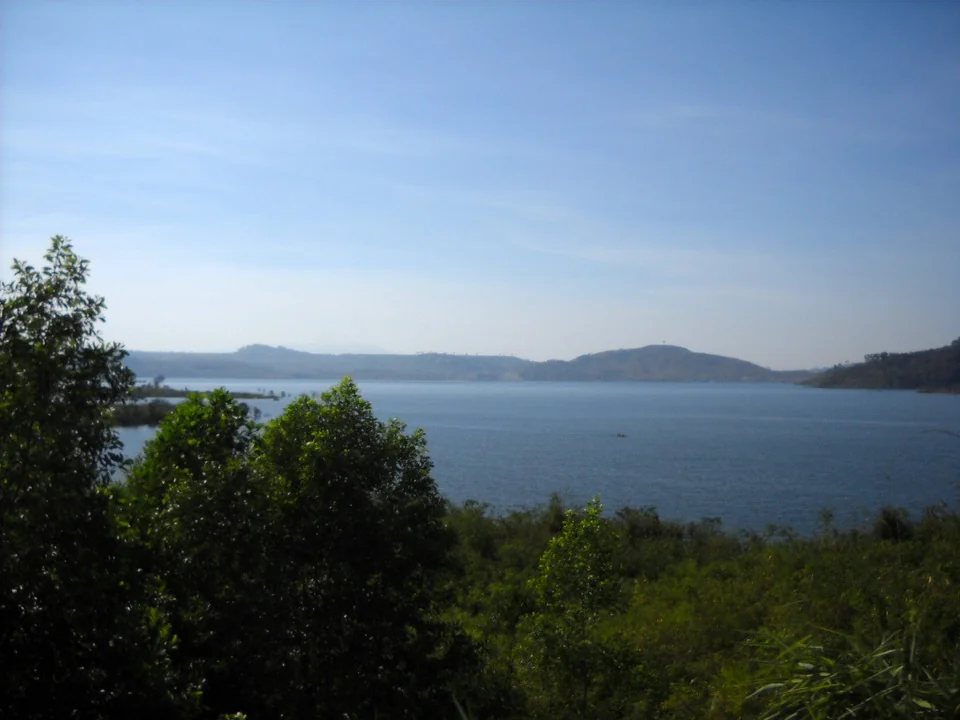
A raised viewpoint can change the story of a lake. From below, Lak is a place of shore paths, boats and village life; from a hill, the wider landscape becomes easier to read. The residence associated with Bao Dai adds a historical layer, but it should be approached as a specific site, not a guaranteed palace tour.

Make sure you mean the Lak Lake residence
Bao Dai’s name appears at more than one destination in Vietnam, including elsewhere in the Central Highlands. When organising a visit, specify the residence at Lak Lake and send the location recognised by your driver or accommodation. Do not borrow descriptions, room photographs or opening information from another Bao Dai site. A local public-broadcasting account describes this residence as a hilltop building constructed in 1951. That historical reference can anchor the visit without assuming that all the spaces described in an older tourism article remain open today. The site is a useful counterpoint to a village walk because it frames the same lake through a different history.
Look at position before collecting objects
Start by noticing why an elevated building would be placed here: the relationship between approach, garden, windows and the wider lake is part of the experience. Rather than rushing straight toward a display, give the setting time to explain itself. What can you see from a permitted terrace or path that was hidden at shore level? Which parts of the village and farmland remain out of sight? These questions help you understand the limits as well as the power of a panorama. A view does not contain the whole community, and a building associated with elite leisure offers only one perspective on the landscape below.
Keep documented history separate from imagination
The name invites stories of royal life, but atmospheric travel writing should not supply events that the site does not document. If a local guide or display explains a photograph or object, ask what is known about its connection with this particular residence. Distinguish an original item, a later furnishing and an illustrative reproduction when that information is available. Do not assume a room looks exactly as it did when Bao Dai used the property. A small verified detail is more useful than an elaborate invented account of hunts, visitors or private routines. The most interesting question may be how the place has been interpreted and reused over time.
Confirm the visit you can actually make
Before setting off, ask the current operator whether grounds, exterior viewpoints and interior spaces are open to non-resident visitors, and whether any fee or booking condition applies. Old descriptions of restaurant, hotel or display functions are not evidence of today’s service. Check the last part of the approach, steps and any steep walking if mobility matters. If interior access is unavailable, decide whether a permitted exterior visit is still worthwhile for your group rather than arriving with a promise nobody made. Stay on the allowed route, and treat closed rooms or working areas as boundaries even if a door happens to be open.
Give the hill and the lakeshore equal time
Pair the residence with a quiet shore stop or a hosted village visit, leaving enough time to feel the difference between those viewpoints. Avoid turning the day into a hunt for every attraction around the lake. In wet weather, check the footing and choose a shorter visit if needed; at dusk, return before the approach becomes difficult to follow. Bring water and sun or rain protection appropriate to the day. You leave with a better understanding when the historical building, the broad view and contemporary lakeside life remain connected, while none is made to stand for the whole of Lak.
Ask VietnamGuide AI
Ask VietnamGuide AISources
Explore more
- Yang Tao pottery: meet the hands behind the clay
Explore Mnong pottery associated with Yang Tao near Lak Lake: hand-built forms, craft knowledge, arranging an artisan visit and choosing a piece to take home.
- Buon Ma Thuot to Lak Lake overnight: make space for the dawn
Plan a purposeful night at Lak Lake from Buon Ma Thuot, with an unhurried arrival, a willing village host, a protected dawn and a realistic return day.
- Mnong culture around Lak Lake: listen beyond the longhouse
Understand a Lak Lake cultural visit through Mnong identity, waterside livelihoods, household objects, stories and hospitality, without treating private life as a show.