Travel guide
Mekong spaces between birds: Tram Chim and Lung Ngoc Hoang
A view without many visible birds can still make a rewarding habitat observation.
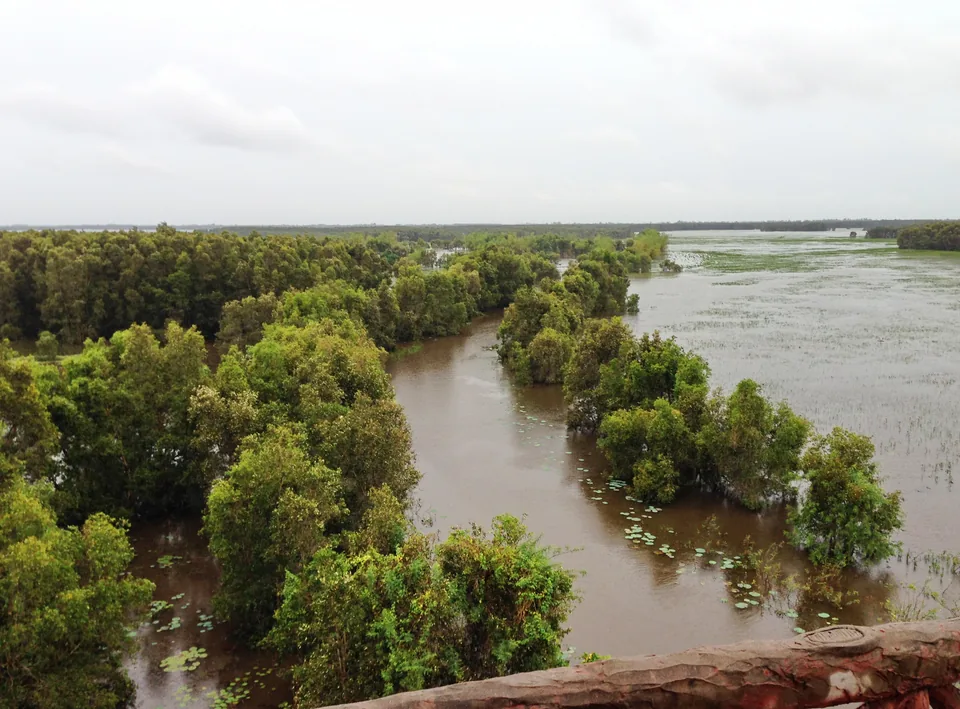

A perspective for your choice
Tram Chim’s open water, wet grasses and wild rice differ from wooded wetland areas at Lung Ngoc Hoang. Watching transitions between vegetation and water makes habitat readable beyond a bird count. These are separate regional outings, not one attraction within Can Tho.
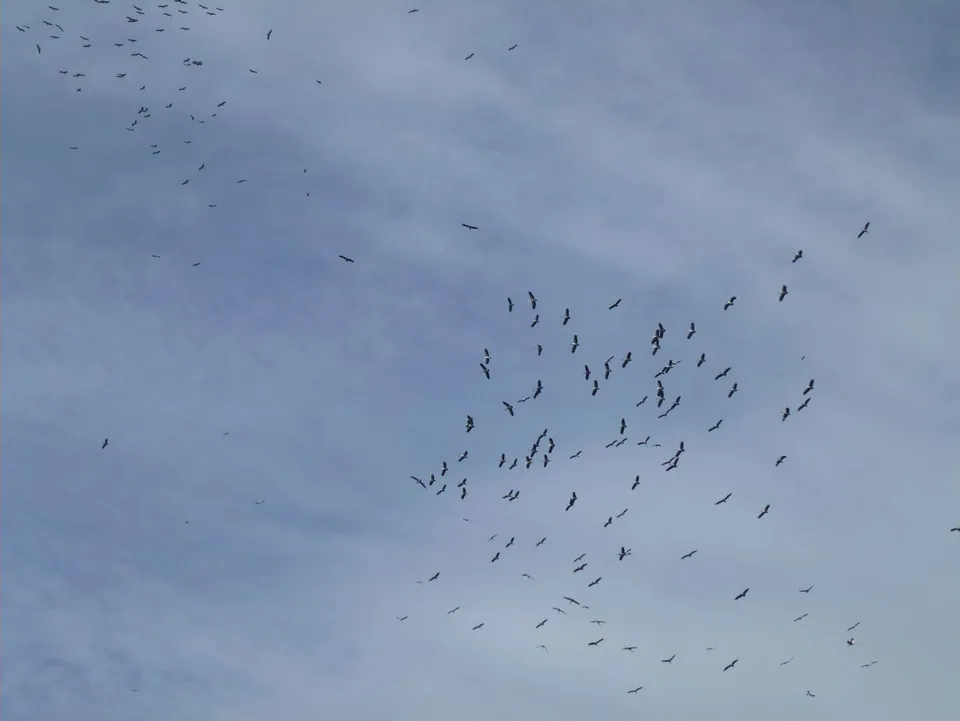

Tram Chim National Park: a wetland visit beyond a single bird
Open water, wet grasslands, wild rice and other aquatic vegetation give Tram Chim a different character from a densely wooded canal. The Ramsar description identifies surviving wild-rice communities as part of its importance. Look for transitions between habitats: a patch with fewer visible birds may still help explain how seasonal flooding shapes the wider landscape.
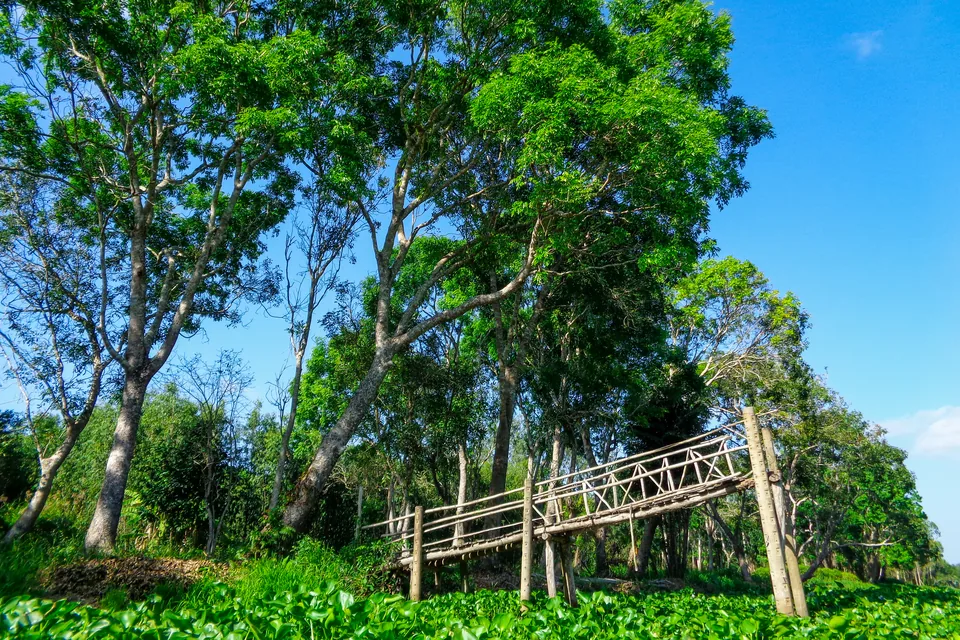

Lung Ngoc Hoang: planning a wetland visit
Lung Ngoc Hoang protects a landscape of wetlands, grasslands and forest in the Mekong Delta. It is a useful counterpoint to the busy riverfront of Can Tho: the focus is habitat, not a sequence of entertainment stops. Plan it as a conservation-area visit whose routes and activities must be confirmed, rather than assuming every mapped waterway is a public attraction.
Choose the experience that fits
| Choice | What to consider |
|---|---|
| Tram Chim National Park: a wetland visit beyond a single bird | A slower outing with pauses for observation is more rewarding than rushing through several distant wetland attractions in one day. Carry drinking water, sun protection and a bag that keeps equipment secure during boarding. Follow park rules and bring rubbish back. Before leaving, ask what habitat management challenges the park is addressing: understanding the place can be the highlight even when the bird list is short. |
| Lung Ngoc Hoang: planning a wetland visit | Bring drinking water, sun and rain protection, insect protection and suitable footwear. Check toilet and rest arrangements before leaving your accommodation, especially when travelling with children. Keep a dry cover for electronics and take all rubbish away. Leave a margin for the return journey, and accept a postponed visit if the managers say conditions are not suitable. |
| Try this | At each site choose a vegetation–water boundary to observe; ask a guide how that particular area changes through the seasons. |
Ask VietnamGuide AI
Ask VietnamGuide AISources
- 1. rsis.ramsar.org/ris/2000
Source checked:
- 2. dongthaptourism.com.vn/directory/vuon-quoc-gia-tram-chim/
Source checked:
- 3. vietnam.travel/node/1429
Source checked:
- 4. canthotourism.vn/vi/detailnews/
Source checked:
Explore more
- A Mekong skill to take home: from wrapping cakes to cooking
Banh xeo, banh cong and a suitable cooking session connect tasting with something you can learn to do.
- Two Binh Thuys, two memories: a house and a communal shrine
A shared place name opens different questions about what a family keeps and what a community remembers.
- Hue up close: Dong Khanh details and An Dinh façades
These two complexes reveal changing late Nguyen architecture through worship spaces and a royal family setting.