Travel guide
Sand, rocks and lighthouse shores near Mui Ne
Choose a foreground surface; use the coastline and distant structures to give a seascape depth.
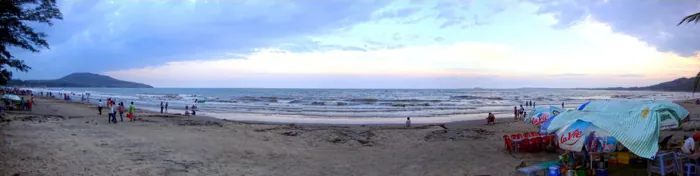

Hòn Rơm: choosing a practical beach day
Ask your accommodation or driver for the precise entrance rather than accepting only the name Hòn Rơm. Establish whether you will arrive through a public path or a business, where the vehicle can wait and whether any charge applies to the particular services you want. A photograph labelled with the area’s name may show a different stretch from the one you will reach. Save the meeting location before leaving the vehicle.
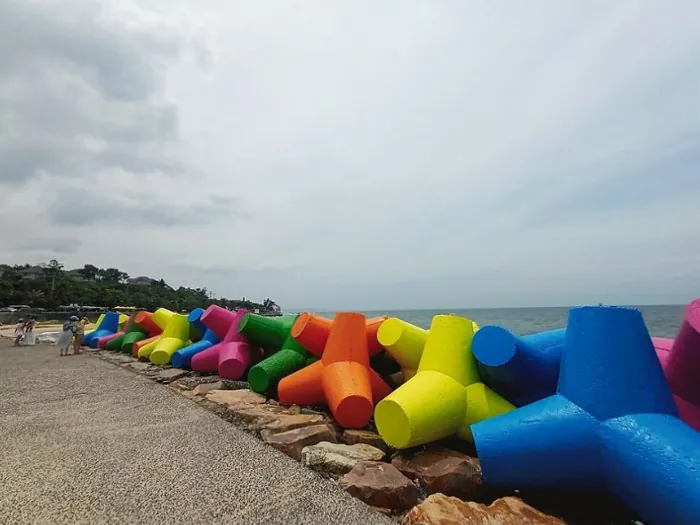

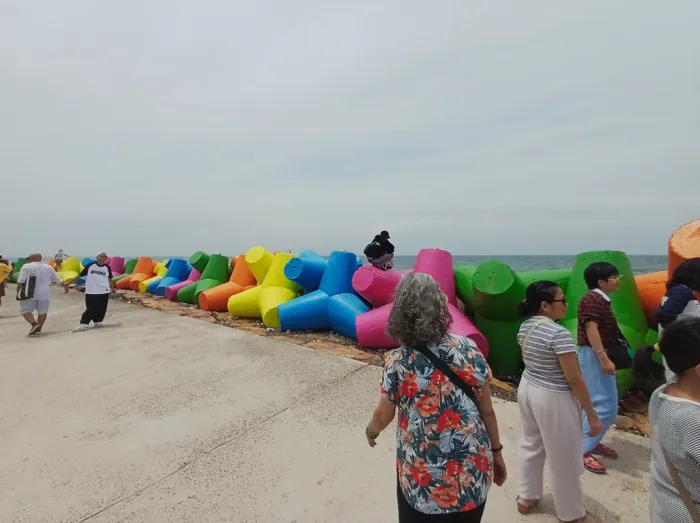

Ông Địa rocks: a short coastal stop near Mũi Né
Confirm the current public approach with your accommodation or driver and distinguish it from access through neighbouring businesses. Ask where you can be dropped off without stopping in traffic, then identify the walking route before getting out. Older images of landscaping or coastal works may not describe the present arrangement. Do not treat an unfinished structure, blocked path or private entrance as an alternative simply because it leads towards the water.
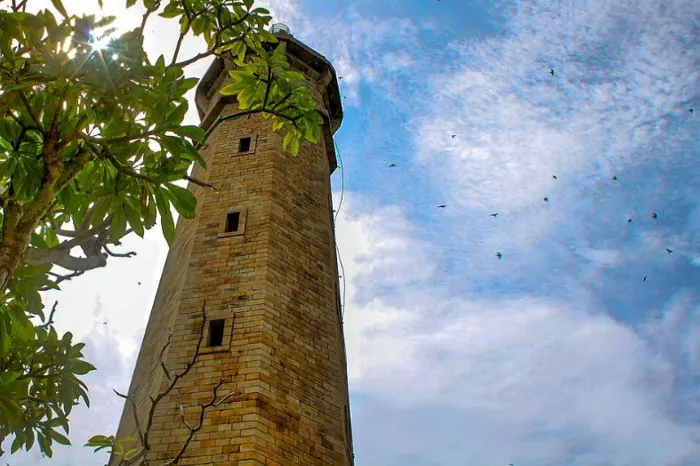

Kê Gà rocky coast: a shore visit without boarding for the island
A shore visit means observing the landscape from land, not buying a transfer or entering the lighthouse grounds. This distinction is useful for travellers who dislike boarding or want a shorter, more flexible outing. Tell your driver explicitly that you want a mainland viewpoint and agree what additional stops, if any, are included. A location pin labelled lighthouse can otherwise bring you to a boat departure point rather than the kind of shore access you expected.
Choose the experience that fits
| Choice | What to consider |
|---|---|
| Hòn Rơm: choosing a practical beach day | Hòn Rơm can fit an outing on the Mũi Né side of the coast, but adding too many dune and harbour stops can leave little time at the beach. Choose whether this is your main rest period or a brief look, and tell the driver accordingly. Agree the return time and whether the vehicle remains available. Take your rubbish with you and leave fishing gear, boats and working areas alone when walking along the shore. |
| Ông Địa rocks: a short coastal stop near Mũi Né | This is a natural brief stop to discuss when travelling along the resort coast, not a reason to force a separate day around uncertain weather. Agree how long the driver will wait and what happens if the approach is unsuitable. Pairing the view with a nearby meal can be more comfortable than adding repeated car journeys. Take nothing from the shore and leave no litter, even when you only stop long enough for a few photographs. |
| Kê Gà rocky coast: a shore visit without boarding for the island | Confirm where the driver can wait or return without blocking local access. Bring water and ask about toilets or seating before choosing a long pause, since facilities depend on the actual stop. A meal can be added at a clearly agreed venue, with menu and prices checked separately. If rough weather makes the shore uncomfortable, shorten the visit or use a sheltered alternative. Keeping the outing on land is a deliberate itinerary choice, not a failed lighthouse trip. |
Ask VietnamGuide AI
Ask VietnamGuide AISources
- 1. csdl.vietnamtourism.gov.vn/dest/
Source checked:
- 2. image.vietnam.travel/things-to-do/top-5-beaches-binh-thuan
Source checked:
Explore more
- From fishing shore to a Phan Thiet meal
Observe the harbour, then decode the order: ask about the type, quantity and preparation you actually buy.
- Hoang Su Phi: distant terraces or a closer walk?
Choose a viewpoint or permitted path; golden-field photographs establish neither harvest dates nor permission to enter fields.
- Dak Lak homes: read the community, do not guess from roofs
Use verified place and community names; a house photograph establishes neither residents’ identity nor an invitation inside.