Travel guide
From statue to grave: remembering Quang Trung and Kim Dong
Different memorial forms invite different questions; a statue cannot replace the historical account.
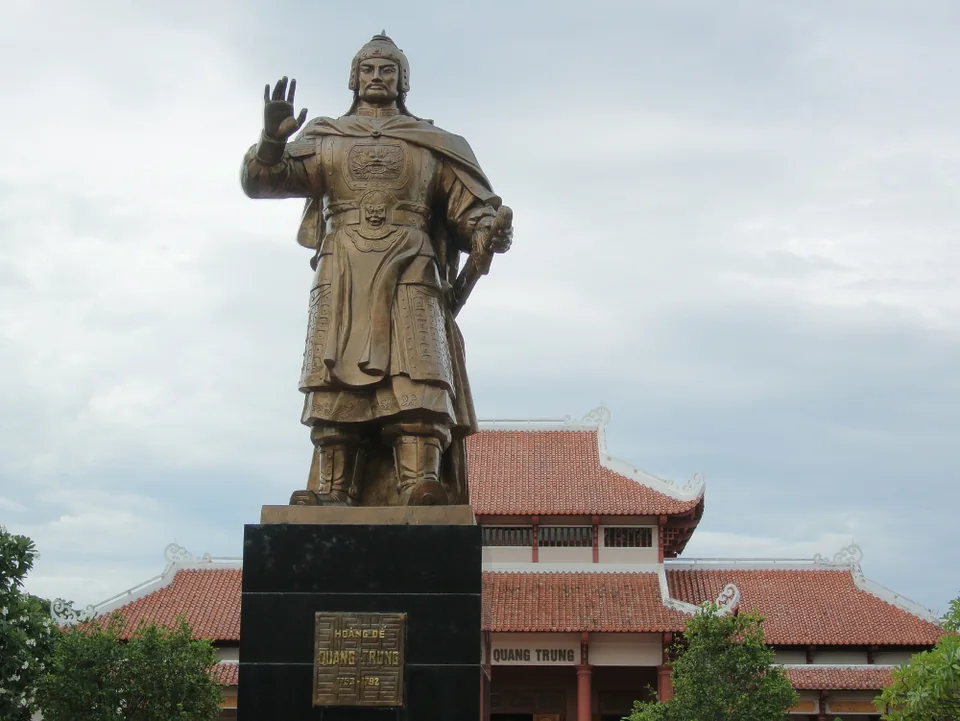

A perspective for your choice
A statue and a grave offer different focal points in a memorial setting. Comparing Quang Trung and Kim Dong is a way to examine interpretation, not equate their periods or historical roles.
Quang Trung Museum: a day with Tay Son history
A visit to Quang Trung Museum changes the direction of a Quy Nhon holiday, taking you inland to the Tây Sơn area and into a major chapter of Vietnamese history. This is a day excursion, not a museum beside the urban beach. The national tourism database places the museum at Kiên Mỹ, near the Kôn River, and describes a collection devoted to the Tây Sơn movement and Emperor Quang Trung–Nguyễn Huệ. Begin with that clear focus and the grounds become easier to read as a connected cultural setting.
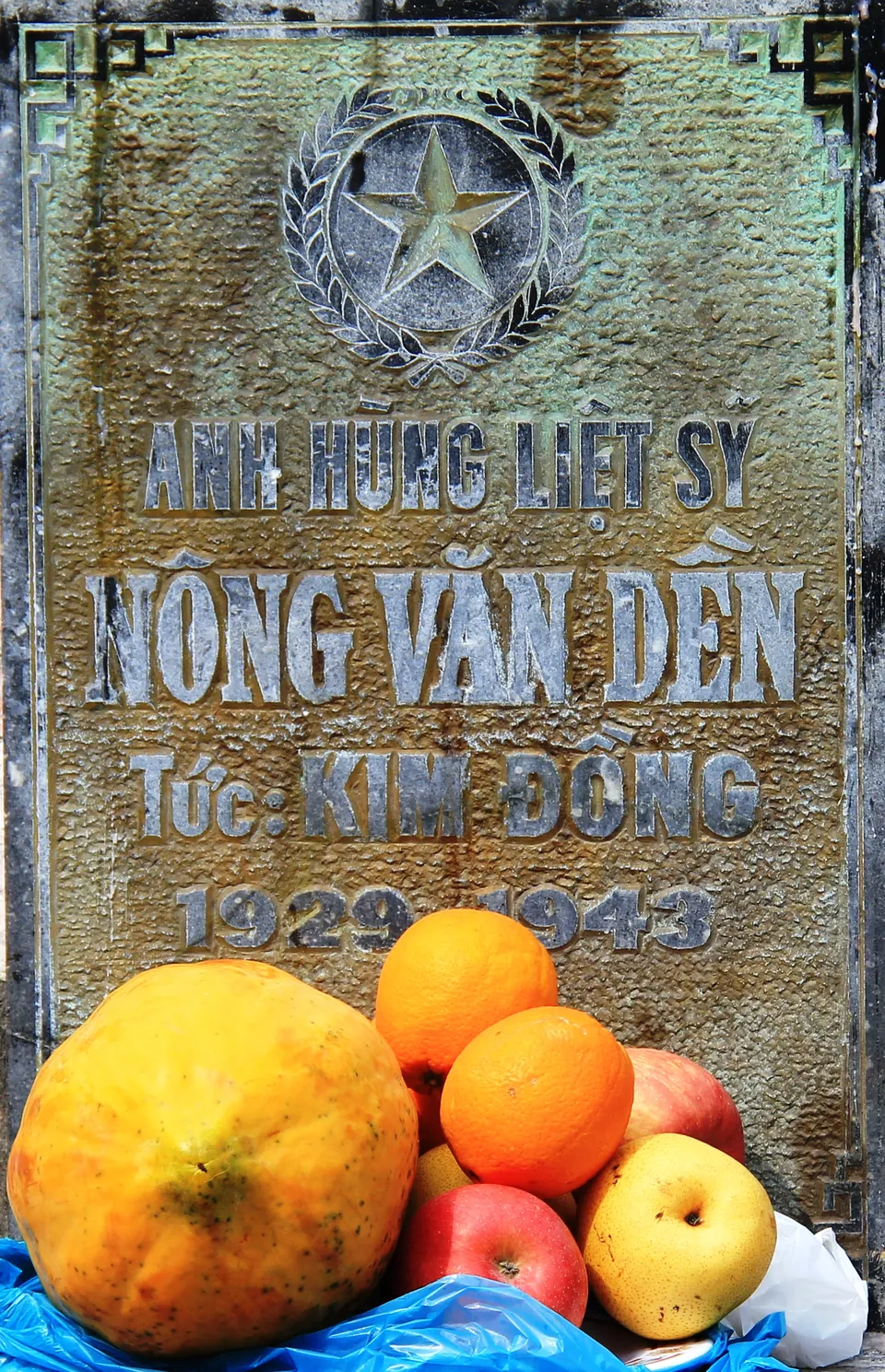

Kim Dong memorial: youth history in Na Ma
The Kim Dong memorial in Na Ma approaches revolutionary history through the experience of a young messenger. It deserves its own reading and remembrance time even if Pac Bo is also on your route. The village setting connects a name familiar from Vietnamese schoolbooks with a specific lived landscape. Treat the visit as an opportunity to understand a person and a community, rather than as an additional photograph stop.
Choose the experience that fits
| Choice | What to consider |
|---|---|
| Quang Trung Museum: a day with Tay Son history | Arrange transport from Quy Nhon and back, with a realistic allowance for the drive, museum time and lunch. Ask about the areas open on your chosen day and whether interpretation or a guide is available in a language you understand. Walk the grounds at a pace suited to your group, take breaks and dress respectfully for the memorial areas. A nearby architectural stop can be considered if time permits, but leave enough room for the museum’s narrative instead of reducing it to a quick pause between attractions. |
| Kim Dong memorial: youth history in Na Ma | Confirm the meeting point, transport and interpretation arrangements in advance. School groups and commemorations can change the visitor rhythm, so allow flexibility instead of scheduling a tight onward connection. Follow the indicated paths, ask before photographing residents and do not enter private homes merely because they stand near the memorial. End by recalling something learned about the person and place, rather than counting attractions completed. |
| Try this | Separate what you can see from what an interpretation panel tells you. Check missing biographical facts rather than turn a sculpted pose into an event. |
Ask VietnamGuide AI
Ask VietnamGuide AISources
Explore more
- Take a question from sculpture to tower: Da Nang and Canh Tien
A museum detail can deepen a later architectural visit.
- Without swimming: an Eo Gio or Ghenh Rang coastal pause
Choose a coastal stop for resting and observing rather than for photographic lines when swimming is not the plan.
- Sa Dec and Da Lat: follow a colour to see the grower
Beyond a beautiful bed lie tending, arranging and getting plants to buyers.