Travel guide
Tay Ninh between shared architecture and open lakeside space
The Holy See introduces a living religious setting; Dau Tieng offers a carefully chosen landscape pause. Two complementary experiences can shape a rewarding visit without adding a crowded checklist.
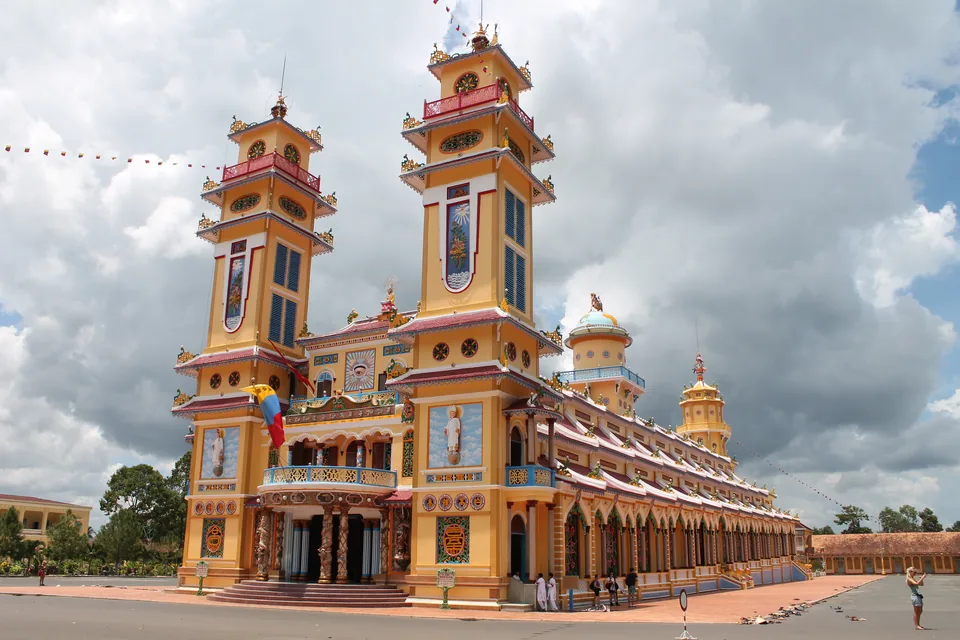

Visiting the Cao Dai Holy See: architecture and respectful access
The building’s towers, colour and symbolic details reward an unhurried visit. Read available explanations or ask an authorised guide instead of guessing that every decorative feature represents the same tradition. The official provincial account dates construction from 1933 to completion in 1955; avoid combining this with unsupported claims about other buildings in the complex.
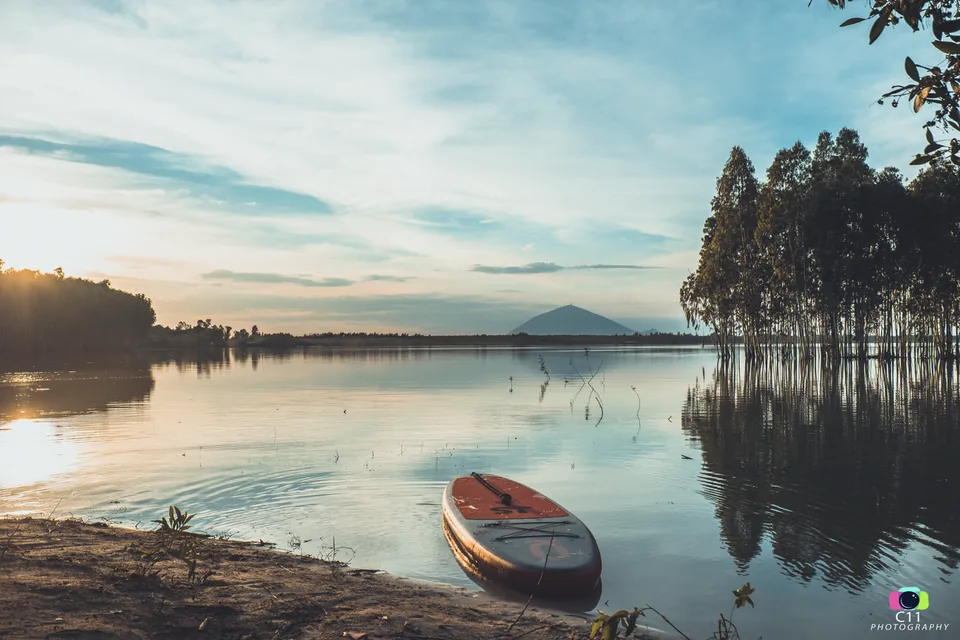

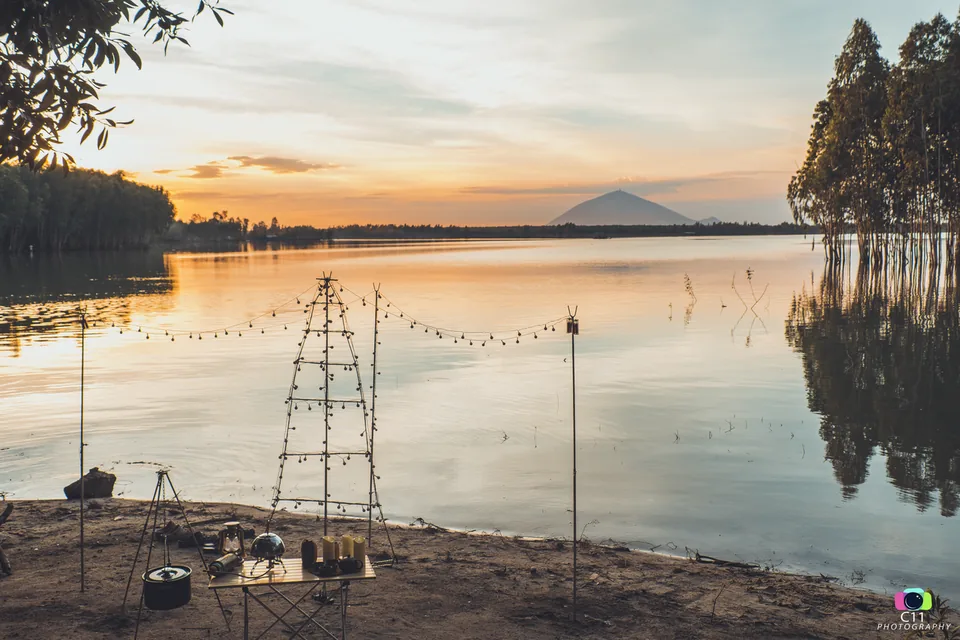

Dau Tieng Reservoir: choose a responsible shore visit
Decide whether you want a short scenic stop, a picnic at an established venue or a properly operated boat trip. These are different arrangements: a scenic photograph does not establish parking, toilets or permission to stay overnight. Ask the venue for its exact entrance and access conditions, then share that location with your driver. Do not assume that every place labelled Dau Tieng has the same approach road or visitor services. A simple shore visit is often more realistic than combining the lake with a full mountain day.
Choose the experience that fits
| Choice | What to consider |
|---|---|
| Visiting the Cao Dai Holy See: architecture and respectful access | Keep the visit flexible if access is temporarily restricted: the permitted exterior may still provide an architectural introduction. A child or tired companion can rest outside with another adult rather than interrupt the service. Combine the Holy See with nearby plans only after checking the actual transfer, and keep it distinct from Buddhist sites such as Go Ken pagoda. |
| Dau Tieng Reservoir: choose a responsible shore visit | Confirm whether food, seating, waste collection, fires or camping are permitted at your chosen venue. Carry drinking water, sun protection and bags for your rubbish; leave no food scraps or plastic beside the water. Treat a sunset visit as weather-dependent, with transport arranged before it gets dark. If rain or strong wind develops, switch to a meal or rest stop in an established settlement. Do not turn a cancelled lakeside activity into an improvised swim, forest detour or unverified overnight campsite. |
Ask VietnamGuide AI
Ask VietnamGuide AISources
Explore more
- Hoi An through ceramics: sea trade and a courtyard dragon
A vessel opens a story of maritime trade; a ceramic dragon draws you into a communal courtyard. Pair these perspectives with the present-day market.
- Hue at three scales: royal home, ancestors and the cosmos
Dien Tho brings royal domestic life closer, The Mieu frames dynastic memory, and Nam Giao opens onto rites of Heaven and Earth. Let function guide your visit.
- Rice in three forms: sheets, strands and a crisp base
Follow rice batter into noodle sheets, compare soup and dry servings, then discover grilled rice paper. This Can Tho–Saigon food theme spans two places, not one walking route.