Travel guide
Two ways to read historic villas: White Palace and Palace III
White Palace pairs architecture and displays on Vung Tau’s coast; Palace III opens onto royal domestic life in Da Lat. Compare how rooms work, keeping each place’s history distinct.

White Palace, Vung Tau: architecture, history and a practical visit
The museum authority describes late-nineteenth-century European-style architecture and collections displayed at the site. Start by noticing the building’s position and layout, then use the exhibit labels to understand the objects rather than inventing stories from their appearance. A modest number of displays read carefully can be more rewarding than a rushed photo circuit. Check the rules before photographing exhibits, especially where flash or access is restricted.
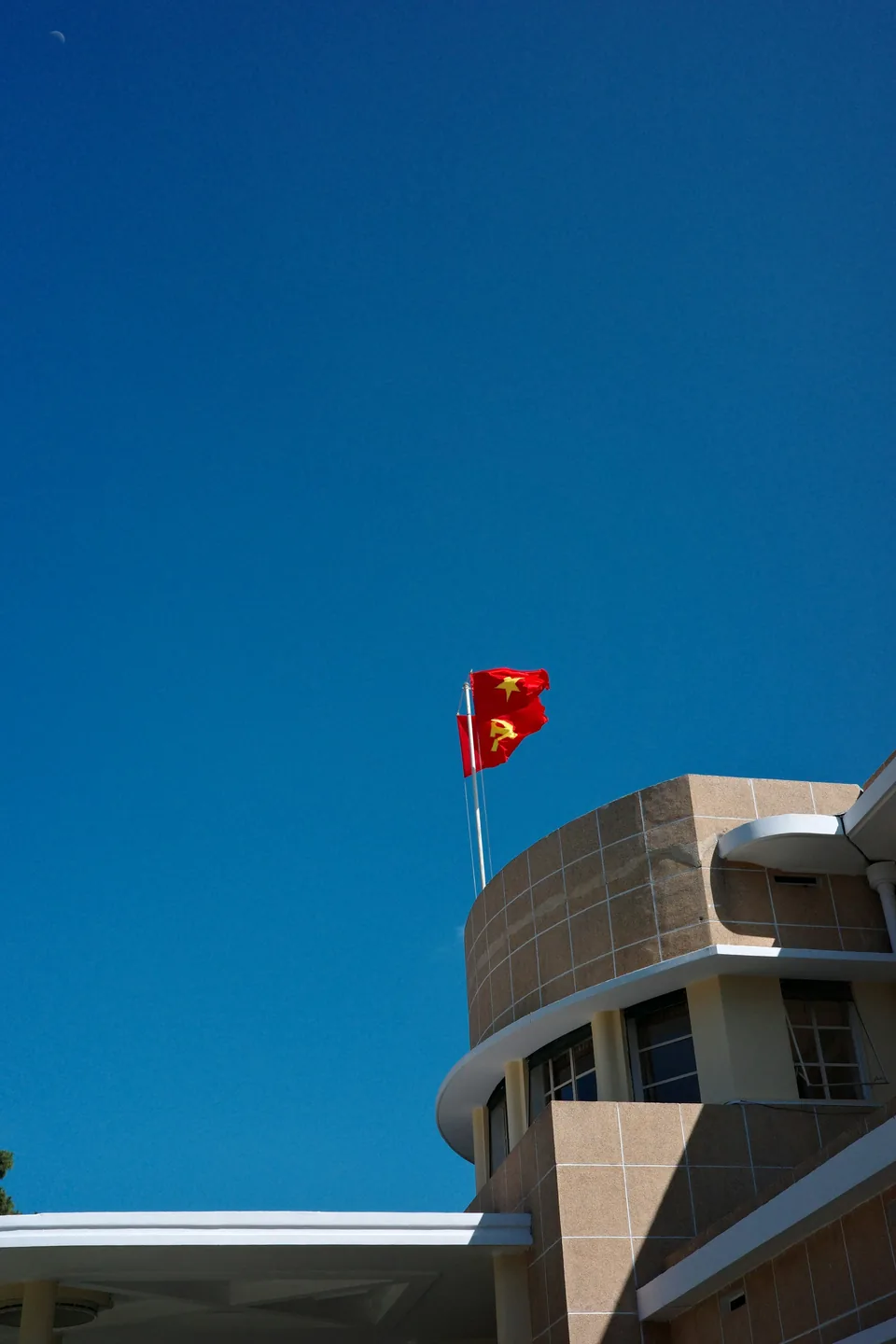
Bao Dai Palace III: interiors and Da Lat history
Begin by observing the exterior proportions and how the residence relates to its garden. Compared with a ceremonial palace imagined from an imperial capital, a highland residence raises different questions: how do rooms connect, how is daylight admitted, and where does the garden become part of daily life? Use these questions as an observation exercise rather than treating every visible detail as proof of a particular historical event. Avoid mixing the identities and histories of Palaces I, II and III.
Choose the experience that fits
| Choice | What to consider |
|---|---|
| White Palace, Vung Tau: architecture, history and a practical visit | Check the actual entrance, steps, available rests and current access arrangements if anyone has mobility limitations. A historic hillside building should not be described as wheelchair-accessible without confirmation. Rain may make approaches less comfortable even when displays are sheltered. Keep bags manageable, respect closed rooms and give the visit enough flexibility to shorten the outdoor part without losing the main cultural purpose. |
| Bao Dai Palace III: interiors and Da Lat history | Palace III suits a focused architecture and history outing; it does not need to become a tour of every palace. Check current admission arrangements, interior access and photography rules directly. For older companions or wheelchair users, ask specifically about stairs, the route between garden and building, and any accessible alternative. An attractive exterior does not establish that every floor is accessible. Leave time for a seated break, and choose another nearby town stop only after allowing for the actual visit. |
Ask VietnamGuide AI
Ask VietnamGuide AISources
- 1. baotangbrvt.org.vn/hoc-sinh-truong-mam-non-anh-duong-tham-quan-di-tich-bach-dinh/
Source checked:
- 2. www.baotangbrvt.org.vn/ve-le-phi/
Source checked:
- 3. baotangbrvt.org.vn/gio-mo-cua/
Source checked:
- 4. vietnam.travel/things-to-do/highland-escape-coffee-waterfalls-cool-breezes-da-lat
Source checked:
Explore more
- Hoi An through ceramics: sea trade and a courtyard dragon
A vessel opens a story of maritime trade; a ceramic dragon draws you into a communal courtyard. Pair these perspectives with the present-day market.
- Hue at three scales: royal home, ancestors and the cosmos
Dien Tho brings royal domestic life closer, The Mieu frames dynastic memory, and Nam Giao opens onto rites of Heaven and Earth. Let function guide your visit.
- Rice in three forms: sheets, strands and a crisp base
Follow rice batter into noodle sheets, compare soup and dry servings, then discover grilled rice paper. This Can Tho–Saigon food theme spans two places, not one walking route.