Travel guide
Swimming safely in Vũng Tàu: warnings, lifeguards and currents
There is no permanently safe swimming beach. In Vũng Tàu, decide whether to enter the water from current warnings, permitted bathing areas and lifeguard advice—not from a calm photograph, a previous visit or the fact that other people are already swimming.
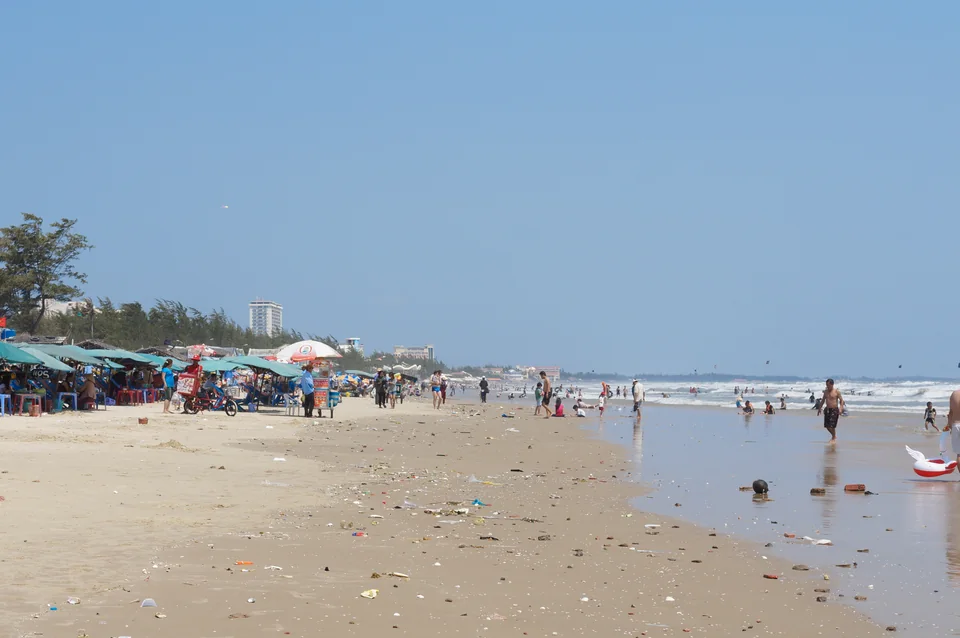
Sand and shoreline at Back Beach in Vũng Tàu — Illustrative Vung Tau context photo; not a verified image of the specific site, dish, room, transport or service discussed. ·
Bãi sau, Vũng Tàu, 02 2014.JPG — Prenn / Wikimedia Commons / CC BY-SA 3.0. Resized and converted to WebP. · CC BY-SA 3.0 · Resized and converted to WebP

Check before entering the water
HCMC traffic-police advice dated 12 August 2026 recommends permitted bathing areas with rescue supervision and avoiding warning zones, deep water, whirlpools and rough seas. Look for local notices and ask the lifeguard about the zone in use that day. Flags or barriers may mark a hazard; do not cross them or assume that the same section is suitable throughout the day. Holiday rescue arrangements are not evidence of staffing around the clock.
Supervise the person, not the photograph
Adults should actively supervise children near the water. Agree who is watching before anyone goes in, and remain attentive even in shallow-looking areas. A float, a companion or nearby crowds does not replace that supervision. Do not enter stormy water or approach waves on rocks. If conditions feel uncertain, stay on shore and ask the local rescue team rather than treating an online guide as permission.
Make a dry plan equally worthwhile
Keep a promenade walk, a meal or a rest at the accommodation available as a complete alternative. Follow current weather and local instructions, and abandon sea activities during thunderstorms, strong wind or heavy waves. If someone is in difficulty, alert lifeguards or local emergency services and follow their directions; do not create a second emergency by improvising a rescue. This is trip-planning guidance, not a substitute for on-site assessment or specialist rescue training.
Ask VietnamGuide AI
Ask VietnamGuide AISources
Explore more
- Vũng Tàu with young children: beaches, rooms and a gentler day
Plan a Vũng Tàu family break around rest, manageable beach access, verified room arrangements and changing sea conditions.
- Bãi Sau after redevelopment: promenade, beach access and a useful visit
Explore the Thùy Vân waterfront at Bãi Sau, distinguish the park from bathing areas and plan access, rest and a meeting point.
- Hòn Bà Temple: plan around access, not a guessed tide window
Understand the limits of visiting Hòn Bà: verify permitted access, avoid wading and keep a mainland viewing option when conditions are unsuitable.